
🤖 Companionship Gets A Monthly Bill

Good Morning, Roboticists!
One robot sells companionship, another digs holes, and a third takes out the trash. We've recreated modern adulthood in metal.
Companionship Gets A Monthly Bill
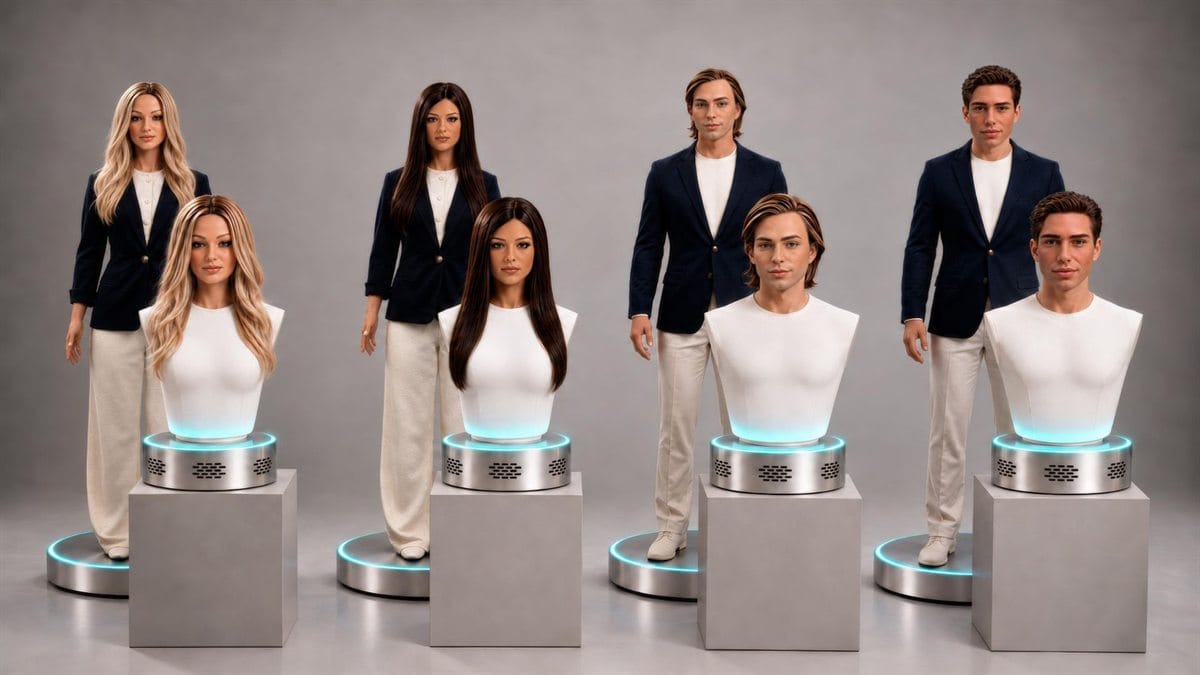
TL;DR: Realbotix has opened reservations for Echo, a companion robot offered as an $11,950 tabletop model or $59,950 full-body configuration. Its first production run is limited to 250 units, with delivery planned for the second half of 2027. A $199 deposit secures a place, while operating the robot requires a separate subscription starting at $19.99 per month. Read more →
Digit Gets Two More Warehouses
TL;DR: GXO is taking Digit beyond its original Georgia warehouse, adding sites in Statesville, North Carolina, and Lebanon, Tennessee. The expansion is expected to begin in early 2027 with Digit 4, followed by Digit 5 when available. The new commitment concerns additional locations; the companies have not disclosed robot counts, contract value or measured savings for those sites. Read more →
Excavators Dig Up $600 Million
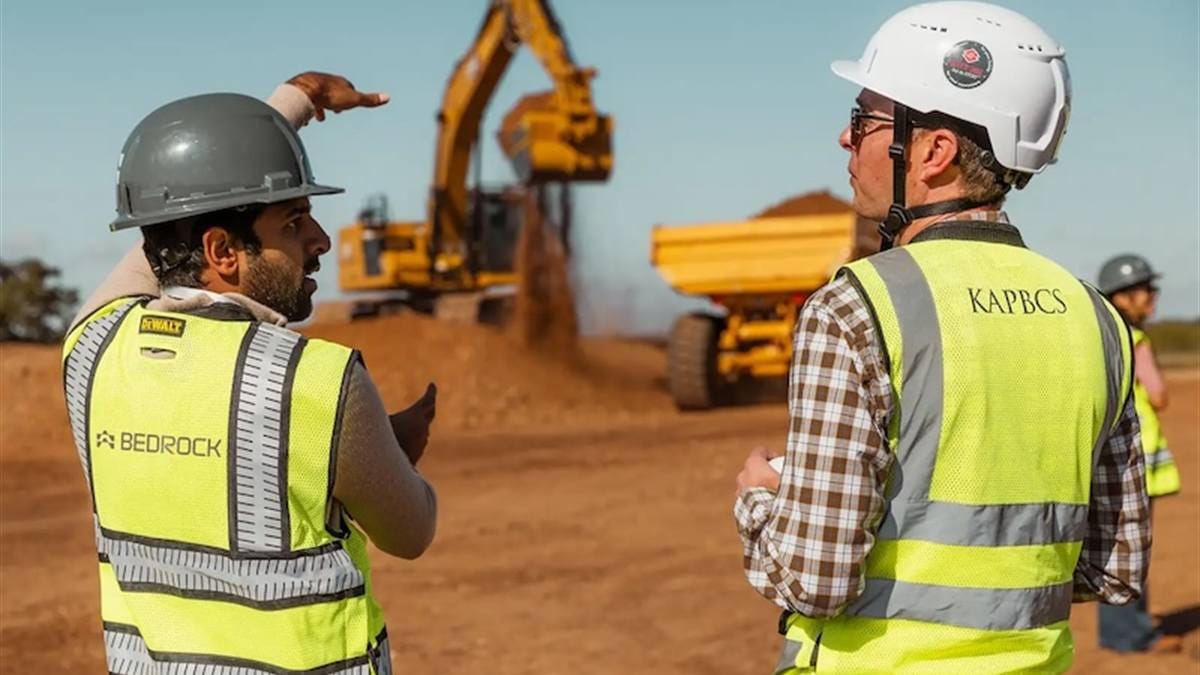
TL;DR: Bedrock Robotics raised $600 million at a $4.1 billion valuation to expand autonomous construction equipment across American job sites. CapitalG and Emergence Capital led the round, bringing total funding close to $1 billion. The company says its excavators already perform paid work, and a new Haydon deployment in Texas connects the financing to further commercial earthmoving operations. Read more →
Humanoids Learn How Hard To Push
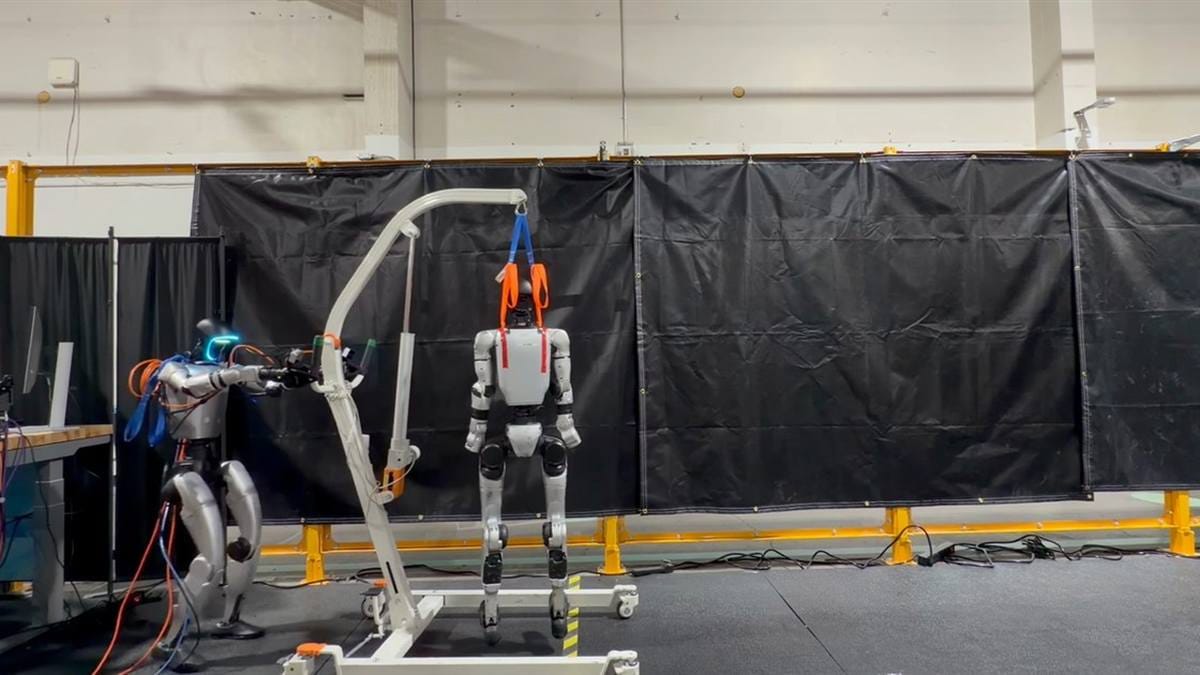
TL;DR: FLoRe teaches humanoids to control contact force while moving their whole bodies. Researchers record human demonstrations with force-sensing handheld grippers and wearable trackers, then train a policy that commands both movement and hand forces. Across three physical tasks, including wiping a board and pushing a gantry, it achieved 80 percent success against 26.7 percent for a position-only policy. Read more →
This Hand Rearranges Its Fingers
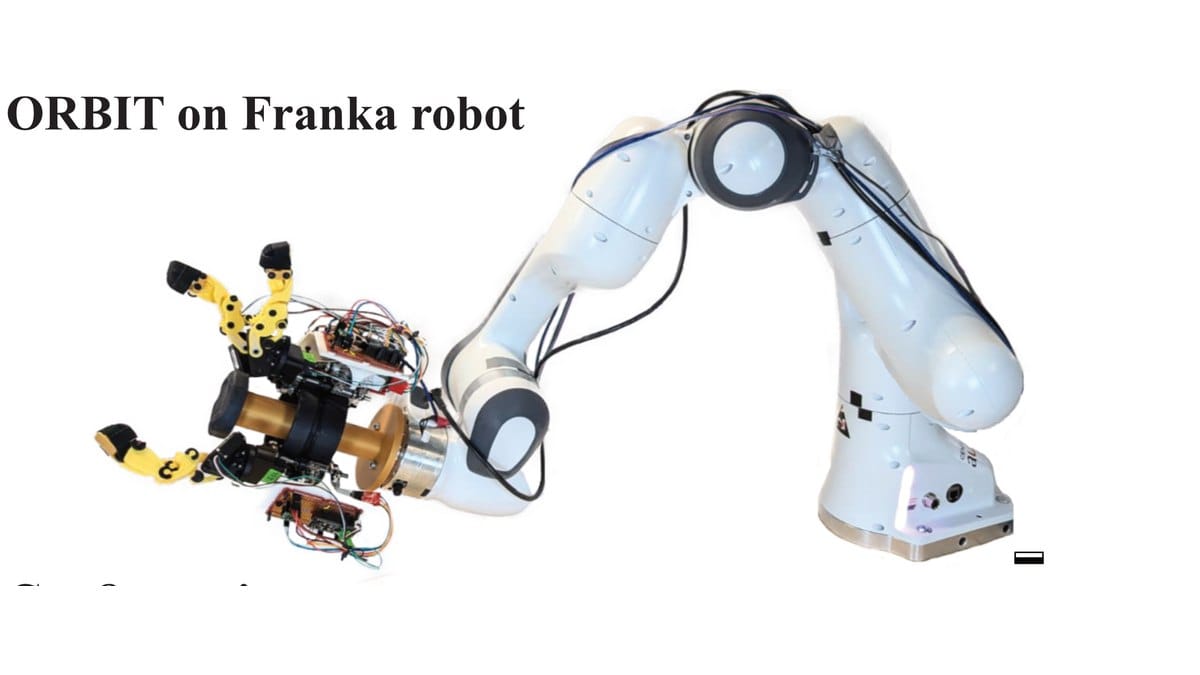
TL;DR: ORBIT changes a robot hand’s finger layout without taking the hand apart. University of Texas at Austin researchers built rotating knuckles that move independent fingers around a cylindrical palm in under a second. A three-finger prototype compared grasping layouts across eleven objects and demonstrated cube reorientation, lid threading and tiny-object pinching, opening a practical way to test alternative hand designs. Read more →
Big Wheels Learn The Stairs
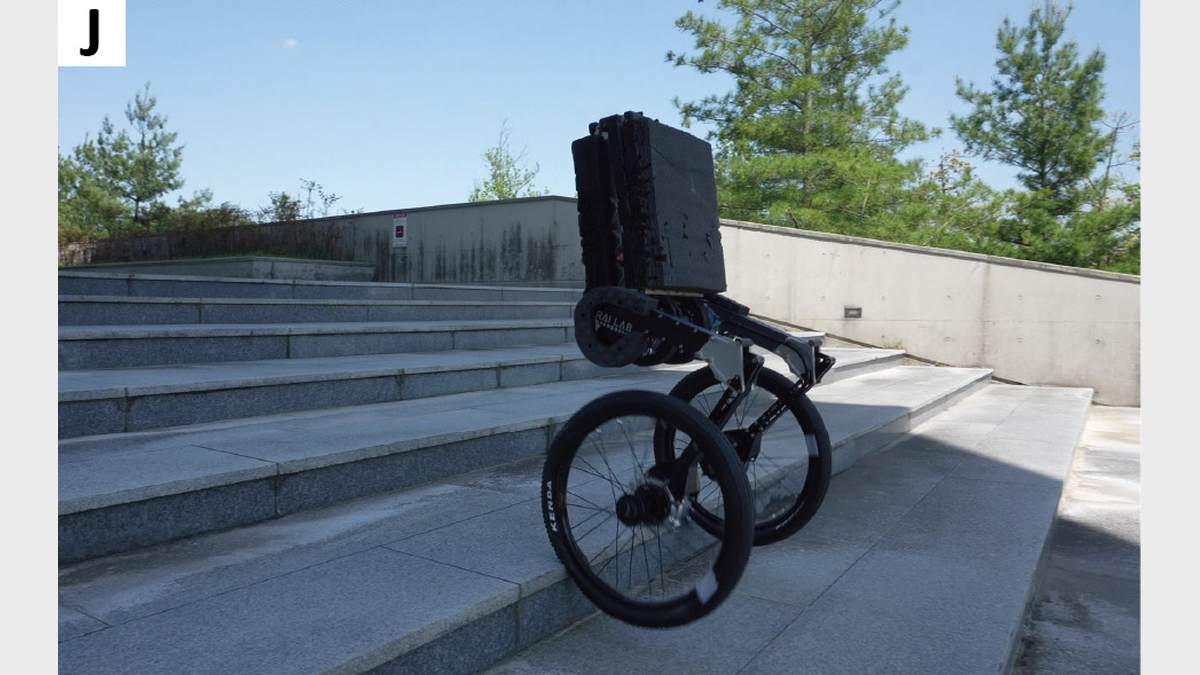
TL;DR: KAIST’s RAIWAY combines two articulated legs with 20-inch wheels to cross rough ground without directly sensing wheel contact. Its controller learns contact patterns in simulation, then infers them from the robot’s own motion signals. Physical trials covered gravel, rocks, slopes and outdoor staircases with steps up to 15 centimeters, showing wheeled locomotion that adapts beyond smooth factory floors. Read more →
Robots Build The Digital Twins
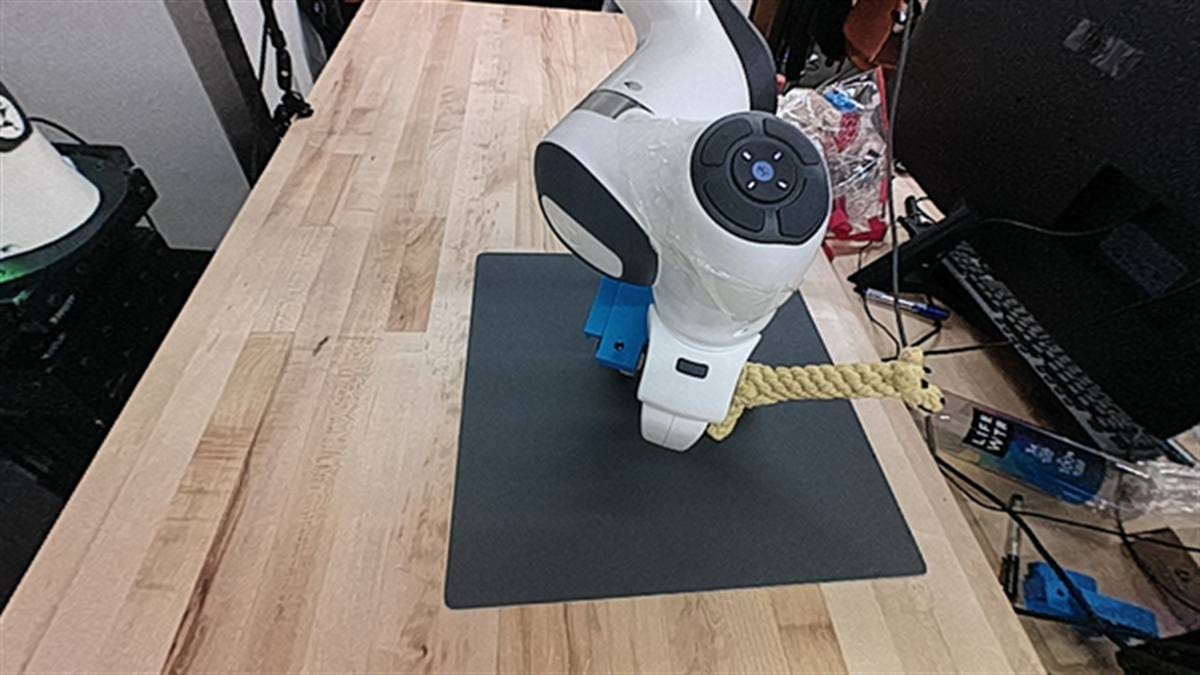
TL;DR: AuRA lets a robot manipulate soft objects to collect the interaction data needed for physics-informed digital twins. University of Maryland researchers combined autonomous grasp selection, robot-state measurements and object scans to reduce manual preparation. Across thirteen deformable objects, active human labor per reconstructed asset fell 88.5 percent, while total collection time dropped 55.4 percent compared with the evaluated human-collected baseline. Read more →
A Human Video Becomes Robot Work
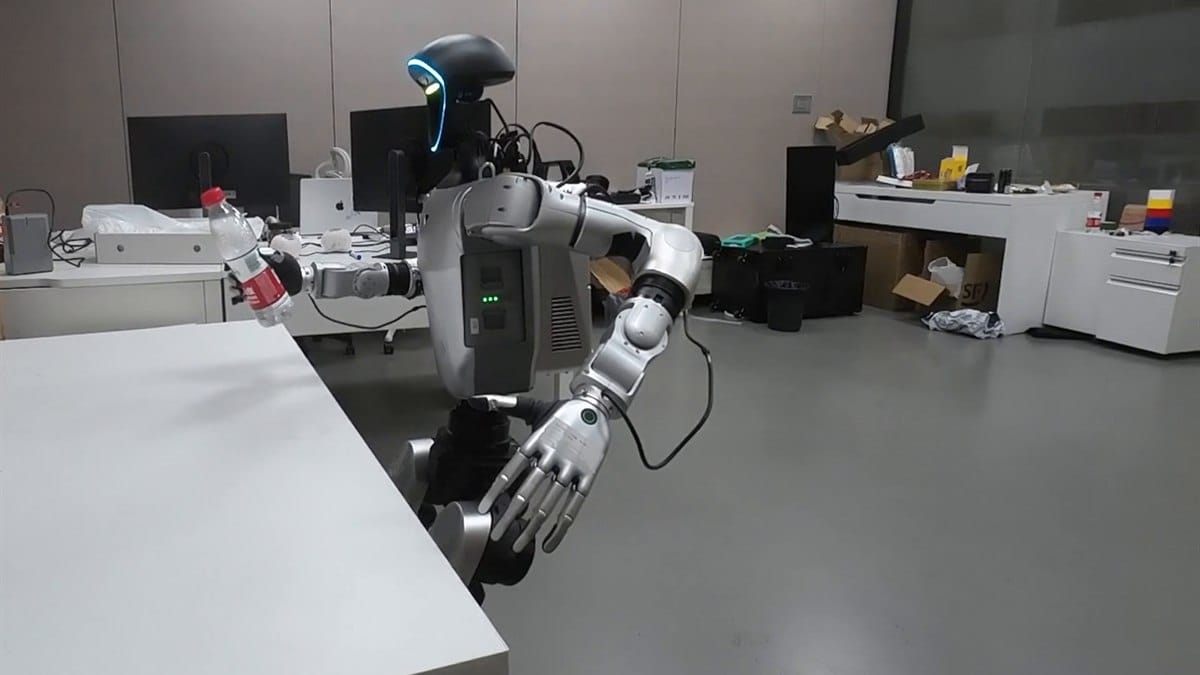
TL;DR: MOTIO turns ordinary human-action videos and reconstructed environments into executable humanoid skills. An agent writes staged interactions, tests them in physics and refines them using feedback and human approval. A Unitree G1 completed a continuous 101.75-second bottle-disposal sequence in a scanned office, while a separate distilled policy handled eighteen simulated tasks. Physical demonstrations and simulation results remain distinct evidence. Read more →
Robot Lessons Escape Action Labels
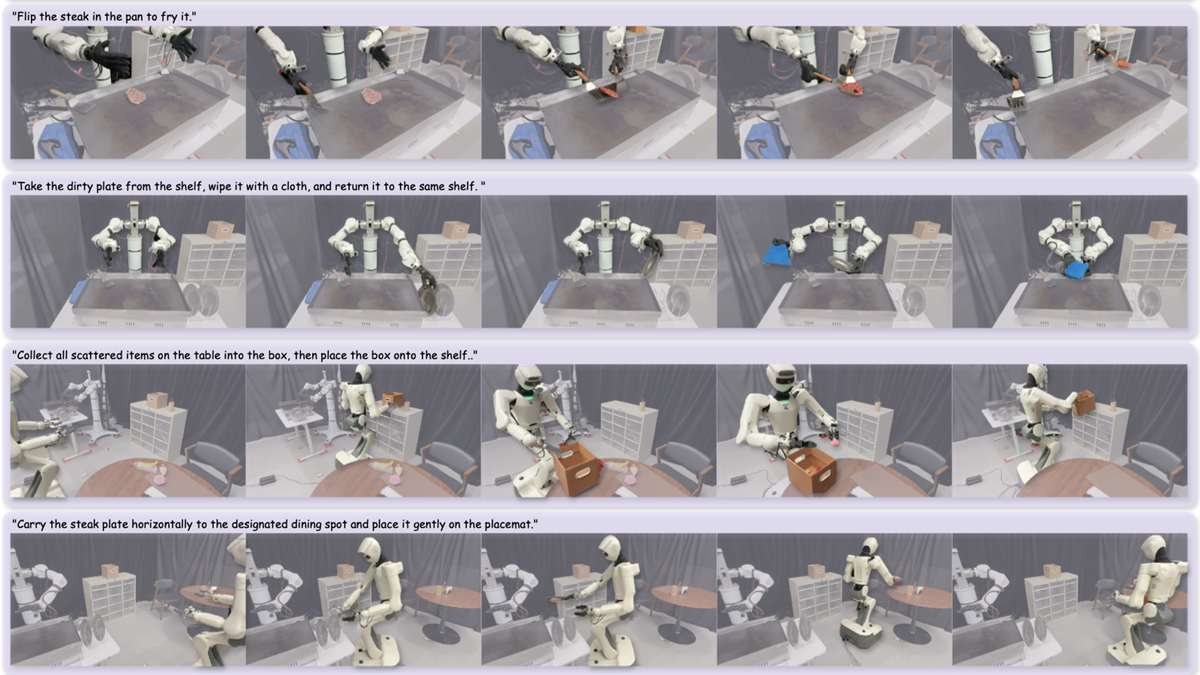
TL;DR: RynnVLA-Latent turns human, robot and simulated interaction videos into a shared representation of action, reducing dependence on robot-specific control labels during pretraining. The team used 30,100 hours of video before adapting its four-billion-parameter policy to particular machines. Tests included six physical manipulation tasks across dexterous-hand and mobile-gripper platforms, alongside simulation benchmarks that should not be confused with field reliability. Read more →
The Robot Tests Before It Trusts
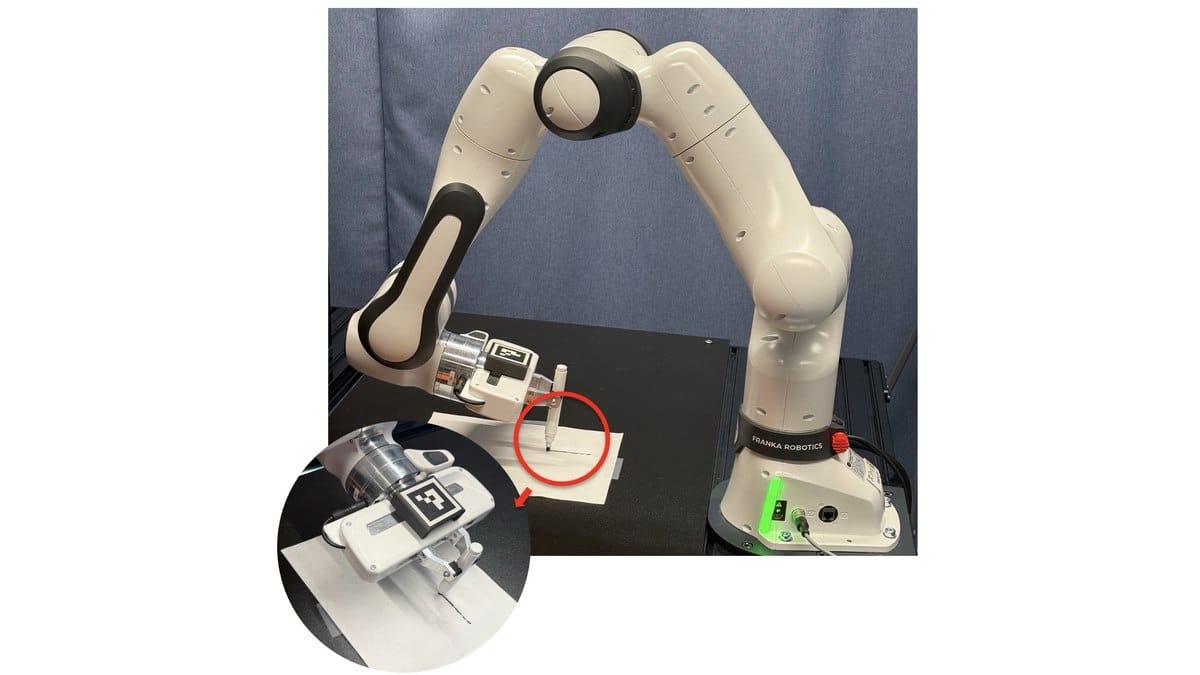
TL;DR: A University of Pennsylvania robot checks uncertain object properties through physical interaction before committing to the rest of a task. In real demonstrations, a Franka arm pushed objects to test whether they could move and tried pens to see which still wrote. The planner updated its state and repaired the remaining sequence, preserving useful actions instead of restarting everything. Read more →
TOGETHER WITH US
AI Secret Media Group is the world’s #1 AI & Tech Newsletter Group, reaching over 2 million leaders across the global innovation ecosystem, from OpenAI, Anthropic, Google, and Microsoft to top AI labs, VCs, and fast-growing startups.
We've helped promote over 500 Tech Brands. Will yours be the next?
Email our co-founder Mark directly at mark@aisecret.us if the button fails.