
🤖 Data Learns To Feel

Good Morning, Roboticists!
A model can hallucinate a sentence for free. A robot hallucinates a motion and hits the table.
Data Learns To Feel
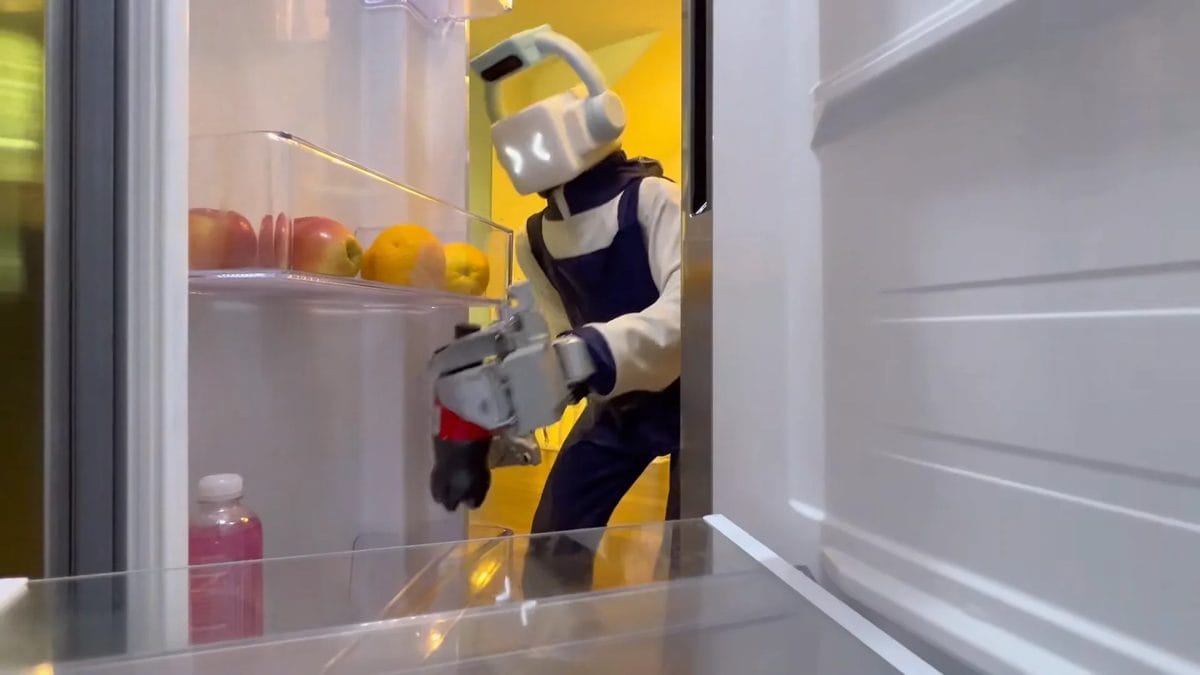
TL;DR: Reward AI emerged from stealth with OM-1, a robot foundation policy trained solely on direct human manipulation data. Its seven-degree-of-freedom Omnibody Hand records tactile, proximity, camera, and motion signals, then maps them across arms and humanoids without teleoperation. The company says unfamiliar long-horizon tasks can be learned from under 30 minutes of demonstrations in a single session. Read more →
The Ceiling Takes The Shift
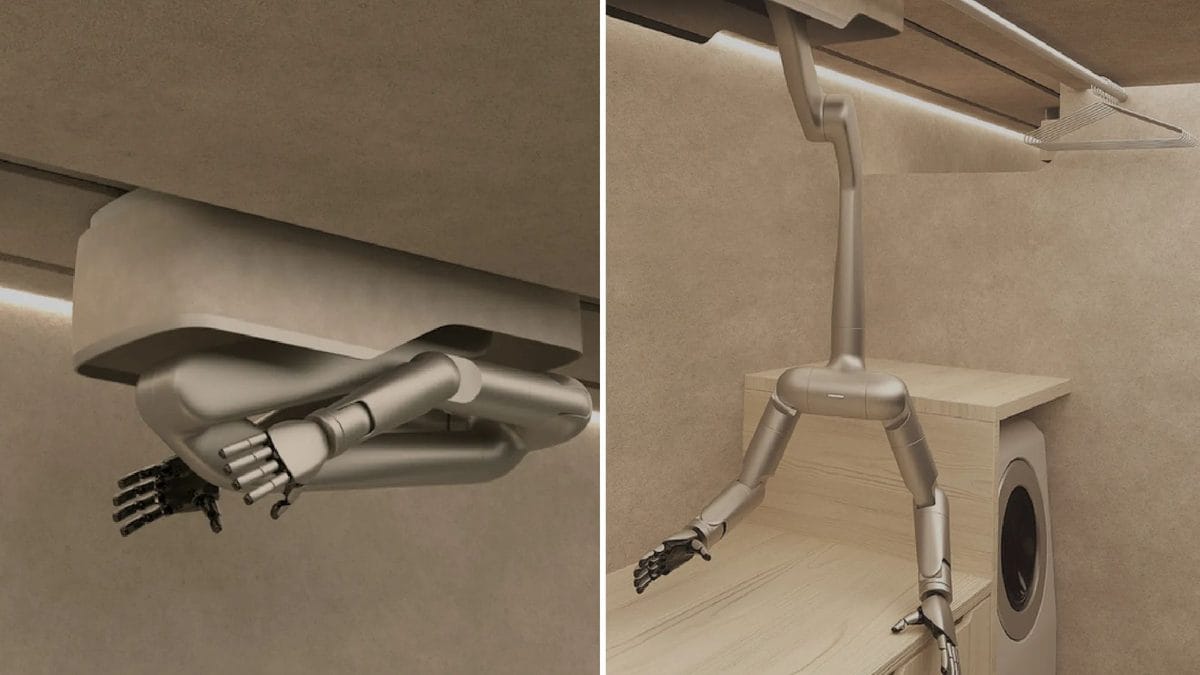
TL;DR: Tokyo startup MW unveiled a home concept built around ceiling-mounted robotic arms that travel on overhead rails to handle chores such as moving groceries, sorting pantry items, and folding laundry. Chief executive Shuzo Narita says the first homes and software are complete, sales have begun, and the company targets a Tokyo debut in 2028 with larger production ambitions. Read more →
A $15K Humanoid Grows Up
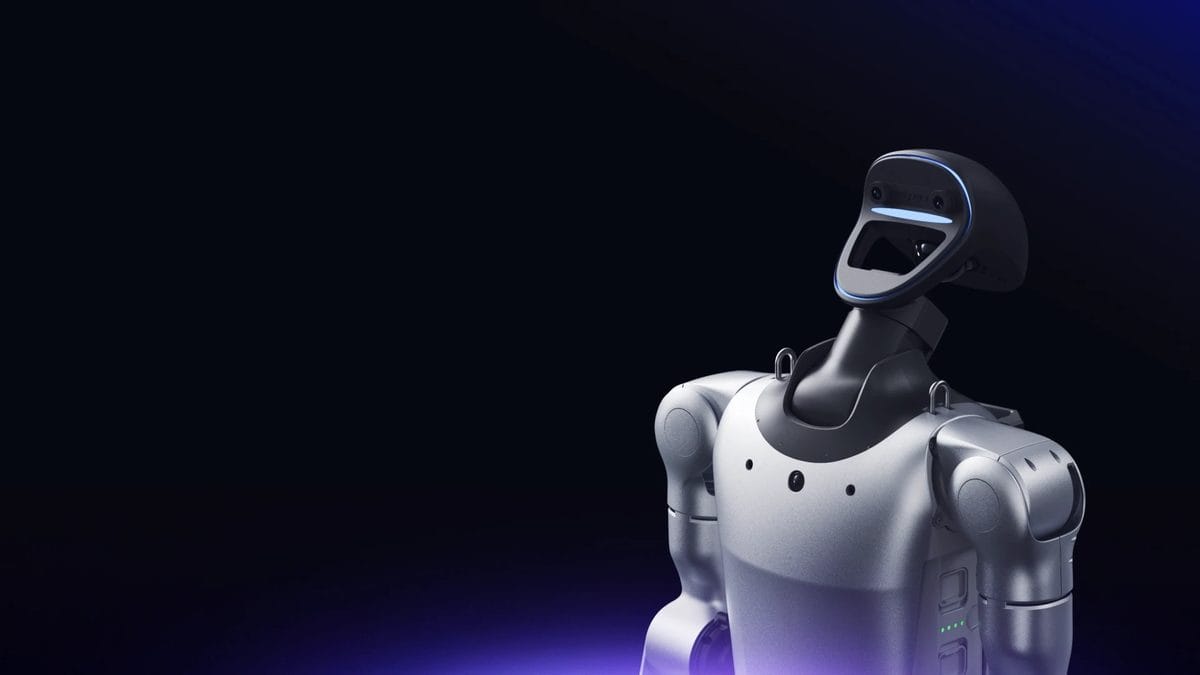
TL;DR: Unitree released the G1+, a $15,000 humanoid that adds two neck degrees of freedom and claims sharp gains in shoulder, waist, and arm torque. The 1.34-meter, 35-kilogram machine keeps 25 degrees of freedom, binocular vision, a chest camera, six microphones, and roughly two hours of runtime, turning the entry model into a more capable platform. Read more →
A Bare Frame Starts Walking
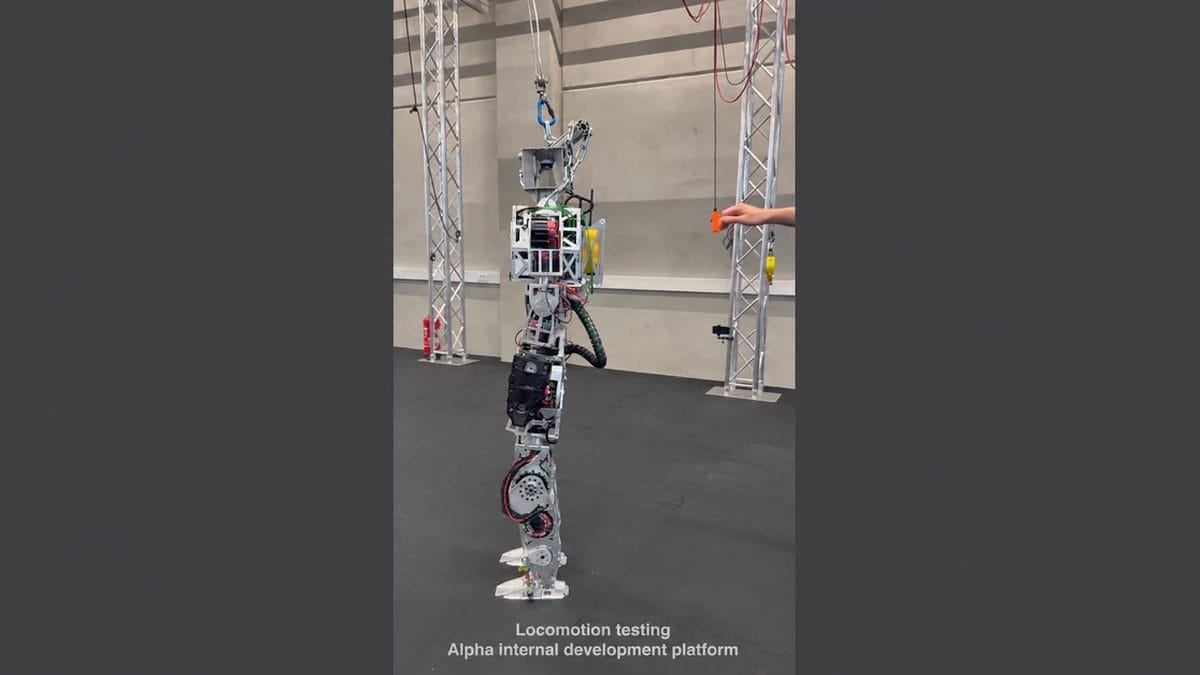
TL;DR: Munich's still-unnamed humanoid venture showed its exposed alpha platform, Kyle, walking publicly for the first time. Co-founder and CEO Nikolai Ensslen, previously a Synapticon co-founder, says the boxy machine is only a development mule, not the product. The team is aiming to reveal its first-generation humanoid in early 2027, with no specifications or delivery date yet. Read more →
A Robot Brain Looks Ahead
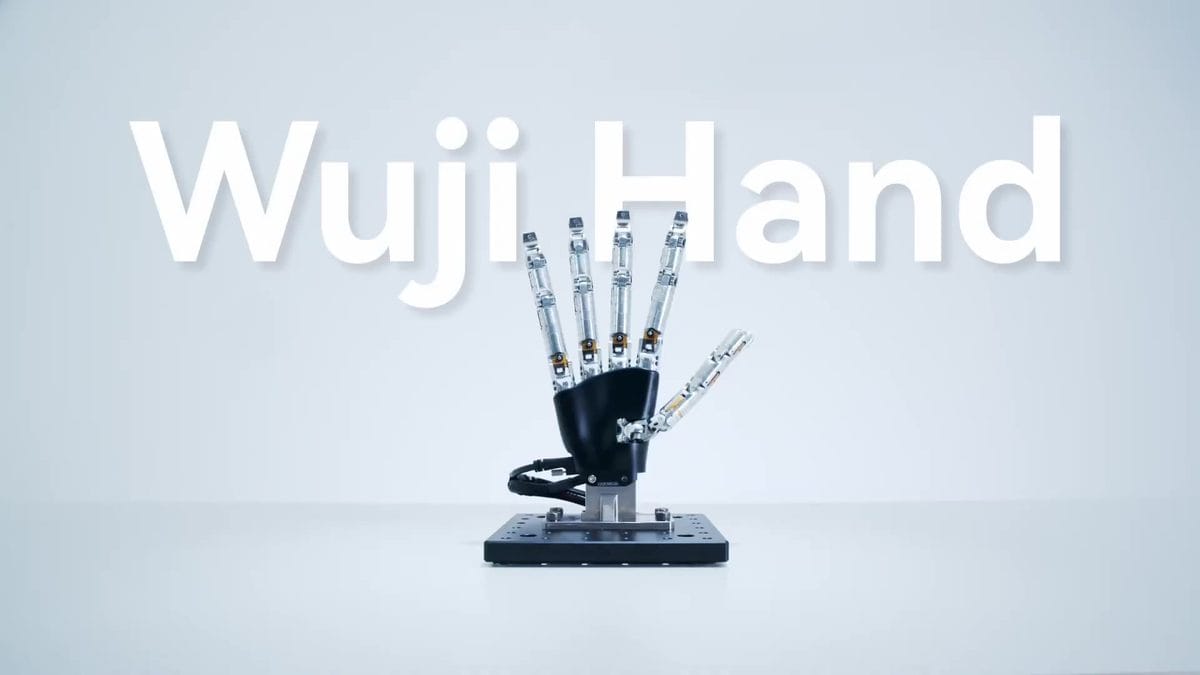
TL;DR: ShengShu Technology launched Motus2, a world model for dexterous manipulation that combines action generation, consequence prediction, and outcome evaluation in one video-action system. In tests across five real-robot tasks, it reported 84% average success; adding a tactile expert raised performance on two contact-rich tasks from 60% to 72.5%. The paper and demonstrations are public now. Read more →
Hydraulics Return With A Giant

TL;DR: Beijing-based NeodraDynamics introduced Neo1, a four-meter hydraulic-electric humanoid built for heavy industrial work. The company claims its dual arms can handle 500 kilograms while delivering 0.05-millimeter fingertip repeatability, using digital hydraulics alongside electric actuation. Neo1 is aimed at high-risk settings including mining, construction, deep-sea operations, and other work too hazardous for people to perform themselves. Read more →
Pharmacies Get A Cold-Chain Robot
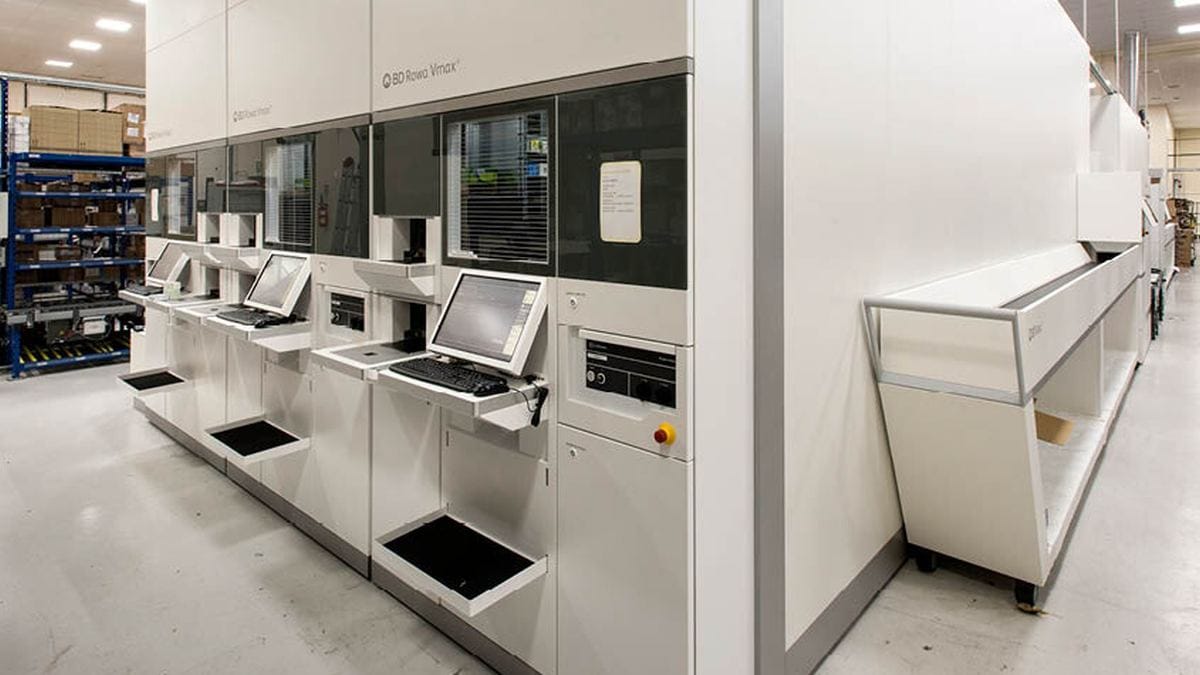
TL;DR: Fairview Health Services became the first US health system to deploy BD's Vmax 160 pharmacy robot, bringing high-speed unit-of-use automation to centralized outpatient fulfillment. The system handles boxed specialty medicines and refrigerated 2-8 C products, while automating replenishment, labeling, inventory visibility, expiration tracking, and recalls. Fairview fills about 20,000 prescriptions a week across 25 outpatient pharmacies and mail-order services. Read more →
Europe Gets The Robot Fleet
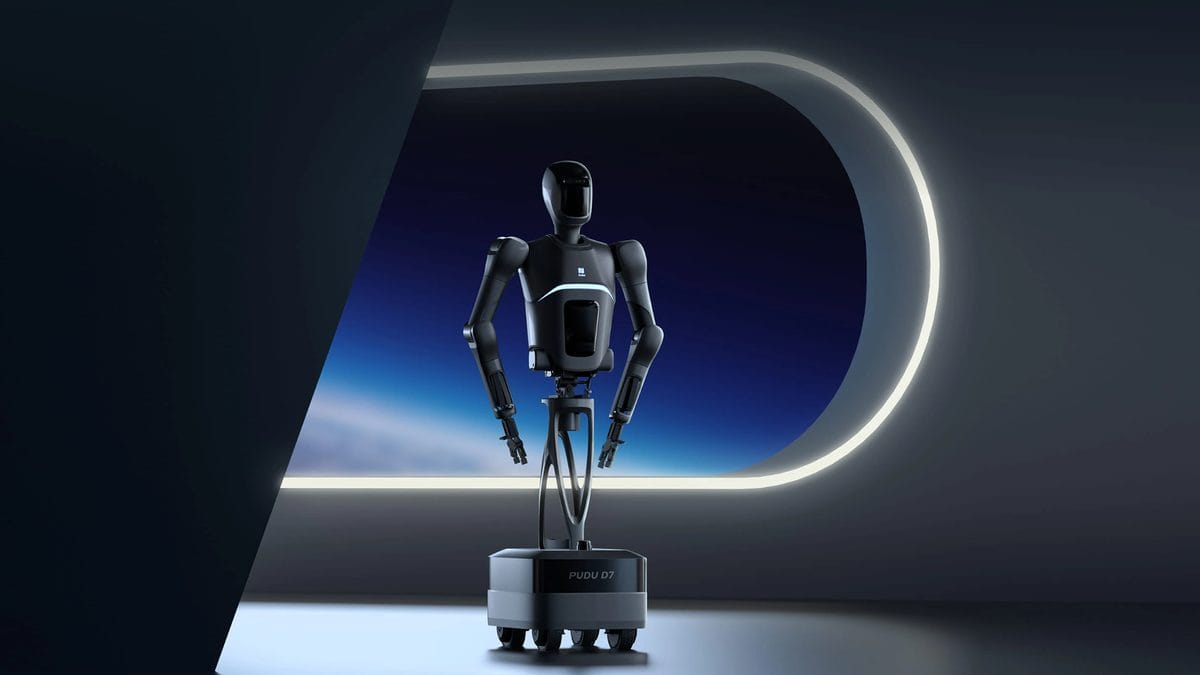
TL;DR: After IFA Berlin, Pudu Robotics announced a broader European push, including the D7's first regional appearance and plans for a German headquarters. Its fleet already works across more than 20 European countries: a Dutch hospital coordinates robots for cleaning, pathology samples, and materials, while Swiss retailer Denner has deployed 200 CC1 cleaning robots in stores nationwide. Read more →
Cobots Shed The Cable Clutter
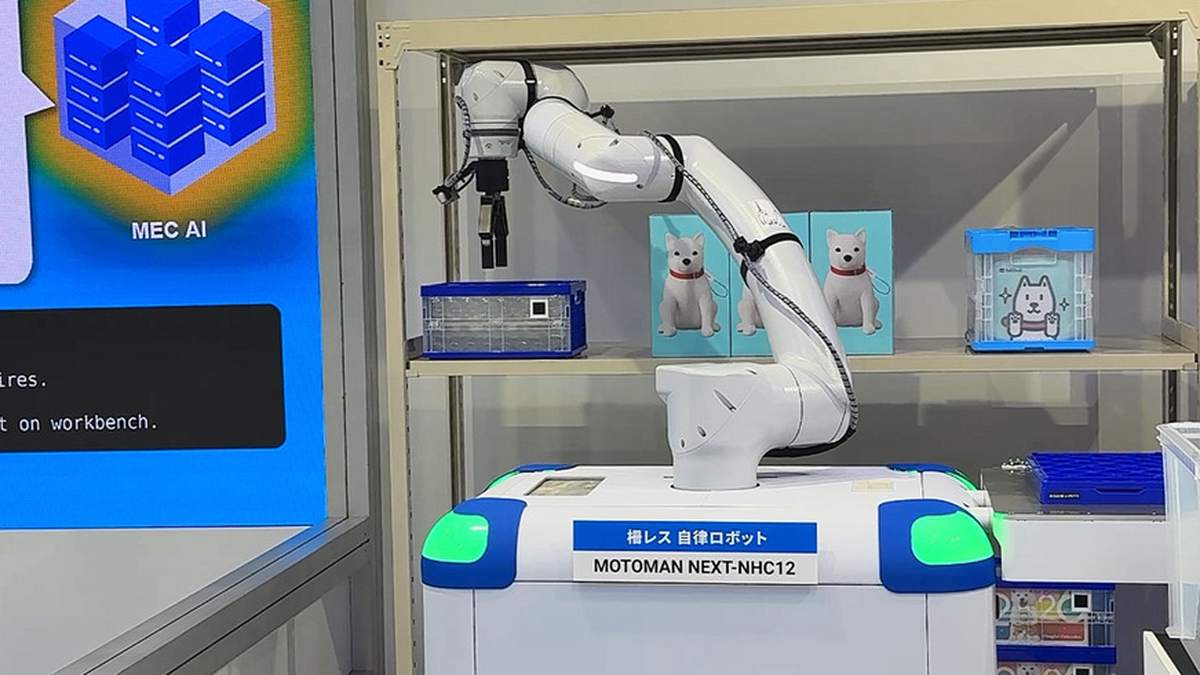
TL;DR: Yaskawa launched the MOTOMAN-HC12 collaborative robot, replacing its HC10DTP model with a 12-kilogram payload and 1,410-millimeter reach. New torque sensors improve collision detection and response, while a slimmer arm shrinks the base footprint from 275 to 170 millimeters. Built-in Ethernet routing at the wrist also reduces interference and simplifies end-effector integration in crowded factory cells. Read more →
Safety Stops Being A Detour

TL;DR: MIT researchers introduced HardFlow, a deployment-time method that lets generative models explore freely before enforcing nonnegotiable safety or physical constraints on the final answer. In robotics tests, it found collision-free manipulator paths that were also faster than baseline methods, without retraining the model. The work targets tasks where a nearly correct path can still put people at risk. Read more →
READ MORE
Let the Future Come to Your Inbox
Stay ahead without drowning in information. We turn the most important signals across AI, tech, marketing, and future products into 5-minute reads you can actually finish.
- AI Secret uncovers what really matters in AI
- Bay Area Letters decodes tech and business shifts from Silicon Valley
- Robotics Herald tracks how robots move from labs into daily life
- Marketing Secret breaks down real growth and go-to-market playbooks
- The Hardwire explores hardware, consumer tech, and what’s coming next
TOGETHER WITH US
AI Secret Media Group is the world’s #1 AI & Tech Newsletter Group, reaching over 2 million leaders across the global innovation ecosystem, from OpenAI, Anthropic, Google, and Microsoft to top AI labs, VCs, and fast-growing startups.
We've helped promote over 500 Tech Brands. Will yours be the next?
Email our co-founder Mark directly at mark@aisecret.us if the button fails.