🤖 Humanoid Replaces Lifting

Good Morning, Roboticists!
The future of AI isn’t just reasoning better, but showing up in places where gravity, fatigue, and physics still decide what actually gets done.
MANUFACTURE
The First Humanoid That Replaces Lifting
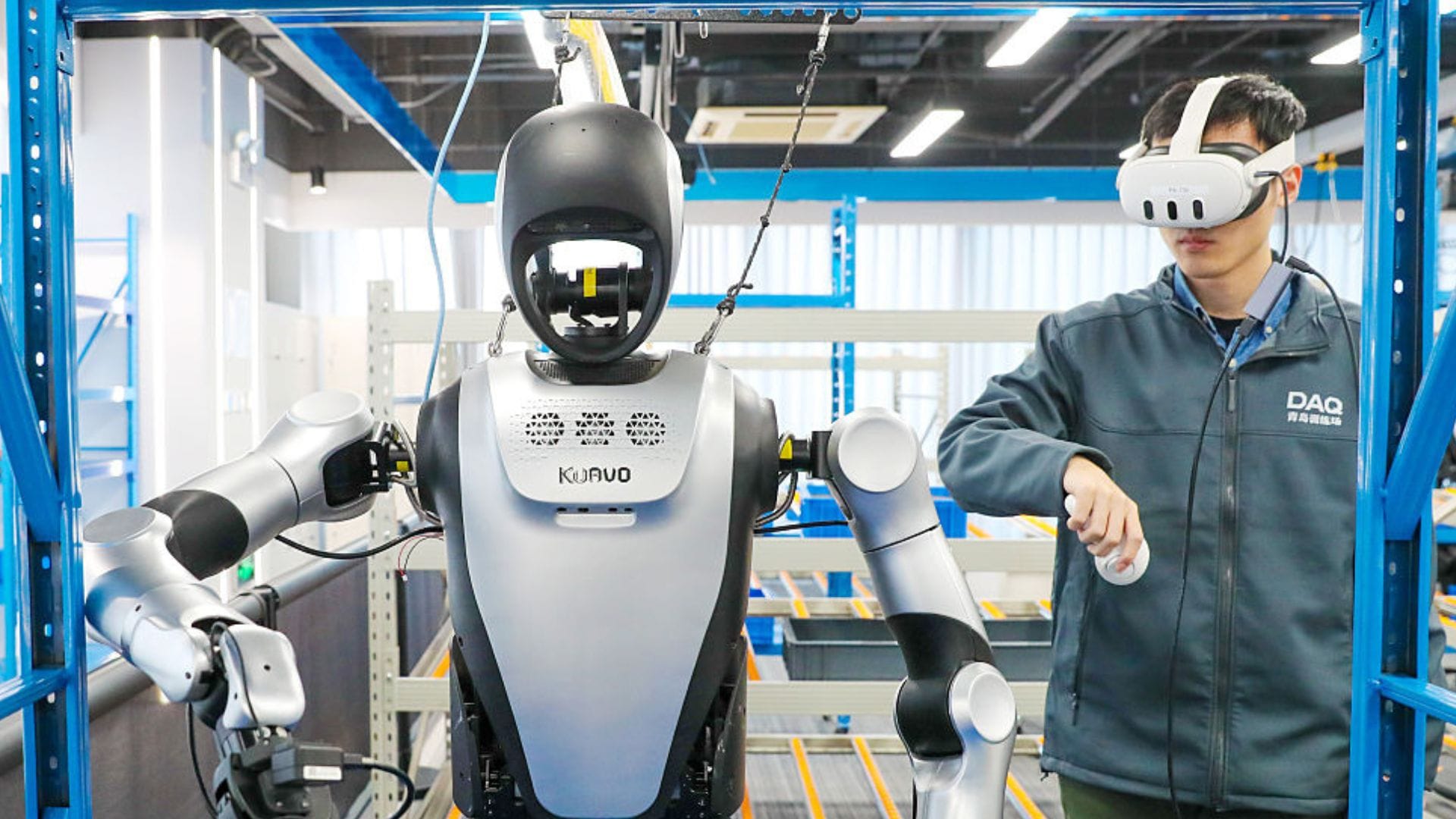
👀 What’s happening: Galbot AI has released the S1, a humanoid wheeled industrial robot built almost entirely around one task: moving heavy things, all day, every day. It carries a 50-kilogram continuous dual-arm payload, navigates autonomously, performs vision-based manipulation, and supports battery swapping for near-continuous operation. It is already deployed on live production lines for heavy material handling.
🌍 How this hits reality: Fifty kilograms is a quiet but brutal threshold. At this weight, robots stop being assistants and start replacing entire micro-systems inside already automated factories. The S1 doesn’t compete with human dexterity or forklifts on open floors in plants. It replaces the in-between layers: fixed conveyors, buffer zones, and manual transfer steps that automation never fully solved. Partners like Bosch Group and Toyota are testing it where reliability beats flexibility, and where shaving seconds off each handoff compounds into real throughput gains. This isn’t about new factories. It’s about squeezing more output from ones that are already “finished.”
🤖 Key takeaway: The S1 is not a general humanoid. It’s a logistics primitive wearing a humanoid body because factories are already shaped for people. If it undercuts forklifts, gantries, and custom automation on cost, it scales fast and quietly. If it doesn’t, it freezes in place. But if it wins, it becomes invisible infrastructure — the kind that changes factory economics without ever being called “AI.”
ART
Ai-Da Uses a Body to Claim Creative Authority
👀 What’s happening: Ai-Da is presented as a humanoid robot designing architecture, but its technical stack is familiar. Camera based vision, generative AI models, and a robotic drawing arm produce sketches and renders. There is no sensing to action loop, no embodiment, and no physical decision making. The body does not add capability.
🌍 How this hits reality: The technical design reveals the real function. This is a standard AI content pipeline wrapped in a humanoid shell. The shell exists to sit on stage, sign work, and answer questions. It shifts focus away from datasets, prompts, and human operators. Responsibility becomes diffuse, and authorship looks singular.
🤖 Key takeaway: Ai-Da’s value is not intelligence or robotics. It is positional. It occupies the author seat and blurs who decided what and why. Strip away the body and nothing breaks, except the story that makes it acceptable.
SURVEY
Humanoid Robots Face Reality Check
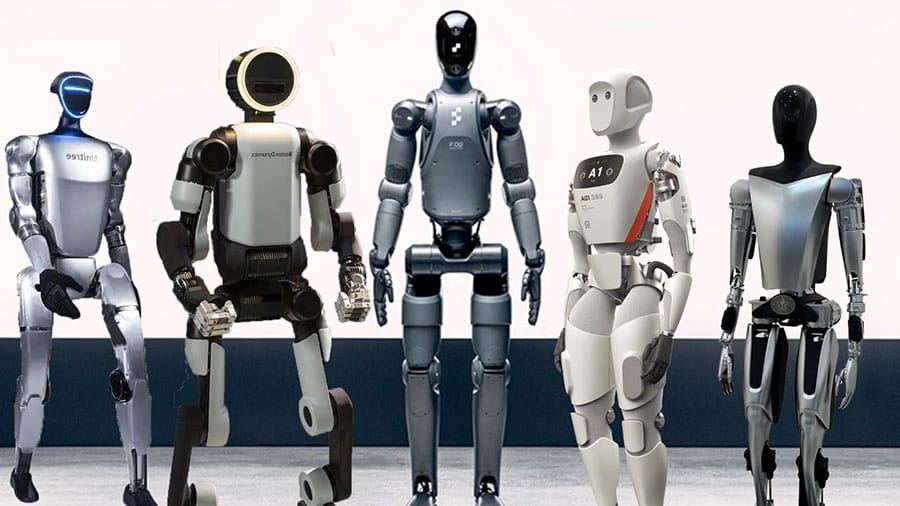
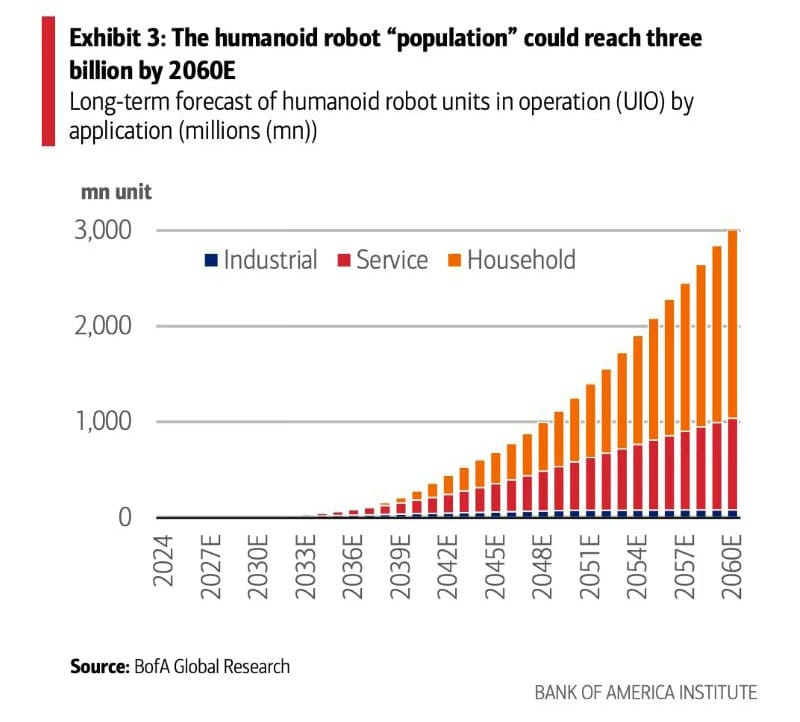
👀 What’s happening: The market research firm Gartner released a forecast arguing humanoid robots will not scale soon. By 2028, fewer than 20 companies are expected to deploy humanoids in real production. Hundreds of startups exist, but most remain stuck in pilots, demos, or tightly controlled trials rather than operating factories or warehouses.
🌍 How this hits reality: The report stresses that supply chains reward uptime and throughput, not resemblance to humans. Humanoids today cost multiples more than task robots while delivering lower utilization. Battery limits, safety constraints, and integration friction break economics when operations depend on thousands of reliable moves per hour.
🤖 Key takeaway: The future of humanoid robots is not decided by form factor but by proximity to production lines. Systems that close the gap on uptime, integration, and cost will survive. Those that are demos will not.
QUICK HITS
- Mitsubishi Electric is investing in startup Akari to develop AI-powered factory robots as Japan accelerates automation amid labor shortages.
- Waabi raised about $1B and deepened its partnership with Uber to extend its physical AI platform from autonomous trucks into robotaxis.
- XGSynBot unveiled an AI-powered dual-arm mobile robot, positioning it for cross-industry, cross-scenario embodied AI use.
- Researchers are developing spinning-mass robots that use centripetal force to roll, swim, jump, and potentially achieve insect-like flight.
- German manufacturing robotics startup RobCo raised $100 million at a valuation above $500 million to expand its presence in the US.
READ MORE
Let the Future Come to Your Inbox
Stay ahead without drowning in information. We turn the most important signals across AI, tech, marketing, and future products into 5-minute reads you can actually finish.
- AI Secret uncovers what really matters in AI
- Bay Area Letters decodes tech and business shifts from Silicon Valley
- Robotics Herald tracks how robots move from labs into daily life
- Marketing Secret breaks down real growth and go-to-market playbooks
- The Hardwire explores hardware, consumer tech, and what’s coming next
- Oncely helps you discover the next wave of AI products and launches
TOGETHER WITH US
AI Secret Media Group is the world’s #1 AI & Tech Newsletter Group, reaching over 2 million leaders across the global innovation ecosystem, from OpenAI, Anthropic, Google, and Microsoft to top AI labs, VCs, and fast-growing startups.
We've helped promote over 500 Tech Brands. Will yours be the next?
Email our co-founder Mark directly at mark@aisecret.us if the button fails.