
🤖 Robots Finally Fit Restaurants

Good Morning, Roboticists!
The robots are learning to fit in. Narrow restaurants, delicate hands, messy infrastructure. Reality remains the hardest benchmark.
Robots Finally Fit Restaurants
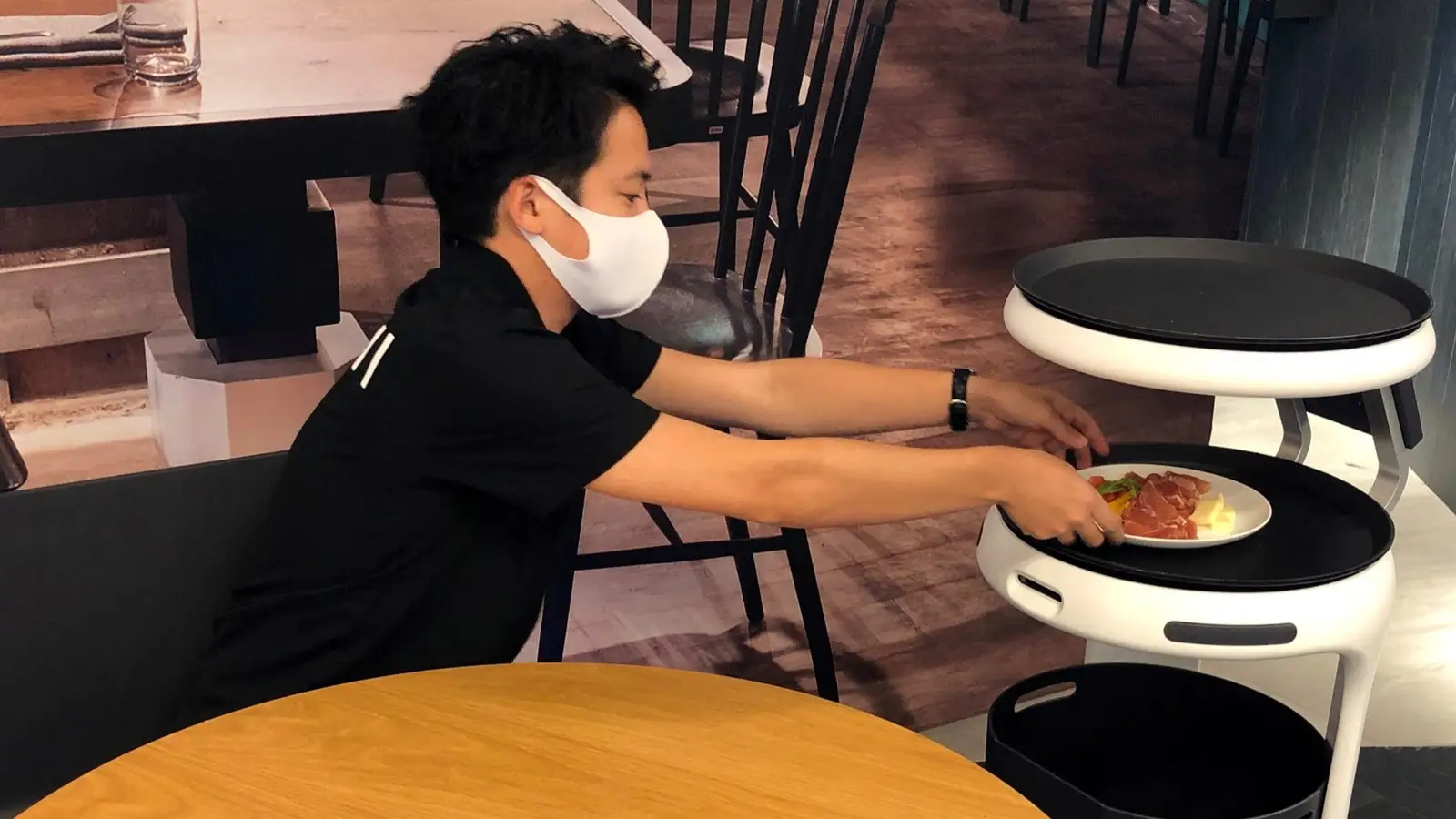
TL;DR: SoftBank Robotics and Bear Robotics launched Servi Q in Japan, a 35-centimeter-wide serving robot built for restaurants with tight aisles. It can travel through 45-centimeter passages, reverse out of dead ends using 360-degree LiDAR, carry up to 30 kilograms across three trays, and is slated for gradual international rollout beyond the United States and South Korea. Read more →
Delta-0 Eyes Energy Work
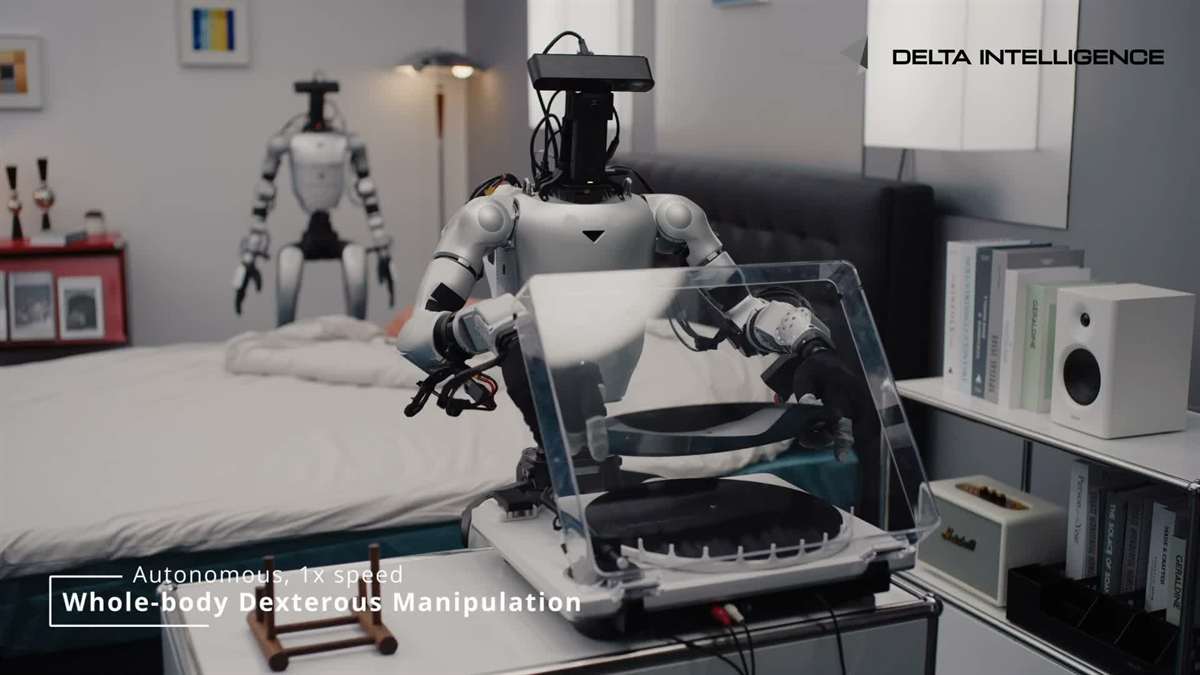
TL;DR: Delta Intelligence founder Xiaojian Ma says the company is steering its Delta-0 humanoid toward energy and infrastructure work, not domestic chores. The modified Unitree G1 has 69 degrees of freedom, and the team says scaling human video and motion data raised a dishwasher task from 23% to 89% in public evaluations, with no customers yet named. Read more →
Touch Moves Beyond Fingertips
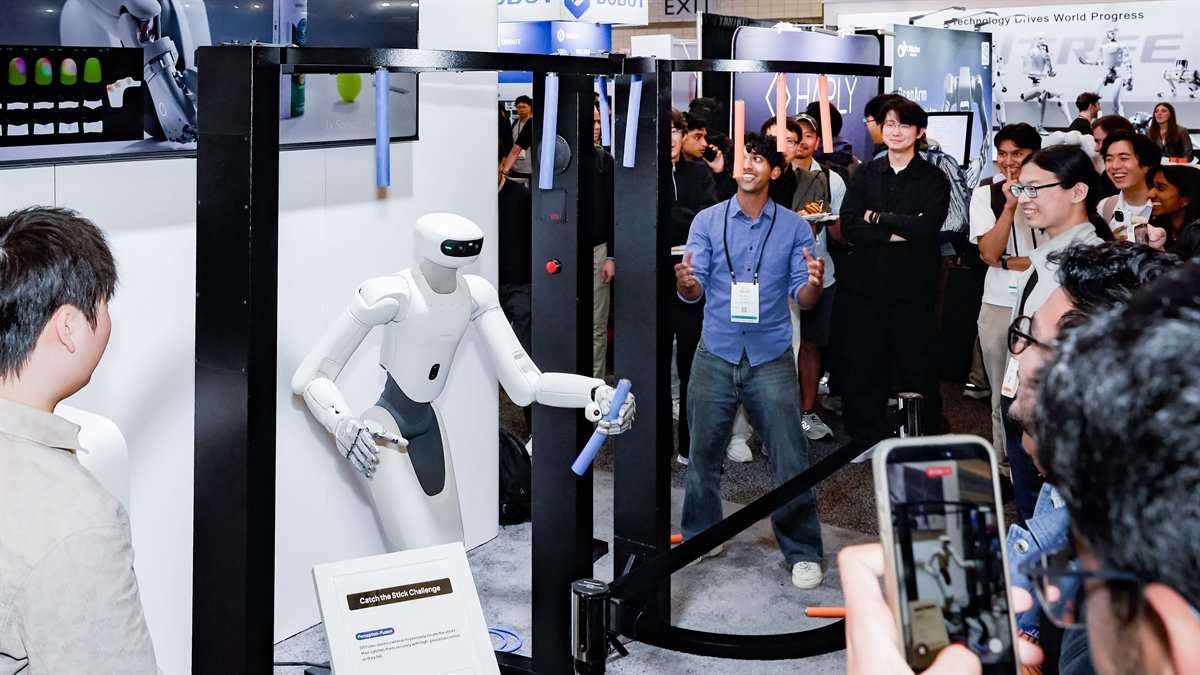
TL;DR: Sharpa launched the Dexa D01 manipulation robot, Wave W02 hand, and Avatar AE01 haptic glove at IROS in Pittsburgh. D01 combines tactile body skin, seven-degree-of-freedom arms, and five-kilogram payloads; W02 packs 21 active joints into a sub-750g hand; AE01 captures operator motion and returns fingertip feedback for teleoperation data. The company has not announced public prices or delivery dates. Read more →
The Teach Pendant Loses Ground
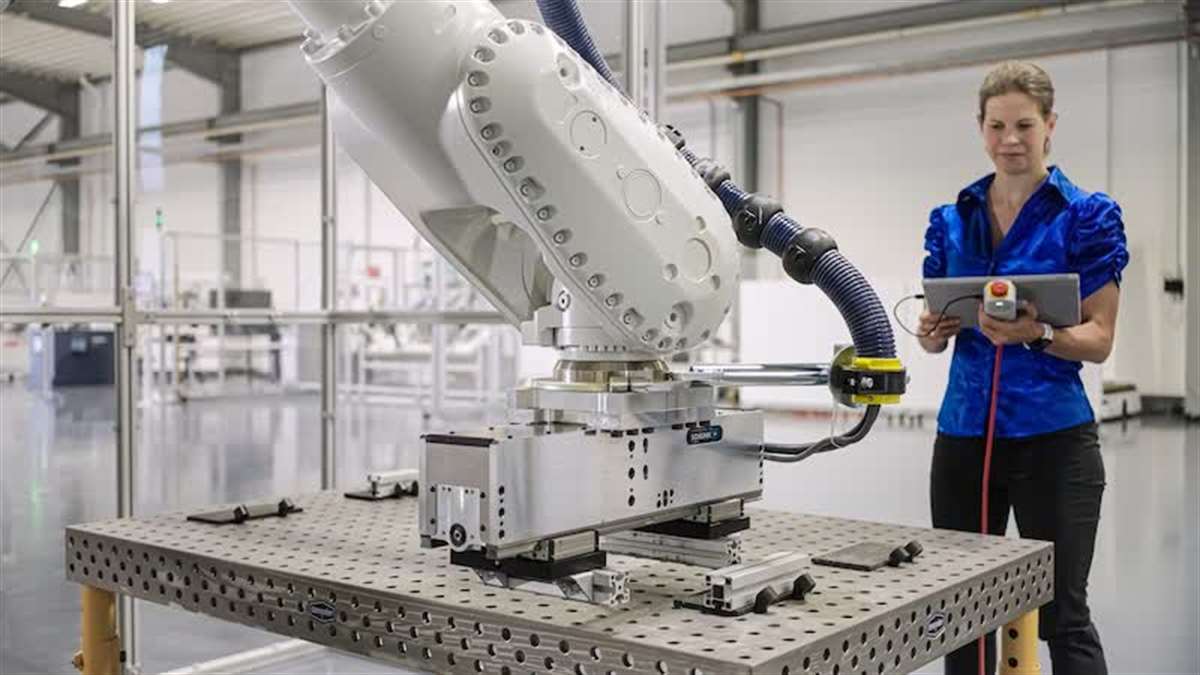
TL;DR: ABB launched E-Device, a compact safety interface that lets operators use their own tablets or PCs to program, operate, and monitor OmniCore robots and cobots. The device retains the physical emergency stop and enabling switch required for manual work, while the same interface can move from offline simulation to a production line without retraining operators or changing the safety workflow. Read more →
The Duet Isn't Pretend

TL;DR: MirrorMe unveiled VIVA, a dexterous robotic hand that played a real-time four-hand piano duet with a human in Shanghai. Its tendon-linkage transmission combines finger speed above 1,000 degrees per second with 33-newton fingertip force, while the company's CADA model translates musical intent into touch, timing, and feedback-driven corrections during each performance. The launch was announced September 29. Read more →
Delivery Bots Get A Loader
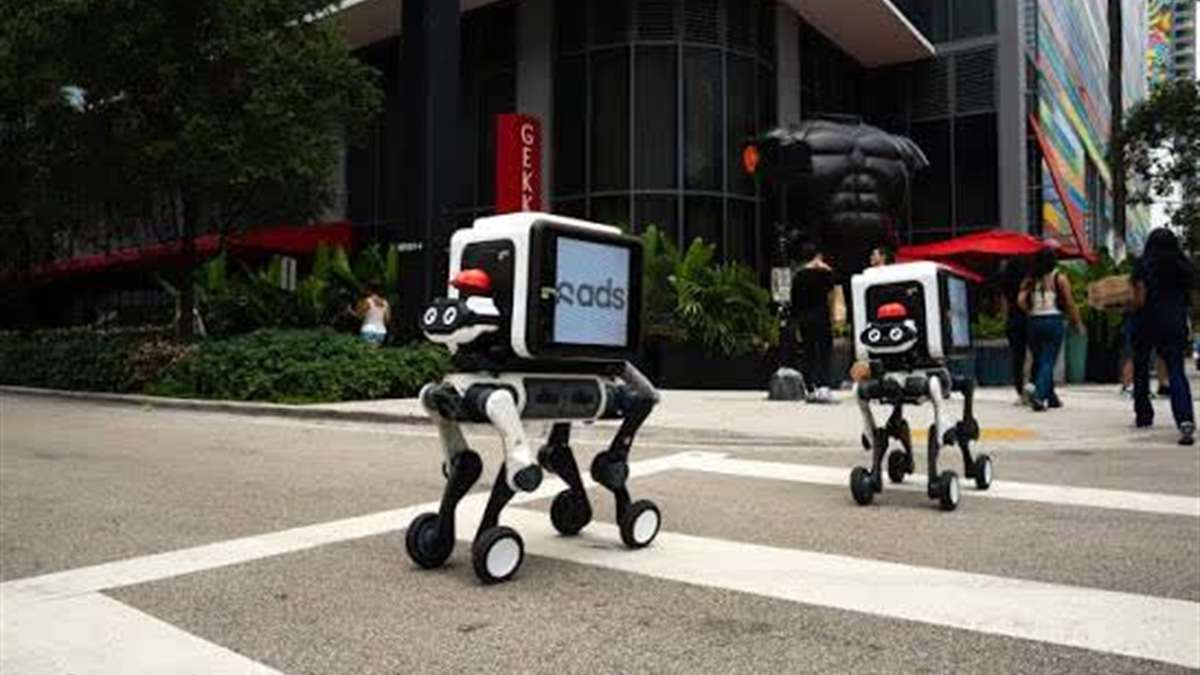
TL;DR: At the NACAS C3X conference in Chicago, Robot.com demonstrated its R-noid wheeled humanoid loading R-kiwi campus delivery robots in a single sequence. The company says its stack already supports more than 50 campuses, 150 restaurants, and 350,000 deliveries, but the new combined workflow remains a live conference demonstration rather than an announced campus deployment for customers today. Read more →
A Hand Learns To Walk
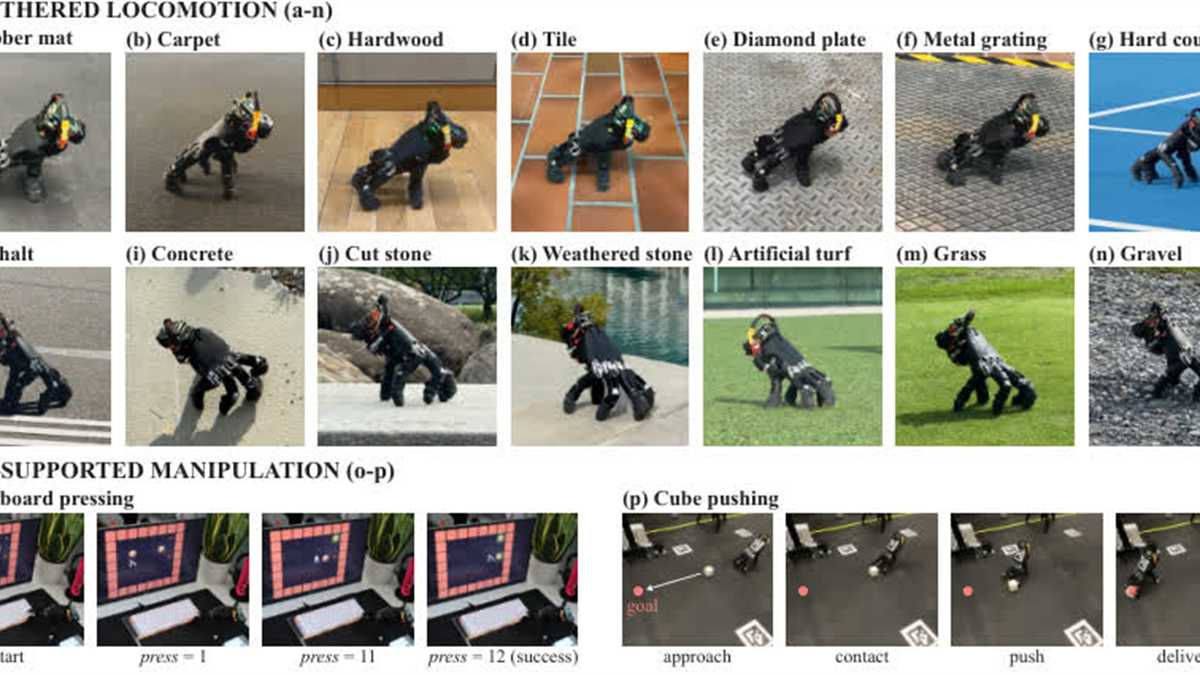
TL;DR: ETH Zurich researchers taught a commercial WUJI hand to crawl, steer, recover from falls, type, and push objects while using its own fingers as legs. The self-contained 818-gram system runs learned policies onboard, crossed 14 surfaces, and recovered in 21 of 25 measured falls, but relies on separate task-specific controllers instead of one general policy. Read more →
A Muscle Cell Takes The Helm
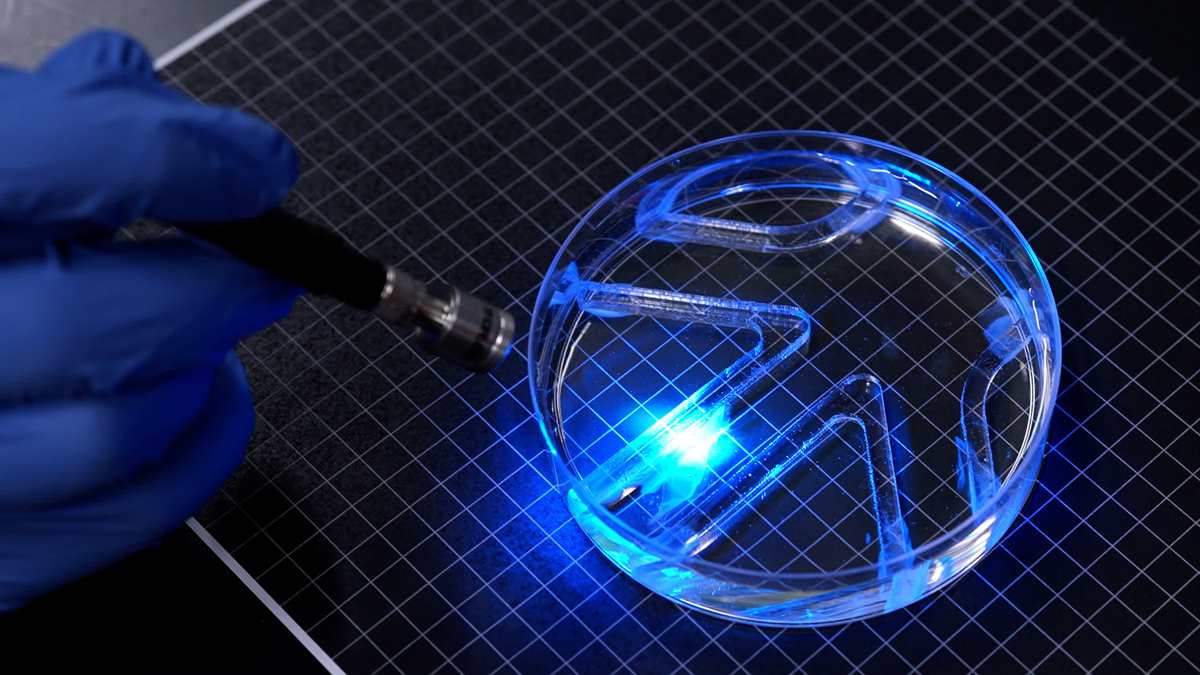
TL;DR: MIT engineers built a paper-thin swimming robot powered by a single layer of light-sensitive muscle cells. Flashes of light make either gel fin flap, letting the bot steer through a watery maze at roughly four body lengths per minute. The team says the two-dimensional biohybrid design could make delicate, self-healing robots cheaper and more efficient. Read more →
The Training Data Gets A Body
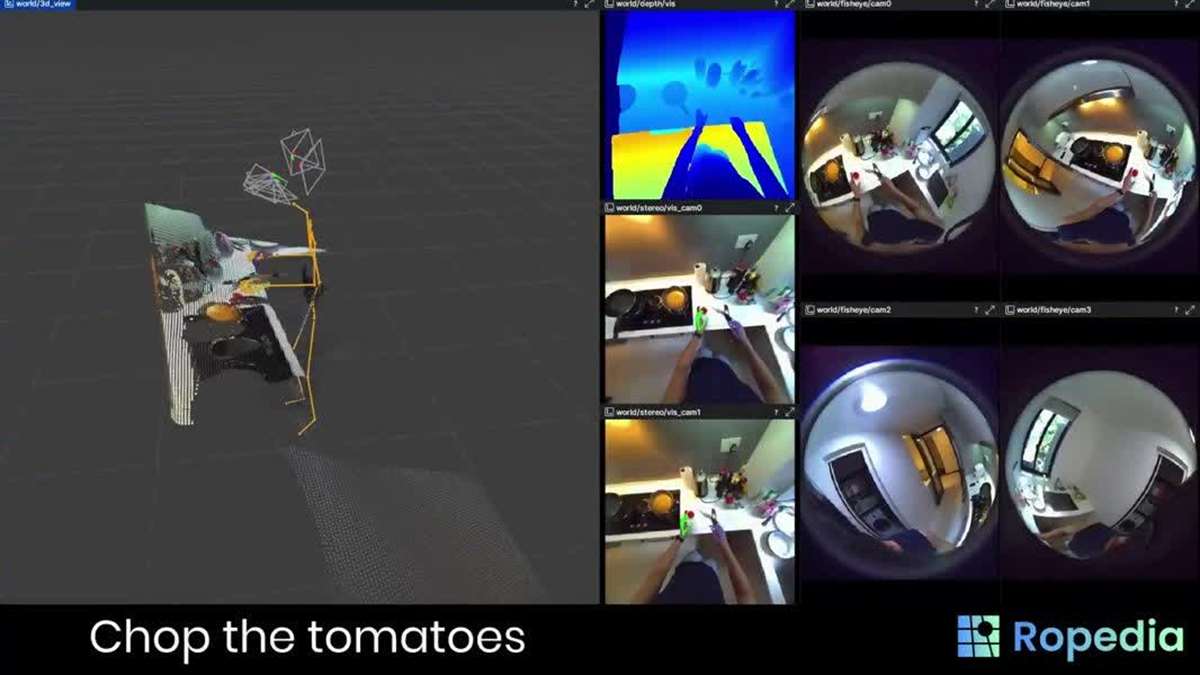
TL;DR: Ropedia opened an Academic Partner Program that gives selected researchers access to its HOMIE Gen2 multimodal capture device and a 500-hour real-world evaluation program. The Singapore startup says the head-mounted platform records visual, motion, spatial, inertial, and semantic data, while its Xperience-10M dataset has already logged more than 2.3 million downloads across its current research network. Read more →
A Robot Unit Gets Its Ticker
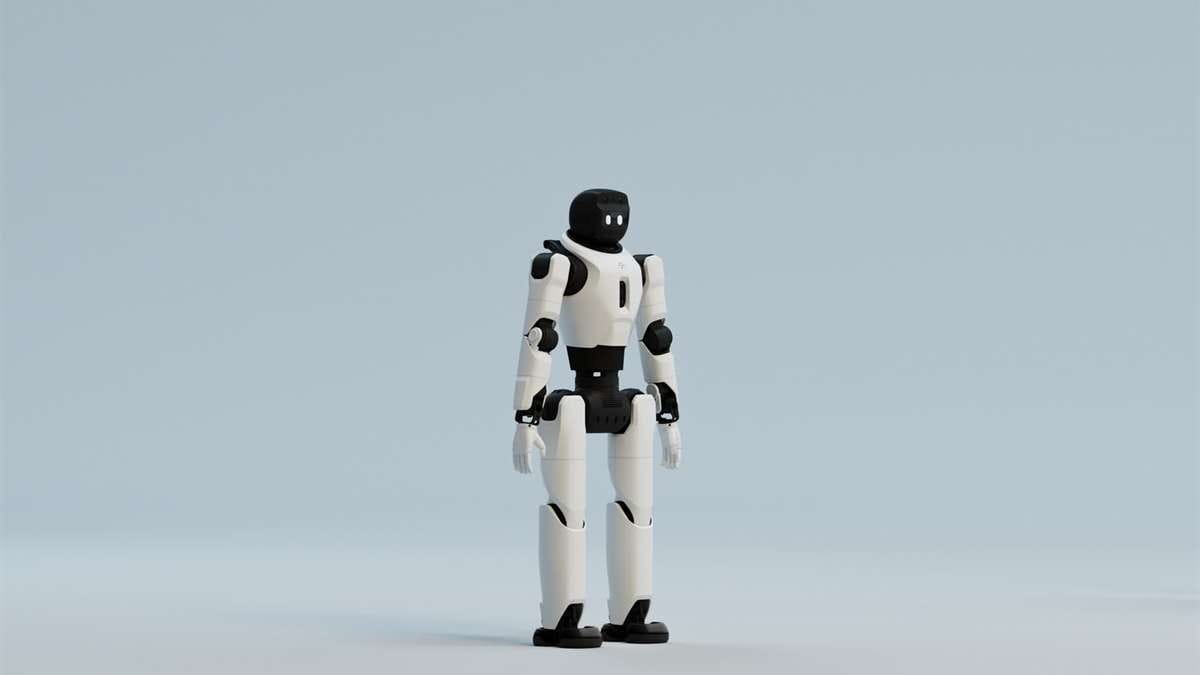
TL;DR: AIxCrypto signed a nonbinding term sheet to acquire Faraday Future's robotics business at an estimated $200 million valuation, with the buyer set to rename itself FF EAI Robotics Ecosystem and trade as FFR. The transaction still needs definitive agreements and approvals, but the companies say it would create a standalone Nasdaq-listed business centered on humanoid, biomimetic, and service-robot products. Read more →
UNDERSTAND WHAT CHANGES AND WHY IT MATTERS
From breakthrough models to billion-dollar bets—we follow the technology, business, and people shaping AI. Get the free daily briefing in your inbox.
- AI Secret uncovers your daily edge in AI
- Bay Area Letters decodes AI, tech, and business from Silicon Valley
- Robotics Herald tracks how robots move from labs into daily life
- Marketing Secret breaks down real growth and go-to-market playbooks
- The Hardwire explores hardware, consumer tech, and what’s coming next
TOGETHER WITH US
AI Secret Media Group is the world’s #1 AI & Tech Newsletter Group, reaching over 2 million leaders across the global innovation ecosystem, from OpenAI, Anthropic, Google, and Microsoft to top AI labs, VCs, and fast-growing startups.
We've helped promote over 500 Tech Brands. Will yours be the next?
Email our co-founder Mark directly at mark@aisecret.us if the button fails.