
🤖 Robots Learn To Badge In

Good Morning, Roboticists!
Walking is becoming open source. Reliability, unfortunately, remains proprietary.

Robots Learn To Badge In
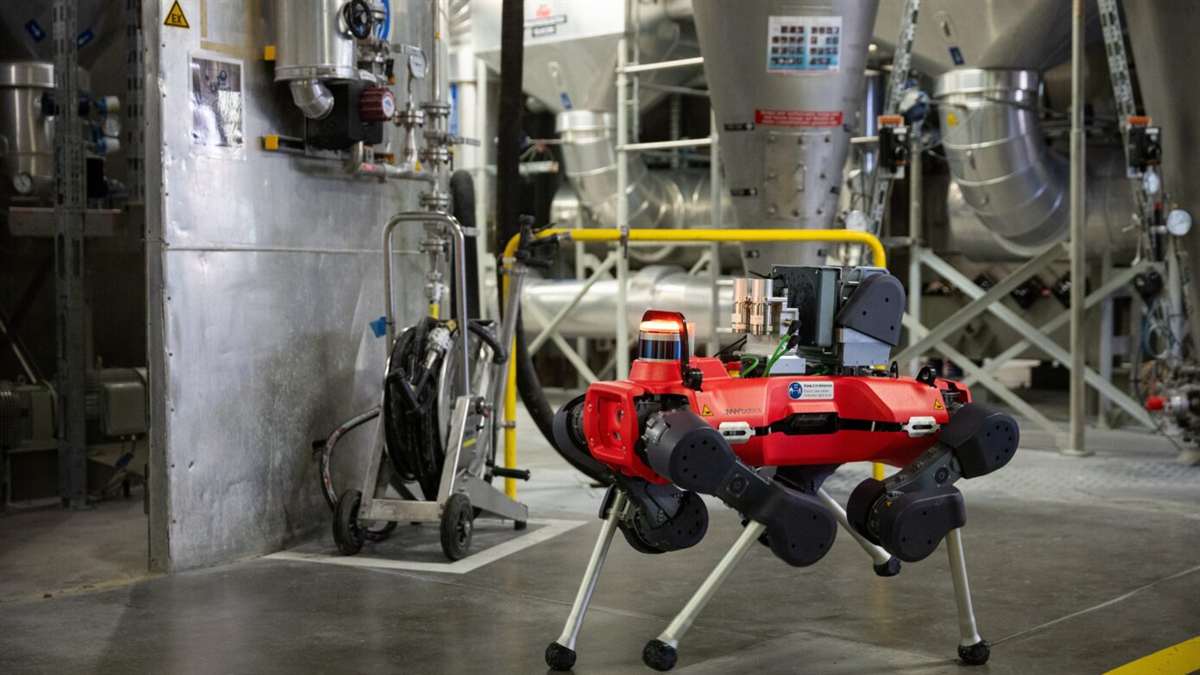
TL;DR: ANYbotics, dormakaba, and LEGIC Identsystems have connected ANYmal inspection robots to existing door automation and access-control systems. At unlocked doors, radar triggers a retrofit operator; at restricted entrances, the robot presents a digital credential. The setup preserves audit trails and anti-tailgating safeguards while giving a four-legged inspector a way through facilities without somebody escorting it. Read more →
TOGETHER WITH QODER
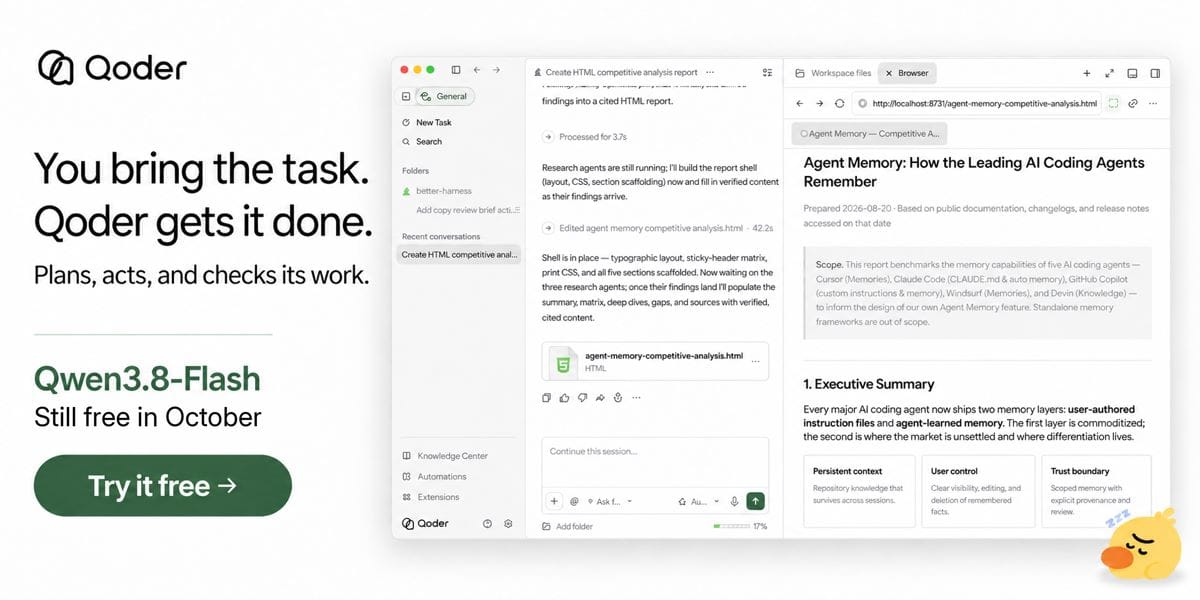
Your work doesn’t live in one tool. Neither should your agent.
Qoder is built around the task, wherever it starts: a rough brief, a live issue, a folder of files, or a prototype idea. It plans the work, uses the context and tools you authorize, keeps progress visible, and pauses when your judgment is needed.
Try it on work you actually care about: select Qwen3.8-Flash in Qoder. It's still free in October, with no paid subscription or Credits required.
More Robots, Same Problems
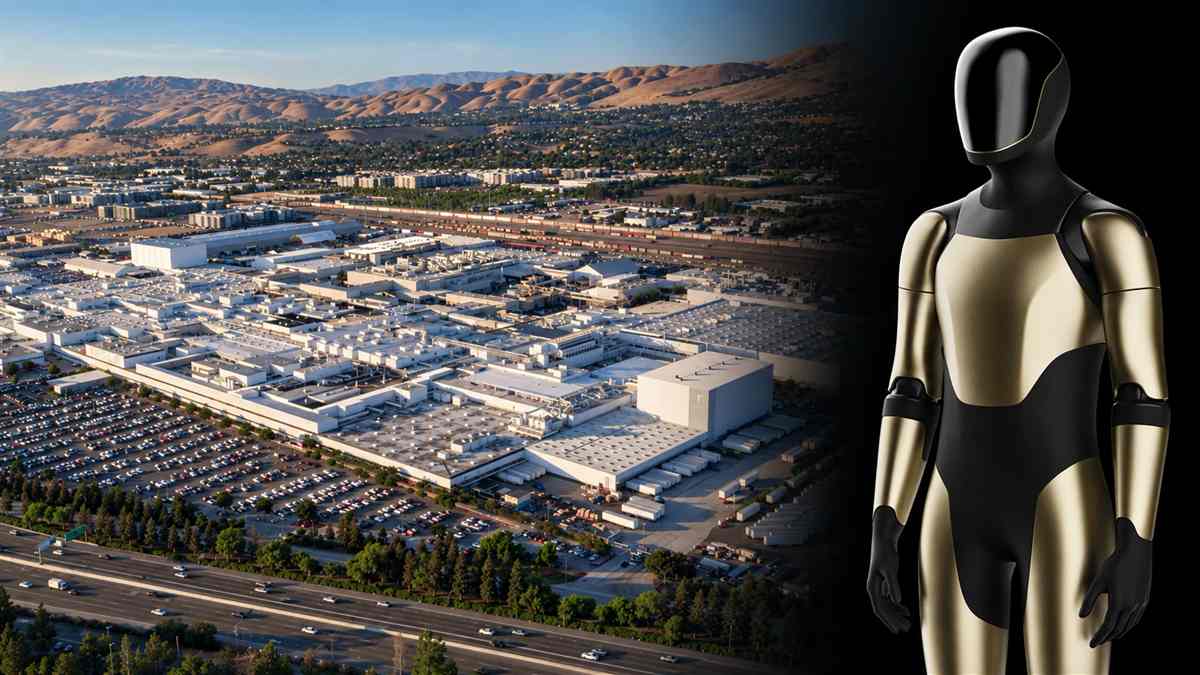
TL;DR: Tesla reportedly built several hundred Optimus robots a week in August, versus a few dozen during second-quarter testing, yet its current V3 units still differ from the planned customer machine. The factory program is battling hand assembly, sensor durability, supplier consistency, and task-specific AI. Tesla has more than 500,000 training hours, but no signed leases or delivery timetable. Read more →
Walking Stops Being Proprietary
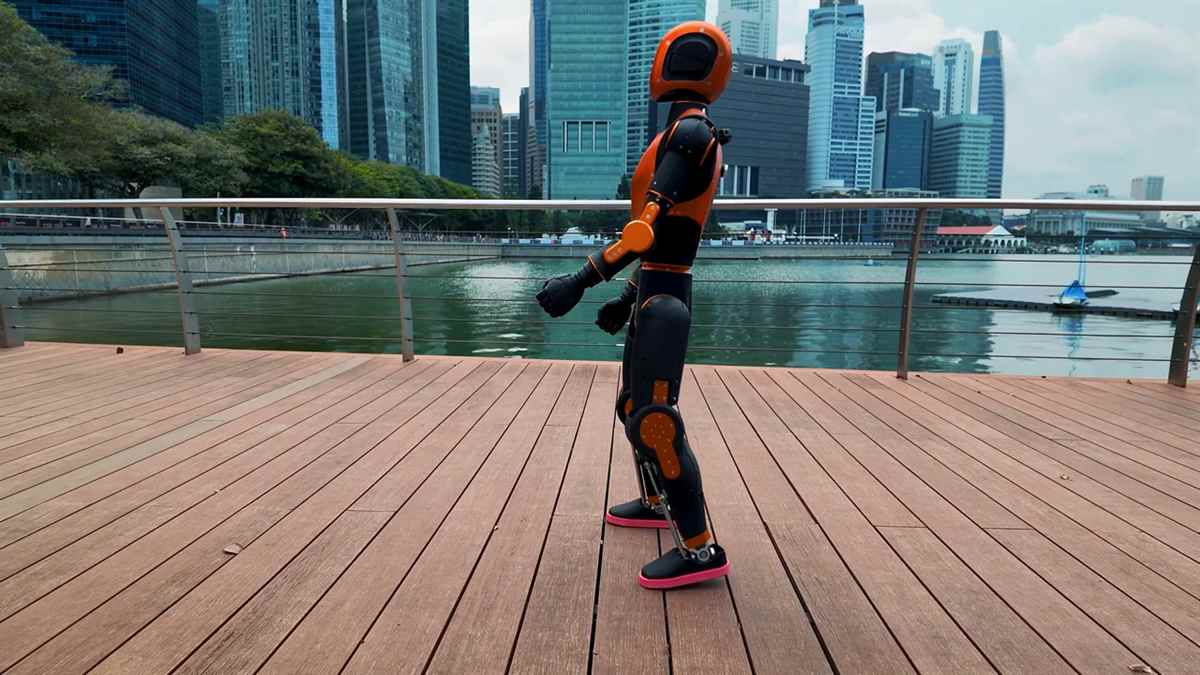
TL;DR: Menlo Research open-sourced the locomotion policy and training code for its Asimov 1 humanoid, exposing Isaac Lab rewards, actuator settings, and simulation variations rather than treating walking as a vendor feature. The project says it released a trained checkpoint too, although reviewers could not find downloadable weights. The package arrives alongside DIY hardware, not a finished consumer robot. Read more →
Twenty Thousand Leaves The Line
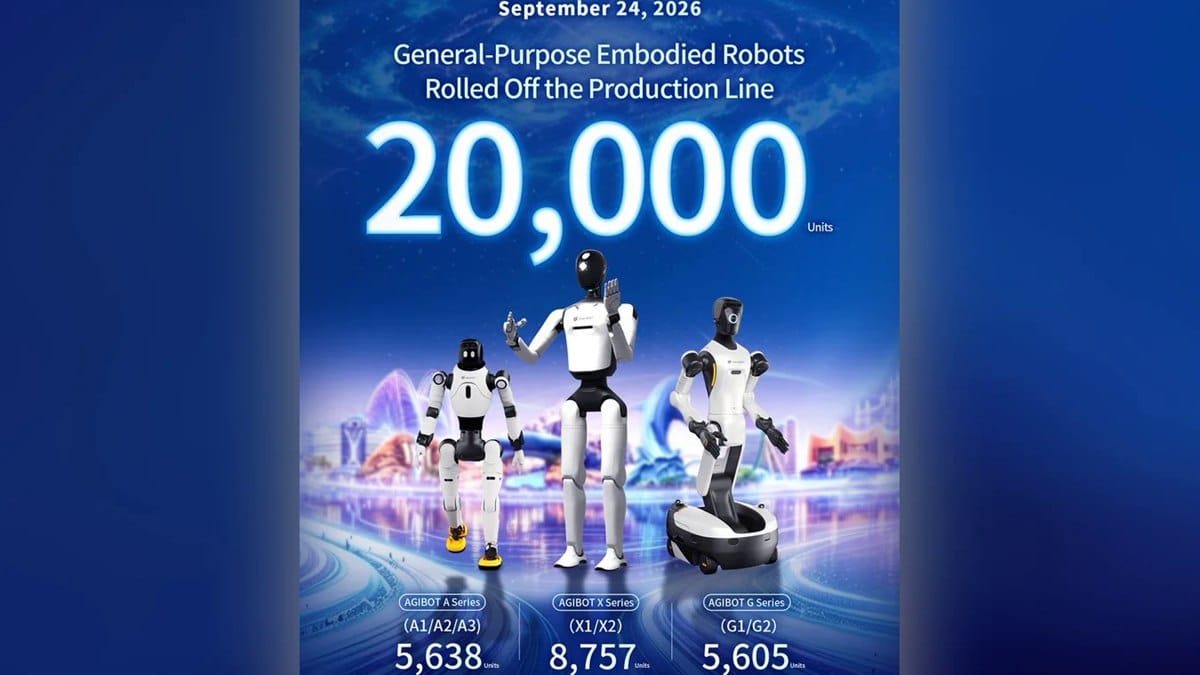
TL;DR: AGIBOT says robot number 20,000 has left its production line, doubling cumulative output since March. The reported fleet spans 5,638 A-Series, 8,757 X-Series, and 5,605 G-Series machines, so it is not a count of identical humanoids or active deployments. The milestone unit went to Chimelong, where the company has announced a 300-plus-robot tourism rollout. Read more →
Orbit Runs Out Of Fuel
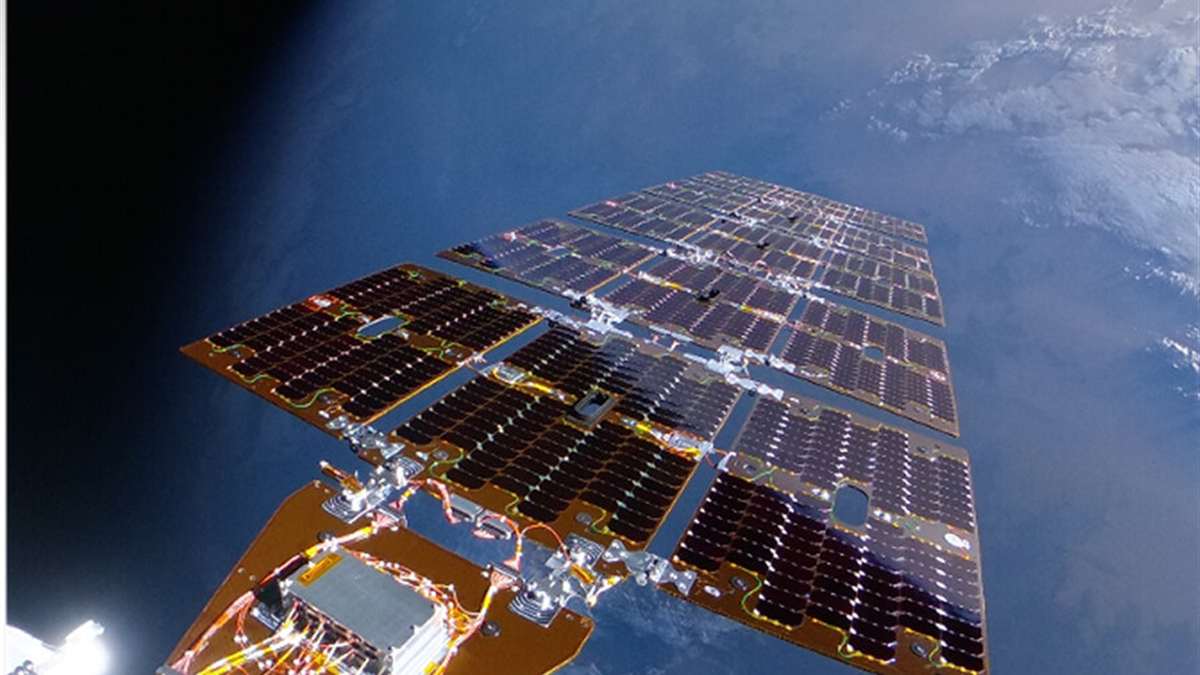
TL;DR: Katalyst Space ended its LINK mission after an attitude-control fault depleted too much fuel to capture and raise NASA's Swift Observatory. The robotic spacecraft spent 85 days in orbit, stabilized after a multi-axis spin, came within 12-15 kilometers of Swift, and tested its three robotic arms. The mission missed its rescue goal but generated flight data for Katalyst's next NEXUS vehicles. Read more →
Failure Becomes The Calibration
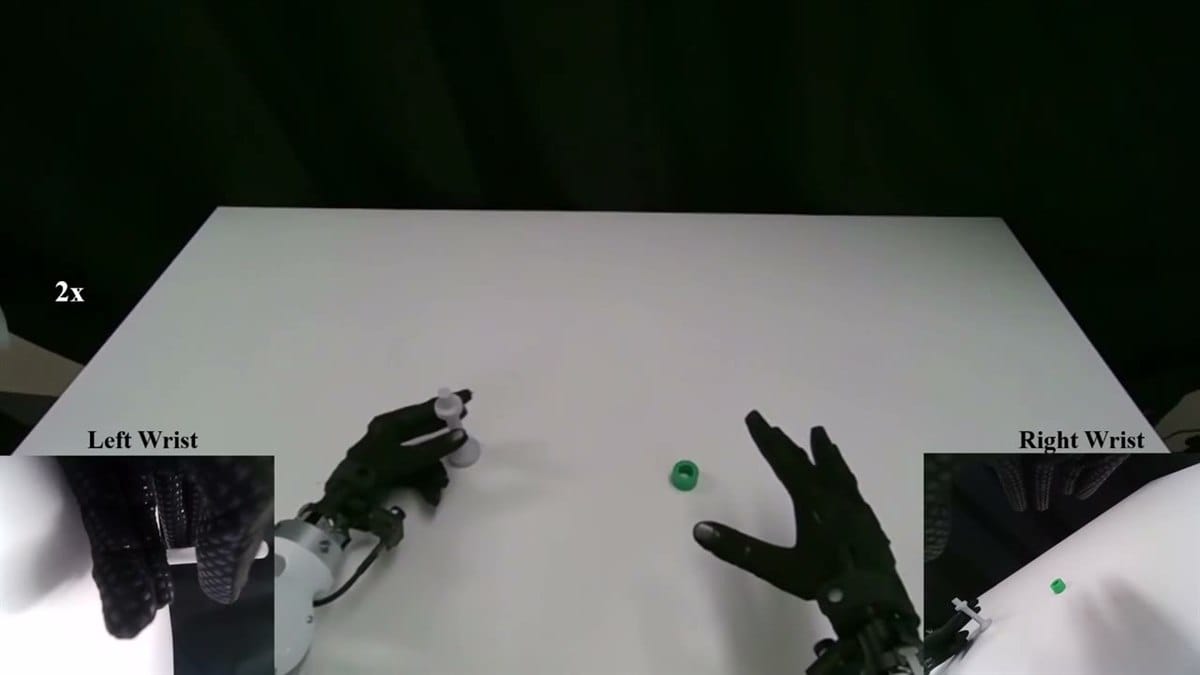
TL;DR: A UMass Amherst and Genesis AI team introduced Self-Adaptive VLA, which lets a robot use failed attempts to infer calibration and hardware shifts instead of repeating the same mistake. Across four physical manipulation tasks with joint-encoder offsets, its best model reached 75% average completion against 5% for the base policy. The work remains a preprint, not a deployed product. Read more →
The Gripper Learns To Listen
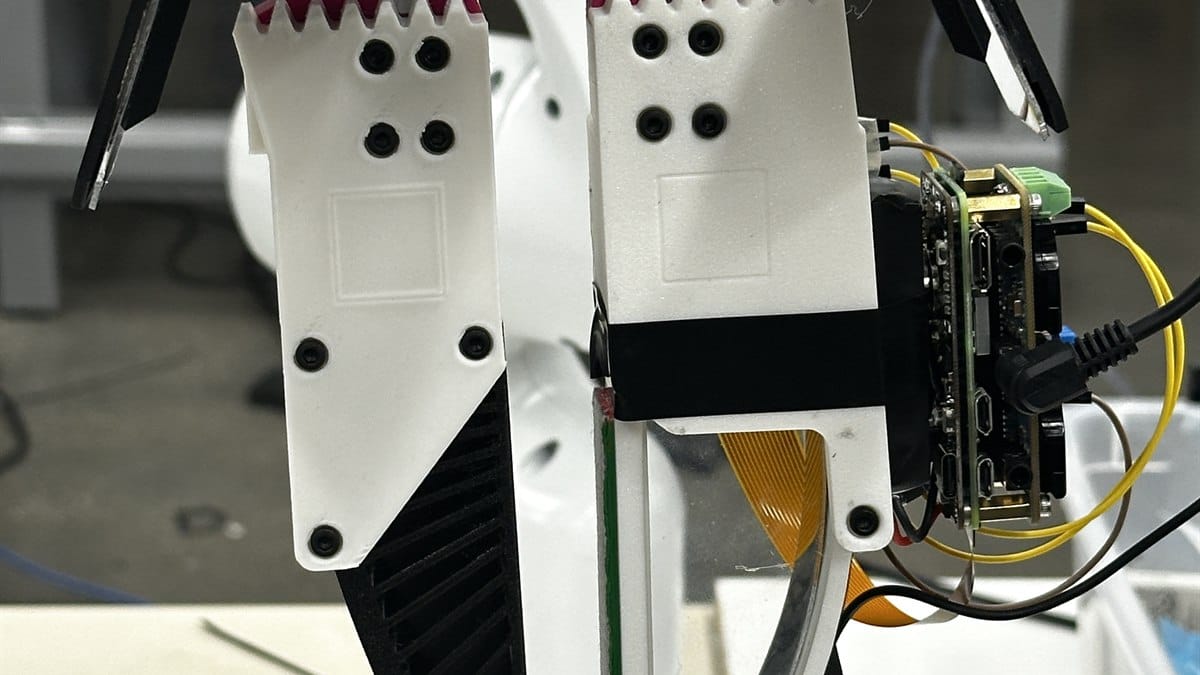
TL;DR: Researchers released PolyUMI, an open-source demonstration system combining wrist video, tactile sensing, contact audio, and proprioception in a handheld gripper that transfers to a robot end effector. Their VisTA policy used the mixed signals for contact-rich manipulation, reporting better slip control and object inference than vision-led baselines. It is a research platform, with hardware, firmware, and software made public. Read more →
Humanoids Get A Price Tag
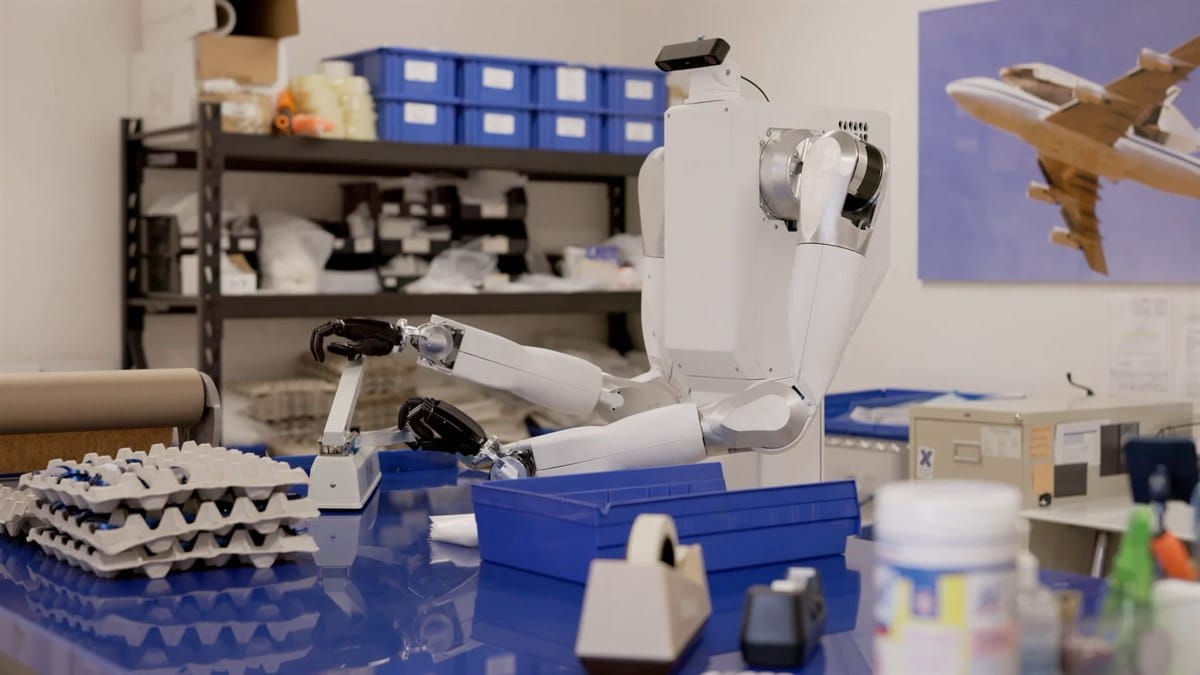
TL;DR: Feather Robotics launched a wheeled, dual-arm humanoid platform from $29,990 with $7.6 million led by Gradient. The 23-DoF machine has two seven-DoF arms, a holonomic base, a 10-hour dual-battery setup, and an open Python and ROS 2 SDK. After roughly a year of field testing, Feather says it is shipping today, though it has not published reliability or deployment figures. Read more →
Repairs Become Part Of The Design
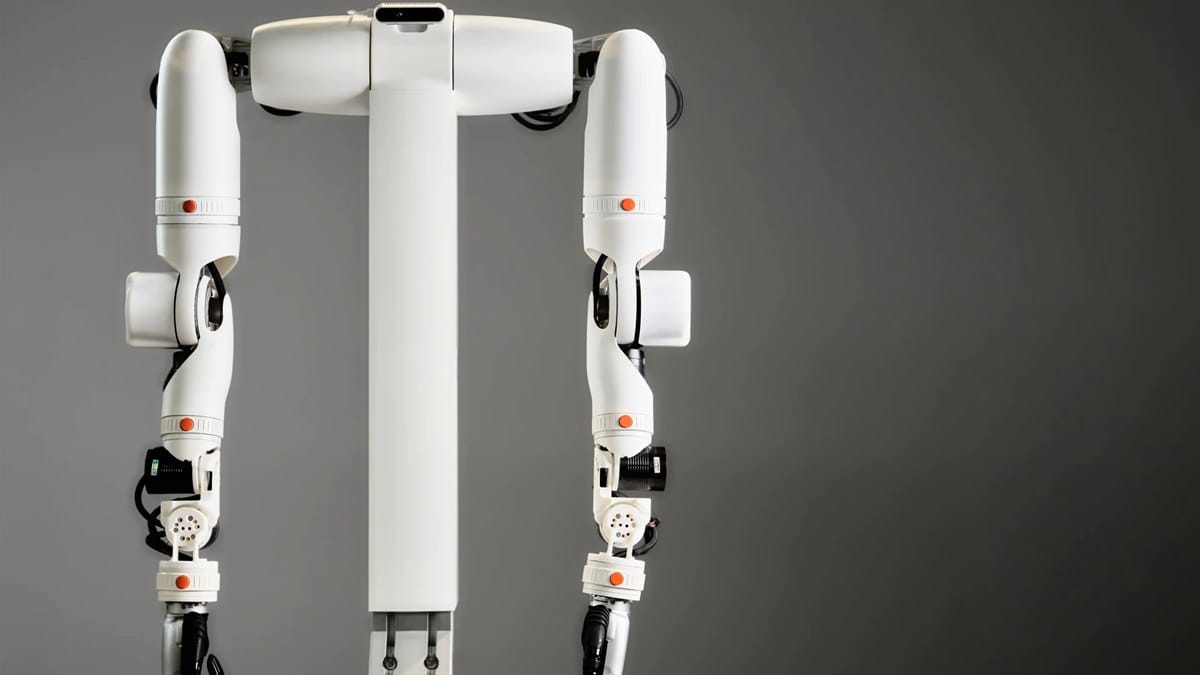
TL;DR: Tokyo startup O-ID raised $1.2 million in pre-seed funding to move a modular industrial robot toward production for Japanese auto and logistics work. Its planned system lets customers replace joints, limbs, and compute modules on site, then reload calibration and run checks. The Sumitomo Electric agreement is an exploratory wire-harness discussion, rather than an announced purchase or robot deployment. Read more →
The Wingman Reaches The Base
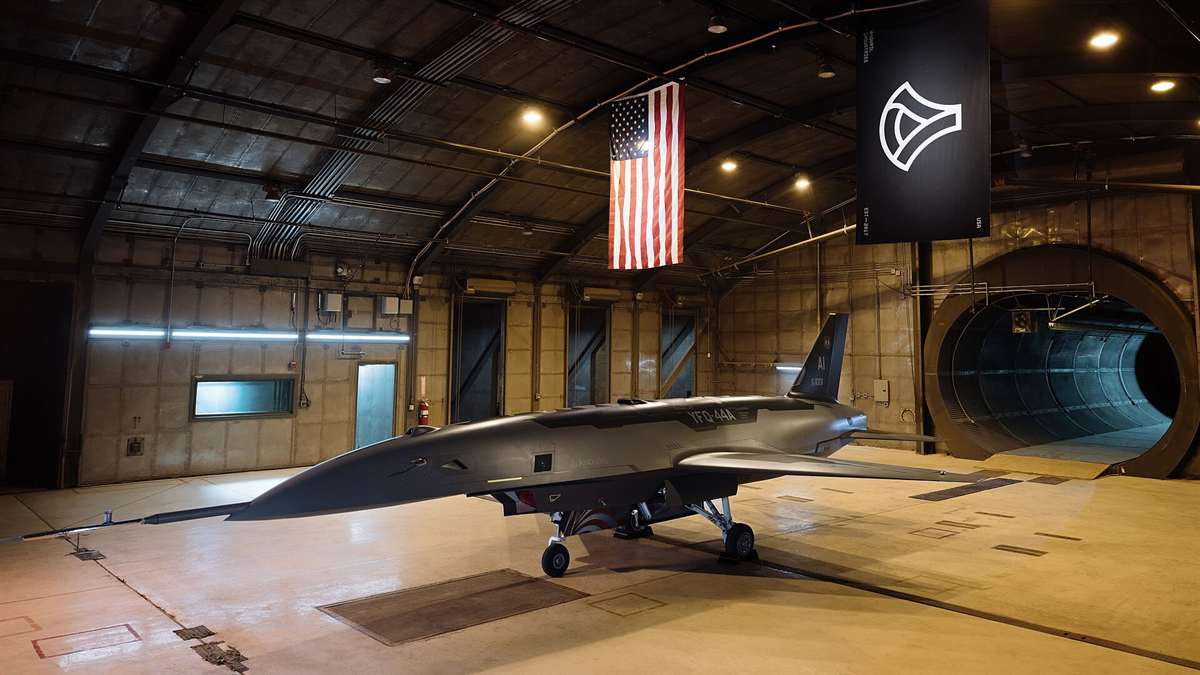
TL;DR: The U.S. Air Force has received Anduril's YFQ-44A Fury and General Atomics' YFQ-42A Vengeance at Creech Air Force Base, Nevada, for operational experiments beside crewed fighters. The semi-autonomous aircraft can carry sensors or weapons under human direction. The immediate test is mundane but consequential: how the service launches, maintains, refuels, rearms, and supervises a new kind of aircraft fleet. Read more →
UNDERSTAND WHAT CHANGES AND WHY IT MATTERS
From breakthrough models to billion-dollar bets—we follow the technology, business, and people shaping AI. Get the free daily briefing in your inbox.
- AI Secret uncovers your daily edge in AI
- Bay Area Letters decodes AI, tech, and business from Silicon Valley
- Robotics Herald tracks how robots move from labs into daily life
- Marketing Secret breaks down real growth and go-to-market playbooks
- The Hardwire explores hardware, consumer tech, and what’s coming next
TOGETHER WITH US
AI Secret Media Group is the world’s #1 AI & Tech Newsletter Group, reaching over 2 million leaders across the global innovation ecosystem, from OpenAI, Anthropic, Google, and Microsoft to top AI labs, VCs, and fast-growing startups.
We've helped promote over 500 Tech Brands. Will yours be the next?
Email our co-founder Mark directly at mark@aisecret.us if the button fails.