
🤖 Security Goes One-Wheel

Good Morning, Roboticists!
One wheel patrols the campus, coffee grabs the fragile parts, and Washington watches the border for robot invasions.
Security Goes One-Wheel
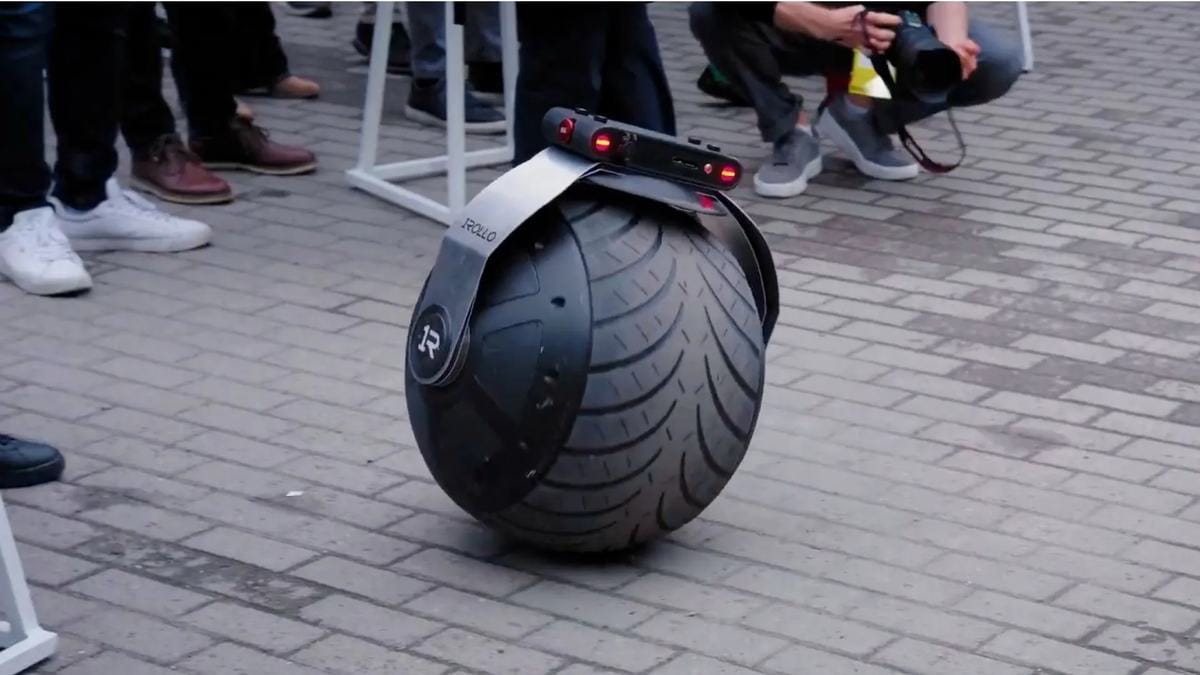
TL;DR: Estonian startup Rollo Robotics unveiled 1ROLLO, a self-balancing monowheel robot built for autonomous security patrols across industrial sites, campuses, airports, and data centers. The 45 kg machine combines a gyroscopic flywheel, 360-degree vision, edge AI, RTK-GNSS, wireless charging, modular payloads, live alerts, and 30 km/h travel, with subscription-based commercial availability planned for 2027. Read more →
Coffee Makes Robots Gentle
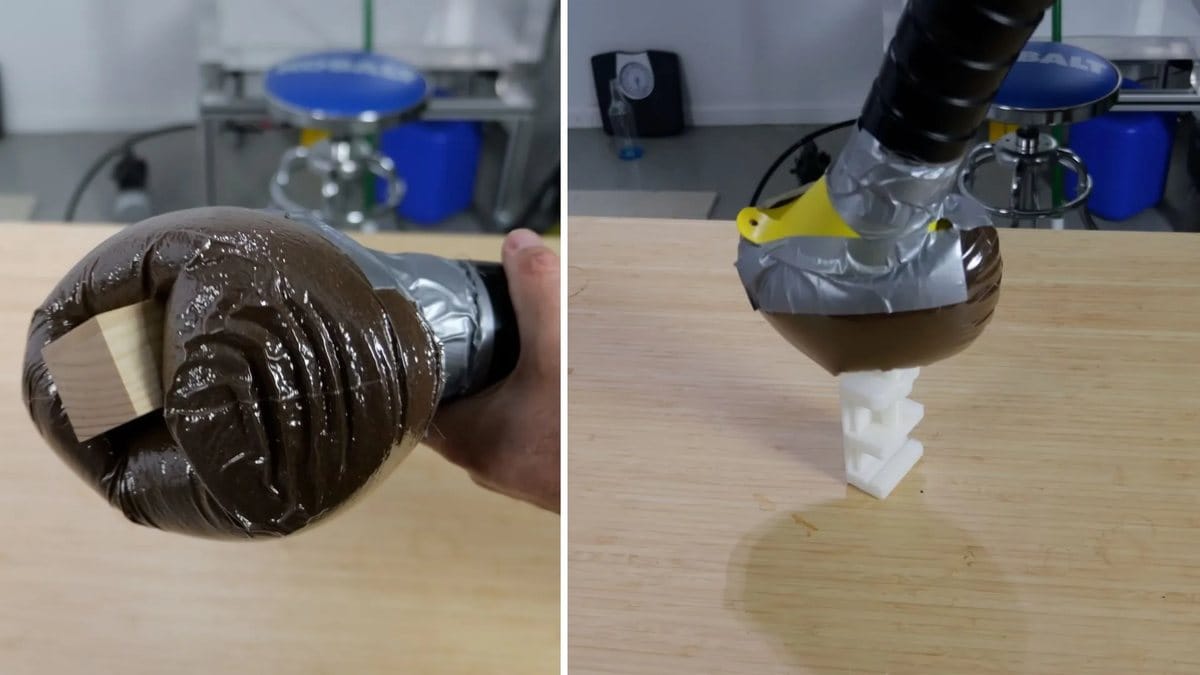
TL;DR: A coffee-filled robotic gripper can pick up fragile and irregular objects without cameras, custom programming, or complex sensors. The latex-balloon design uses vacuum pressure to jam coffee grounds around objects, reviving a 2010 Cornell, University of Chicago, and iRobot concept that still offers a surprisingly cheap path to adaptable industrial manipulation. Read more →
Robot Imports Hit A Wall

TL;DR: The FCC is preparing to bar new Chinese humanoid and quadruped robots from U.S. imports, citing national security risks around connected machines. The proposed Covered List expansion would affect new models while also adding power inverters used in renewables, batteries, and data centers, turning robot supply chains into a policy flashpoint. Read more →
Reaction Time Finally Shrinks
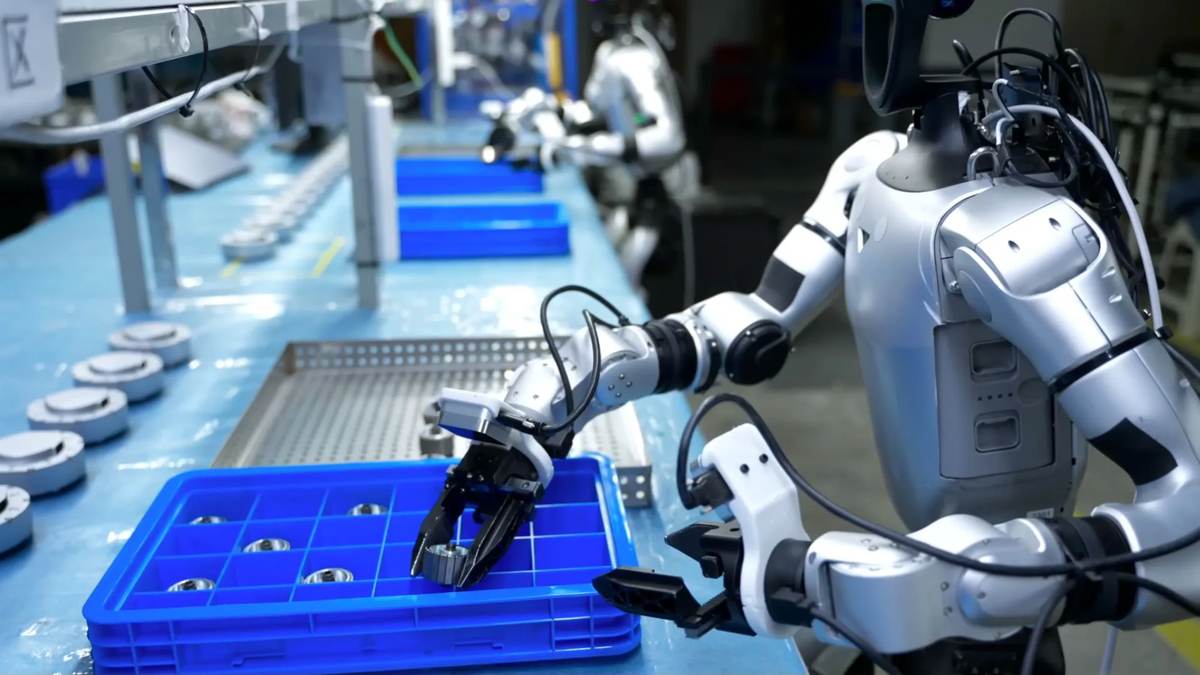
TL;DR: MIT researchers introduced VLASH, a method that helps robots act based on where they will be moments in the future. The approach cuts reaction delays by more than 30 times and can double speeds in pick-and-place tasks, making robot arms noticeably smoother in fast settings such as table tennis, tracking, and Whack-a-Mole. Read more →
Clinical Labs Get Extra Hands
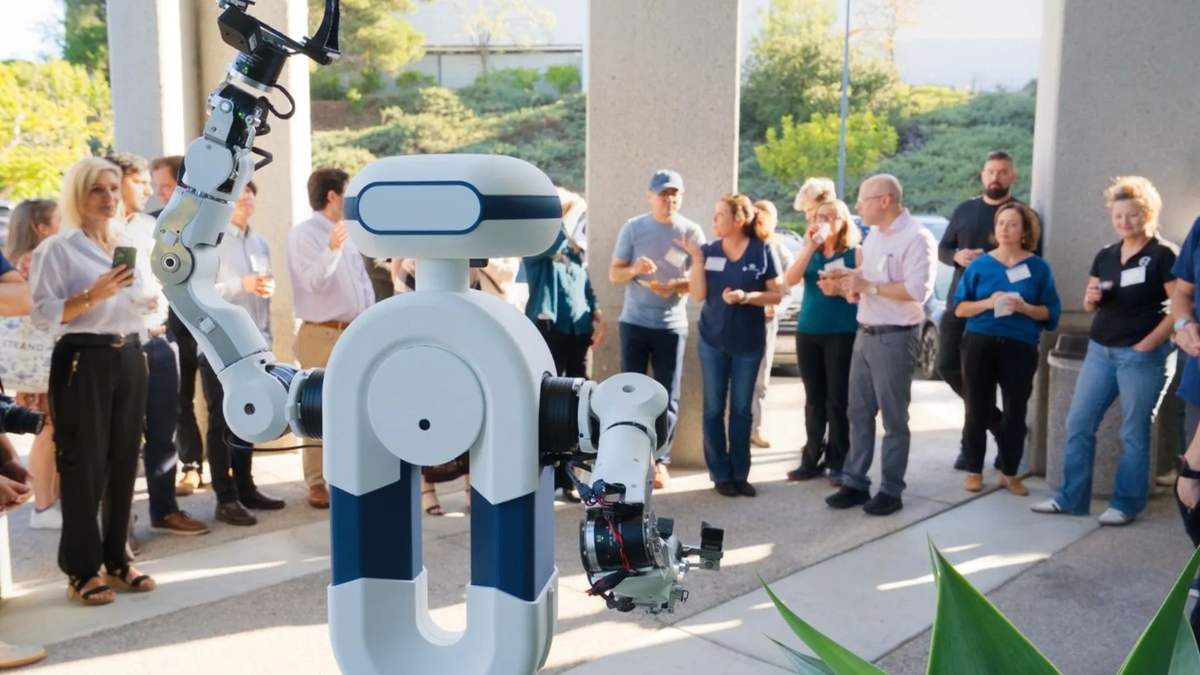
TL;DR: Tactus AI introduced Elsie, a two-armed humanoid laboratory assistant for clinical labs, at the 2026 ADLM Annual Scientific Meeting Clinical Lab Expo. The robot uses touch, force, depth, and vision sensing to operate existing diagnostic instruments and follow validated procedures, aiming to automate routine bench work without forcing labs to replace expensive equipment or infrastructure. Read more →
Spare Parts Beat The Clock
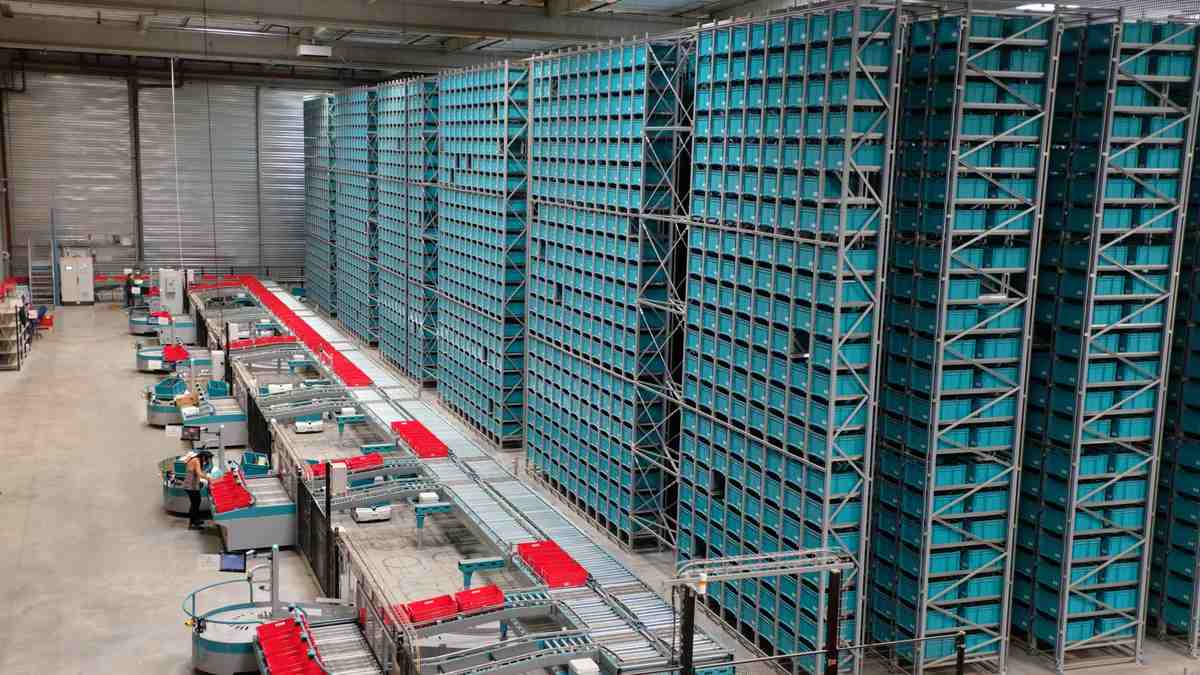
TL;DR: Renault Group’s spare-parts operation is getting faster with Exotec’s Skypod robots, cutting order processing from two hours to 15 minutes. The warehouse system helps the automaker move parts through its French network with less manual handling and a sharper aftersales promise for dealers and service teams waiting on inventory. Read more →
Delivery Tries Killing Tips
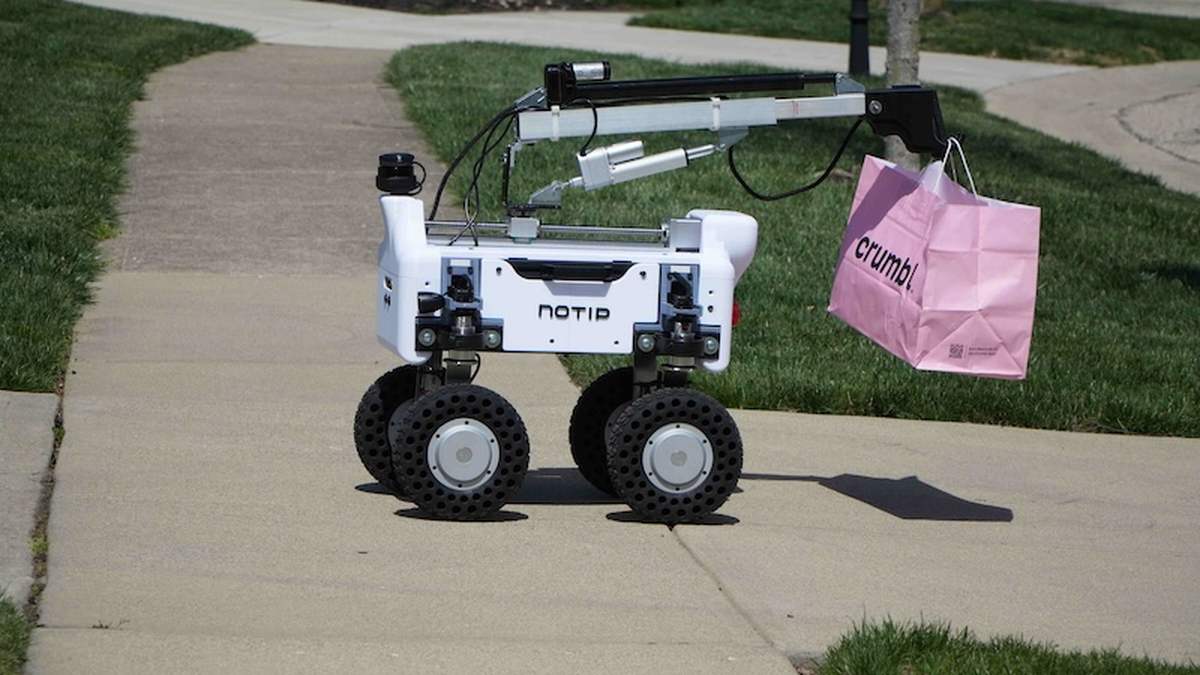
TL;DR: NoTip launched a public beta for robotic food delivery in Mason, Ohio, with local economic development support and restaurants invited to join. The company wants customers to order through its app or website while restaurants avoid the fees and tipping friction of conventional delivery platforms, turning a suburban pilot into a visible service-robot testbed for meals. Read more →
Factory Hands Learn Touch

TL;DR: Tacta Systems unveiled TactaBot, an AI-powered robotic hand aimed at high-value manufacturing jobs where fragile, irregular, or expensive parts make automation difficult. The system combines proprietary tactile sensors with what the company calls Zero Code Automation, letting operators teach delicate tasks by physically guiding the hand instead of writing robot programs for every workflow. Read more →
Fashion Warehouses Go Robotic
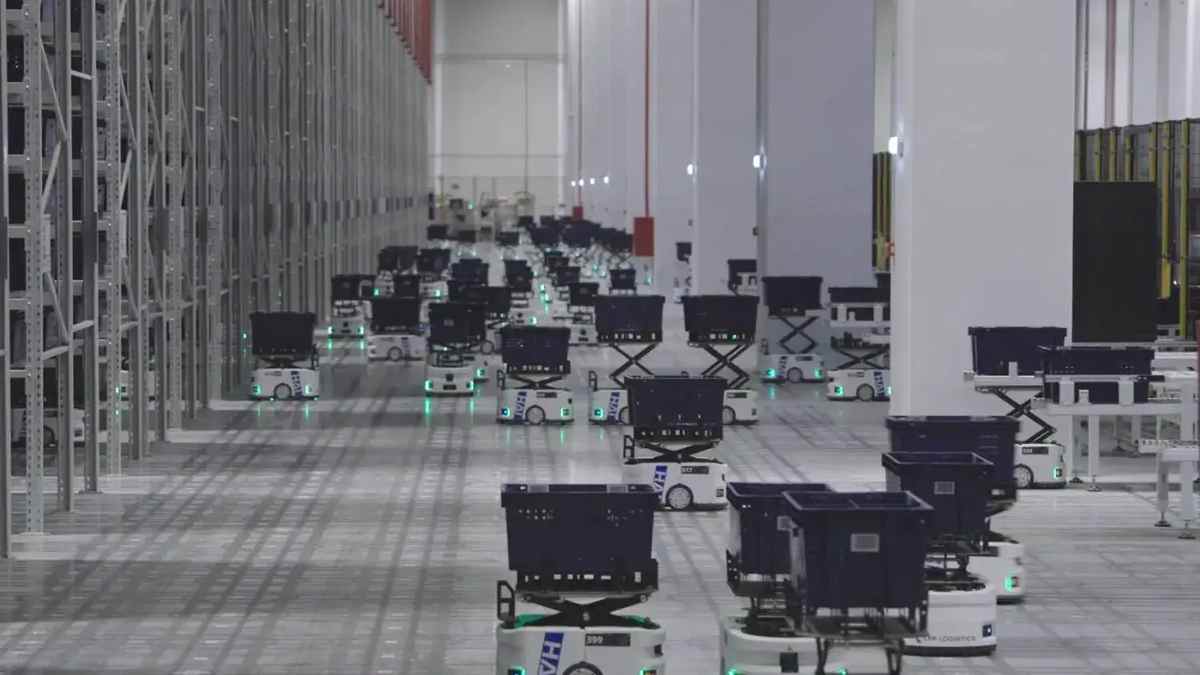
TL;DR: LPP Logistics’ Romania fulfillment center now runs on HAI Robotics’ HaiPick System 3, combining 278 case-handling robots with 670 fast-transit companion AMRs. The system supports more than 625,000 automated storage locations and capacity for 7.5 million items, showing apparel logistics moving deeper into goods-to-person automation across Southeastern Europe. Read more →
Robot Brains Get Packaged
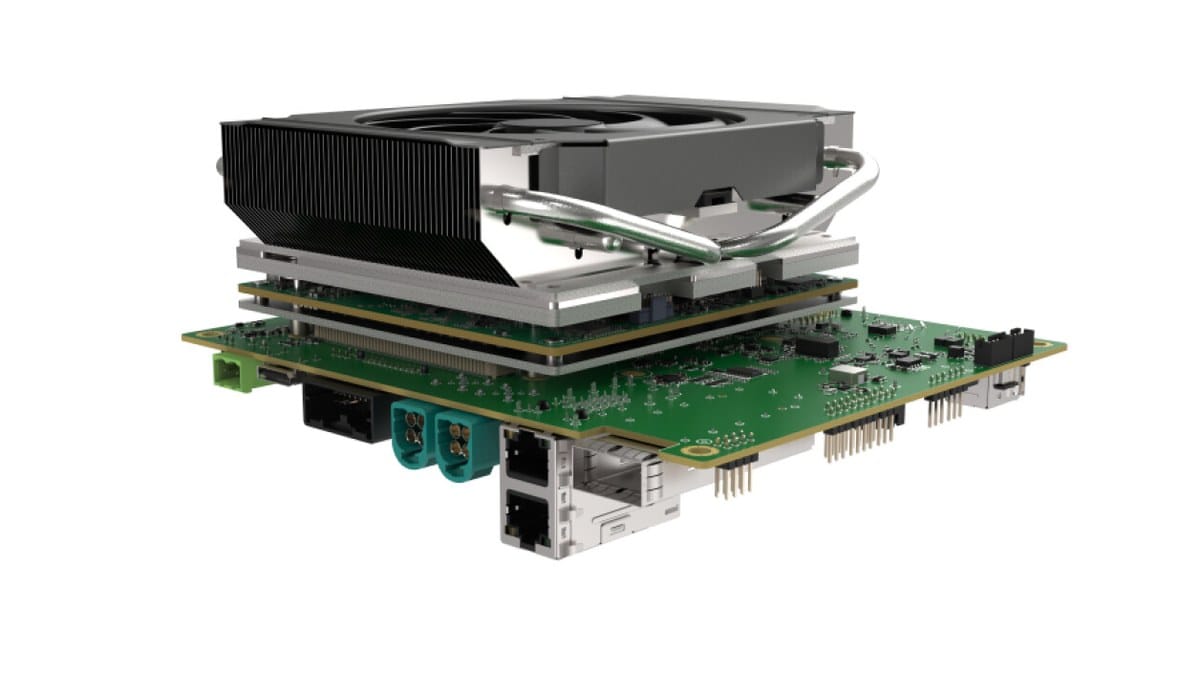
TL;DR: SAPPHIRE Technology introduced EDGE+ Apex, a production-ready robotics platform built around AMD Ryzen AI Embedded X100 processors. The stack pairs COM-HPC compute with a robotics carrier board, FPGA-based I/O, cameras, CAN-FD, EtherCAT, and onboard sensing, aiming to move physical AI systems from prototype to continuous deployment. Read more →
Humanoids Lose The Overhead Bin

TL;DR: United Airlines and Delta Air Lines are banning humanoid robots from flights as carry-ons, checked bags, or cargo, following earlier restrictions by Southwest. The rules separate human-like robots from ordinary electronics and smaller robotic devices, showing airlines scrambling to define how battery-powered humanoids should be screened, stored, and safely handled in transit. Read more →
READ MORE
Let the Future Come to Your Inbox
Stay ahead without drowning in information. We turn the most important signals across AI, tech, marketing, and future products into 5-minute reads you can actually finish.
- AI Secret uncovers what really matters in AI
- Bay Area Letters decodes tech and business shifts from Silicon Valley
- Robotics Herald tracks how robots move from labs into daily life
- Marketing Secret breaks down real growth and go-to-market playbooks
- The Hardwire explores hardware, consumer tech, and what’s coming next
TOGETHER WITH US
AI Secret Media Group is the world’s #1 AI & Tech Newsletter Group, reaching over 2 million leaders across the global innovation ecosystem, from OpenAI, Anthropic, Google, and Microsoft to top AI labs, VCs, and fast-growing startups.
We've helped promote over 500 Tech Brands. Will yours be the next?
Email our co-founder Mark directly at mark@aisecret.us if the button fails.