🤖 Snail Robots Target Tumors

Good Morning, Roboticists!
Intelligence is emerging directly from matter, machines, and systems, reducing the human role from creator to observer.
Snail Robots Target Tumors
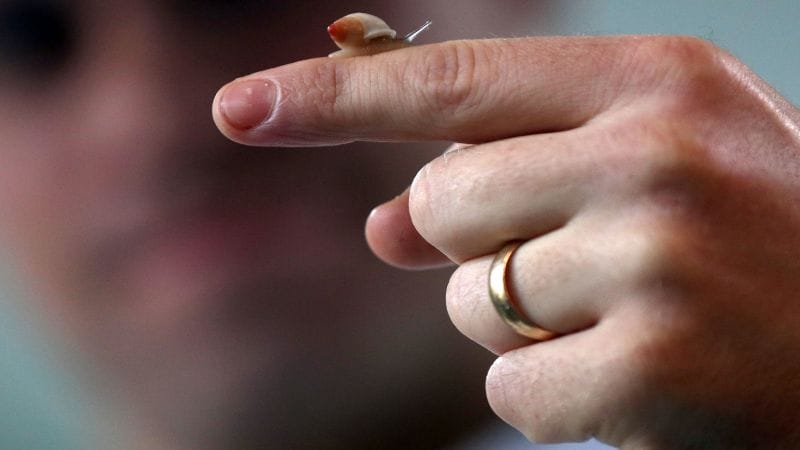
TL;DR: Researchers at the University of Manchester are developing snail-inspired soft robots that move using wave-like, mucus-based motion to navigate the human body. Designed to anchor in tumors and release drugs precisely, the project aims to improve colorectal cancer treatment by increasing drug accuracy and reducing side effects, using magnetic control, biomaterials, and digital simulations.
Claude First Just Drove on Mars
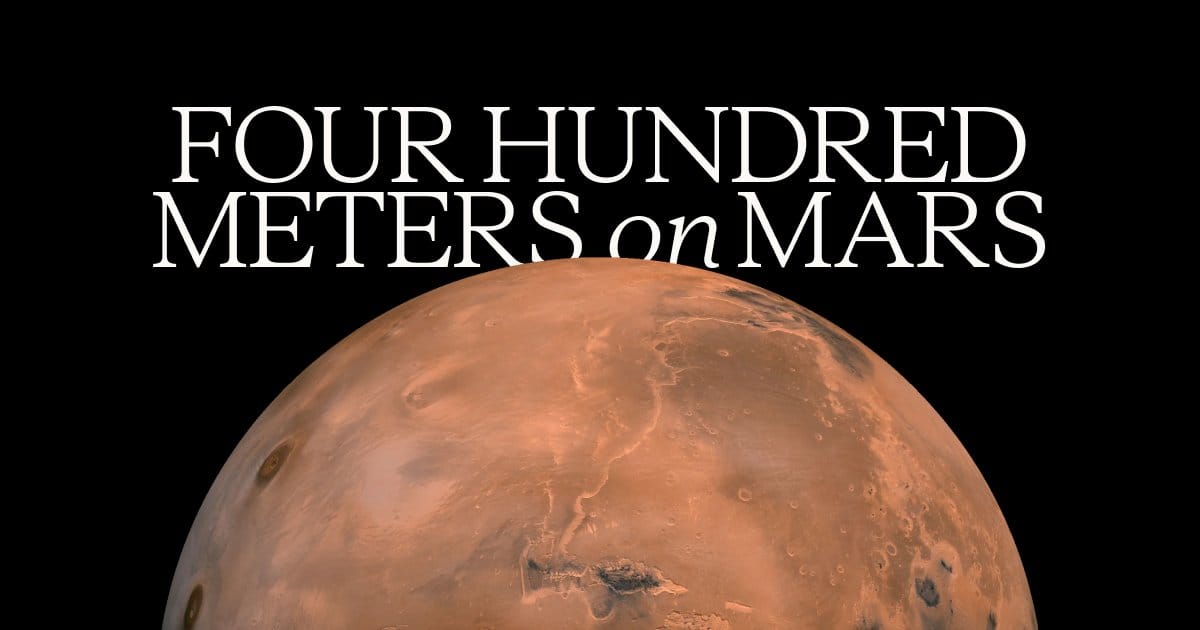
TL;DR: Anthropic’s Claude helped NASA plan a 400-meter drive for the Perseverance rover on Mars, marking the first time an AI generated navigation commands on another planet. Using mission data and images, the model wrote waypoint instructions that passed simulation checks and required only minor edits, successfully guiding the rover across challenging terrain.
Drones Learn to See in Darkness
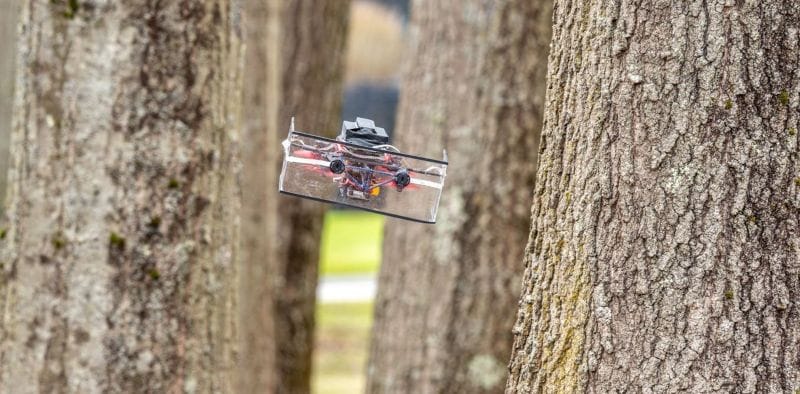
TL;DR: Researchers developed an ultrasound-based navigation system inspired by bat echolocation, allowing tiny drones to operate in smoke, dust, or complete darkness where cameras and lidar fail. Using acoustic shielding and an AI model to recover weak signals, the system enables low-power, precise obstacle detection, opening new possibilities for search and rescue and autonomous exploration.
Physical Intelligence Nears $1B Raise
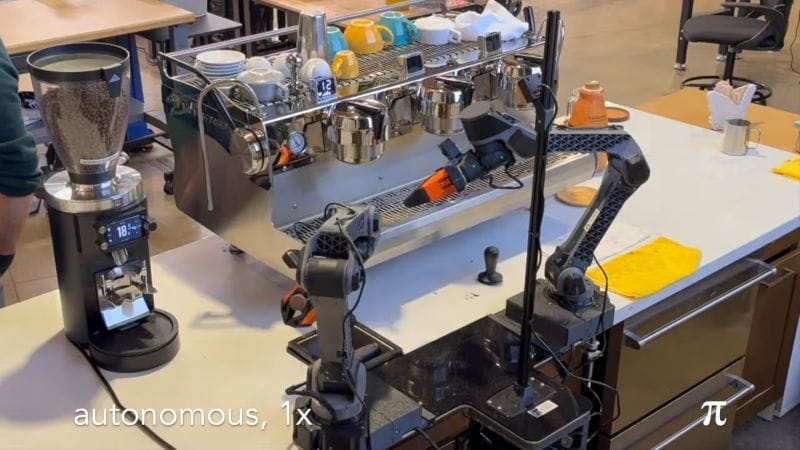
TL;DR: Physical Intelligence, a San Francisco robotics startup founded by former DeepMind researchers, is negotiating a $1 billion funding round that could push its valuation above $11 billion, roughly doubling it within months. Backers include Founders Fund and Thrive Capital, as the company builds vision-language-action models aimed at enabling robots to operate autonomously in complex, real-world environments.
Brain-Free Microrobots Move Smart
TL;DR: Researchers at Leiden University developed microrobots thinner than a human hair that move, adapt, and navigate without any brain, sensors, or code. Built as flexible chain-like structures, their behavior emerges purely from physical design and environmental interaction, enabling obstacle avoidance and lifelike motion, with potential applications in targeted drug delivery and minimally invasive medical procedures.
Robotics Tourist Guide
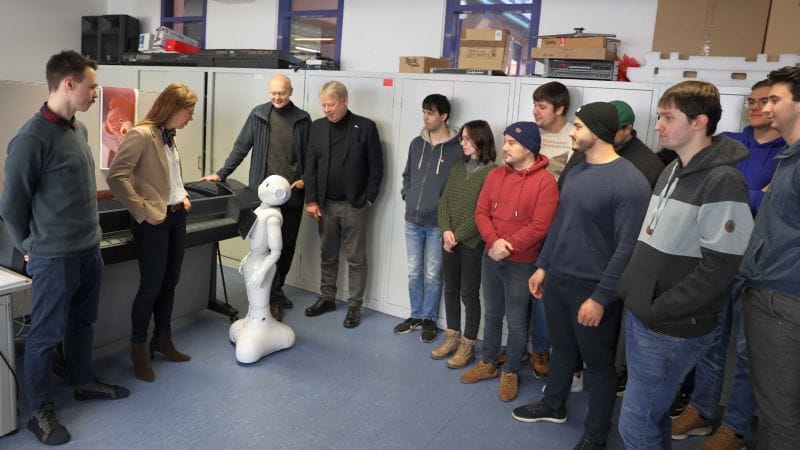
TL;DR: Students in Bremerhaven adapted the 4-foot humanoid robot Pepper into an interactive tourism guide that can answer questions, read gestures and facial expressions, and display information via QR codes. Powered by system prompts and Gemini for speech, the robot navigates mapped areas to assist visitors.
Naver Grounds Robots in Reality
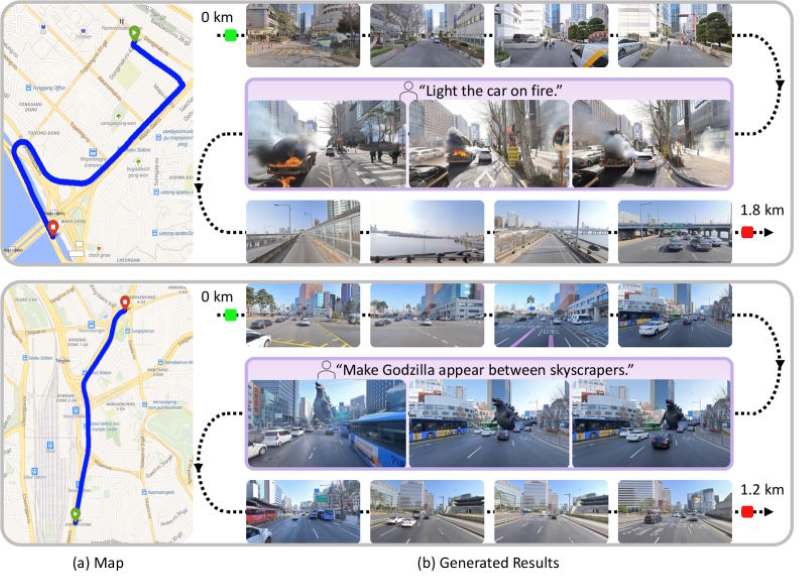
TL;DR: Naver introduced the Seoul World Model, using 1.2 million Street View images to generate location-based videos anchored in real city geometry. By separating stable structures from transient objects and maintaining consistency over distance, the system reduces hallucination and improves spatial accuracy, offering a foundation for robots and embodied AI to navigate and act reliably in real-world environments.
Solar Construction Just Got Faster
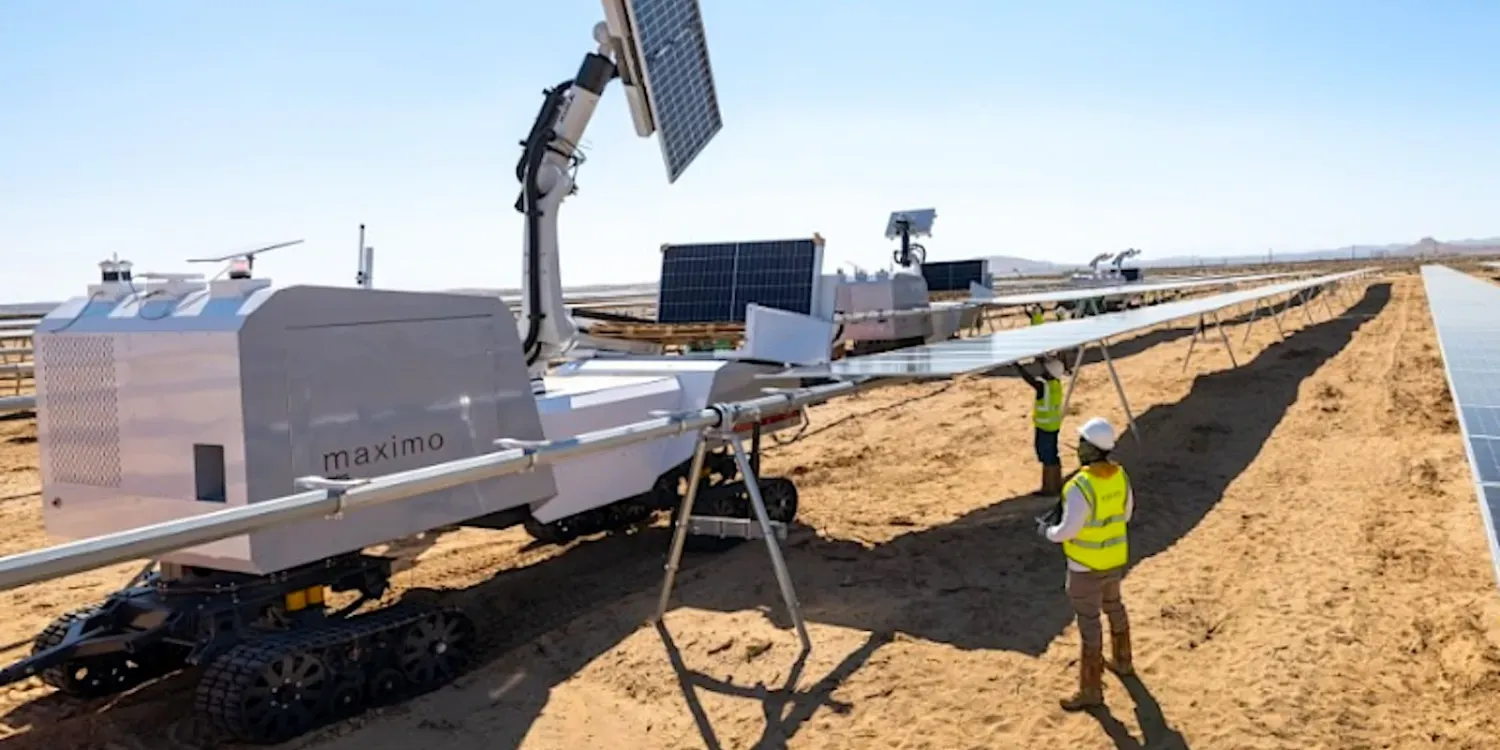
TL;DR: Maximo robots installed 100 MW of solar capacity at the AES Bellefield project, marking one of the largest real-world deployments of construction robotics in solar. Using AI, vision systems, and simulation tools, the system achieved installation rates of one panel per minute, nearly doubling traditional productivity while continuously improving performance through real-time operational data.
READ MORE
Let the Future Come to Your Inbox
Stay ahead without drowning in information. We turn the most important signals across AI, tech, marketing, and future products into 5-minute reads you can actually finish.
- AI Secret uncovers what really matters in AI
- Bay Area Letters decodes tech and business shifts from Silicon Valley
- Robotics Herald tracks how robots move from labs into daily life
- Marketing Secret breaks down real growth and go-to-market playbooks
- The Hardwire explores hardware, consumer tech, and what’s coming next
TOGETHER WITH US
AI Secret Media Group is the world’s #1 AI & Tech Newsletter Group, reaching over 2 million leaders across the global innovation ecosystem, from OpenAI, Anthropic, Google, and Microsoft to top AI labs, VCs, and fast-growing startups.
We've helped promote over 500 Tech Brands. Will yours be the next?
Email our co-founder Mark directly at mark@aisecret.us if the button fails.