🤖 The 2025 Robot Road

Good Morning, Roboticists!
From plug-and-play humanoid modules to the most humanlike machines ever built, 2025 marked the moment the field stopped wandering and started accelerating.
RECAP
Humanoid Robots Drew Crowds But Still Missed Reality
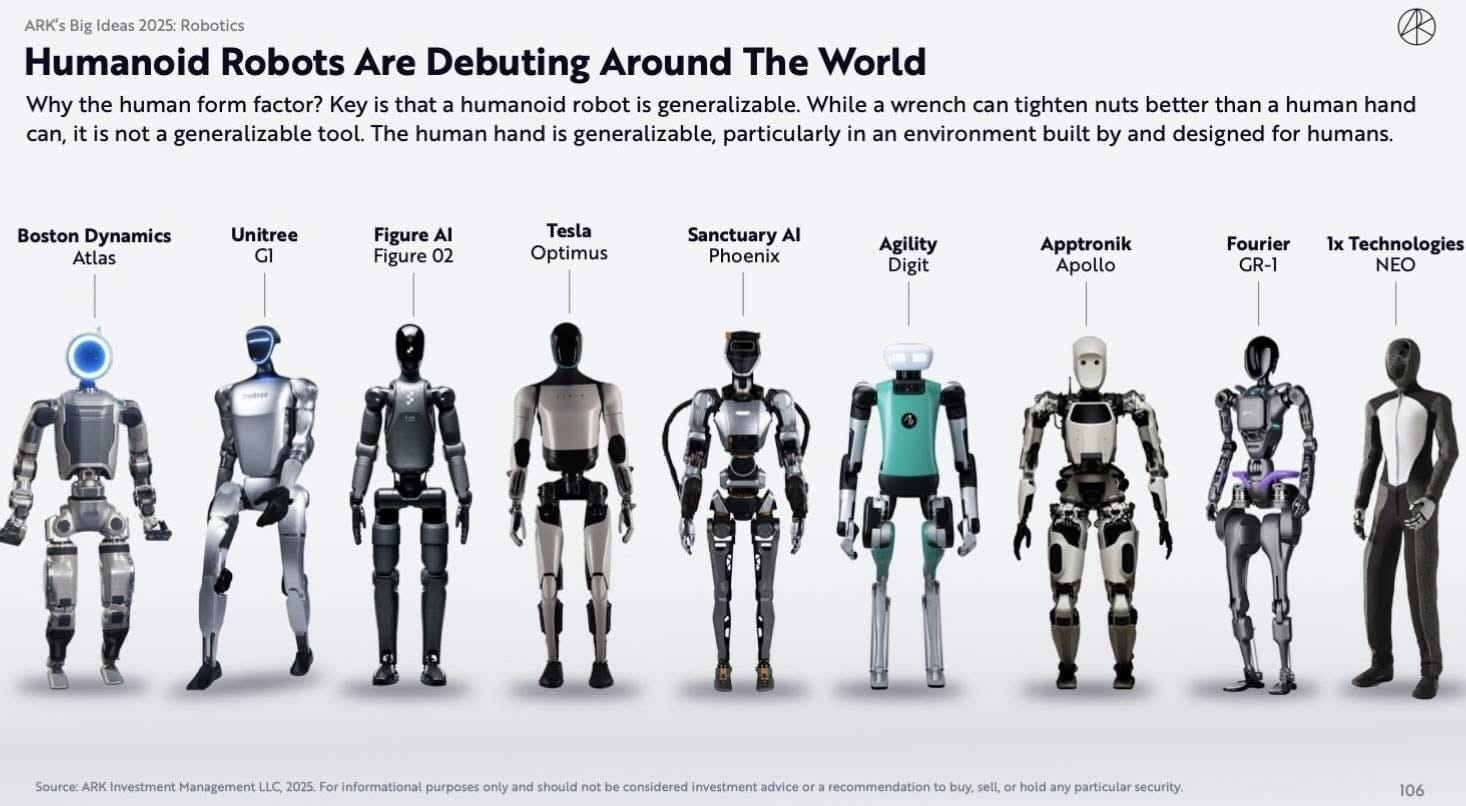
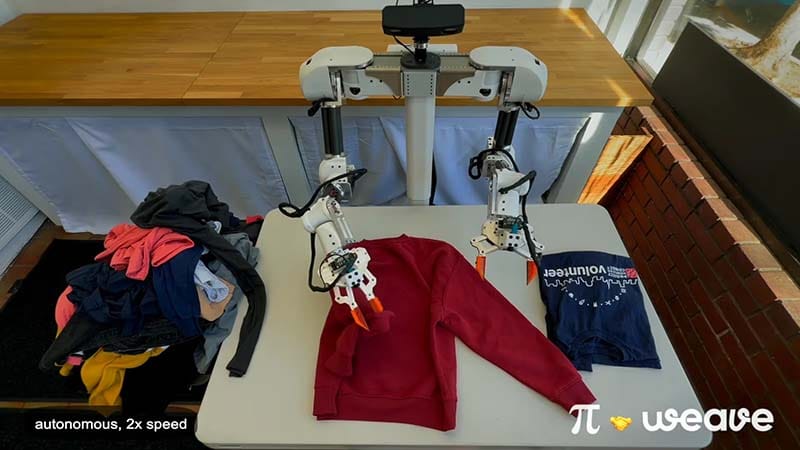
In 2025, humanoid robots dominated demos, timelines, and keynote stages. The moment that stuck was Elon Musk’s Optimus collapsing onstage, a reminder that much of this progress is still fragile. Companies rolled out increasingly humanlike machines that could dance, fold laundry, or hand out drinks, often with careful scripting or remote help. China leaned in hard, treating embodied AI as an economic pillar, while US tech firms framed humanoids as the next platform shift. It felt louder than previous cycles because more money, more actors, and more visible machines were involved.
The hype is colliding with real constraints. A single humanoid can cost anywhere from $1,400 at the low end in China to $20,000 for consumer models from 1X or Unitree. True autonomy remains rare. Most systems still rely on teleoperation and curated environments. The missing piece is data. Unlike text or images, physical world data is scarce, slow to collect, and expensive. That bottleneck caps deployment and keeps robots out of everyday workflows.
Our take is that this cycle does not crash, but it stretches. Falling hardware costs and better models will push more robots into factories, labs, and a few homes, mostly to harvest data. If that loop works, autonomy improves gradually. If not, humanoids stay impressive toys. The risk is not failure. It is years of capital locked into machines that still need humans behind the curtain.
HUMANOIDS
A Modular Humanoid Resets Expectations for Real Deployment
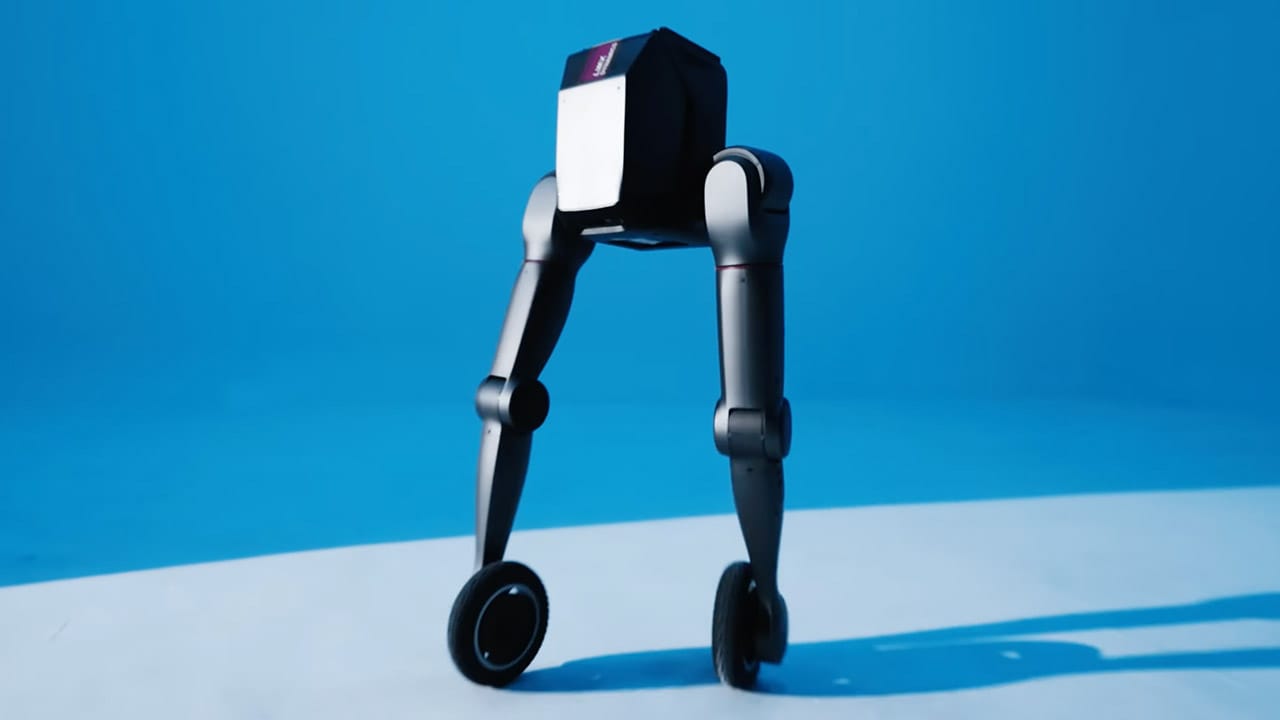
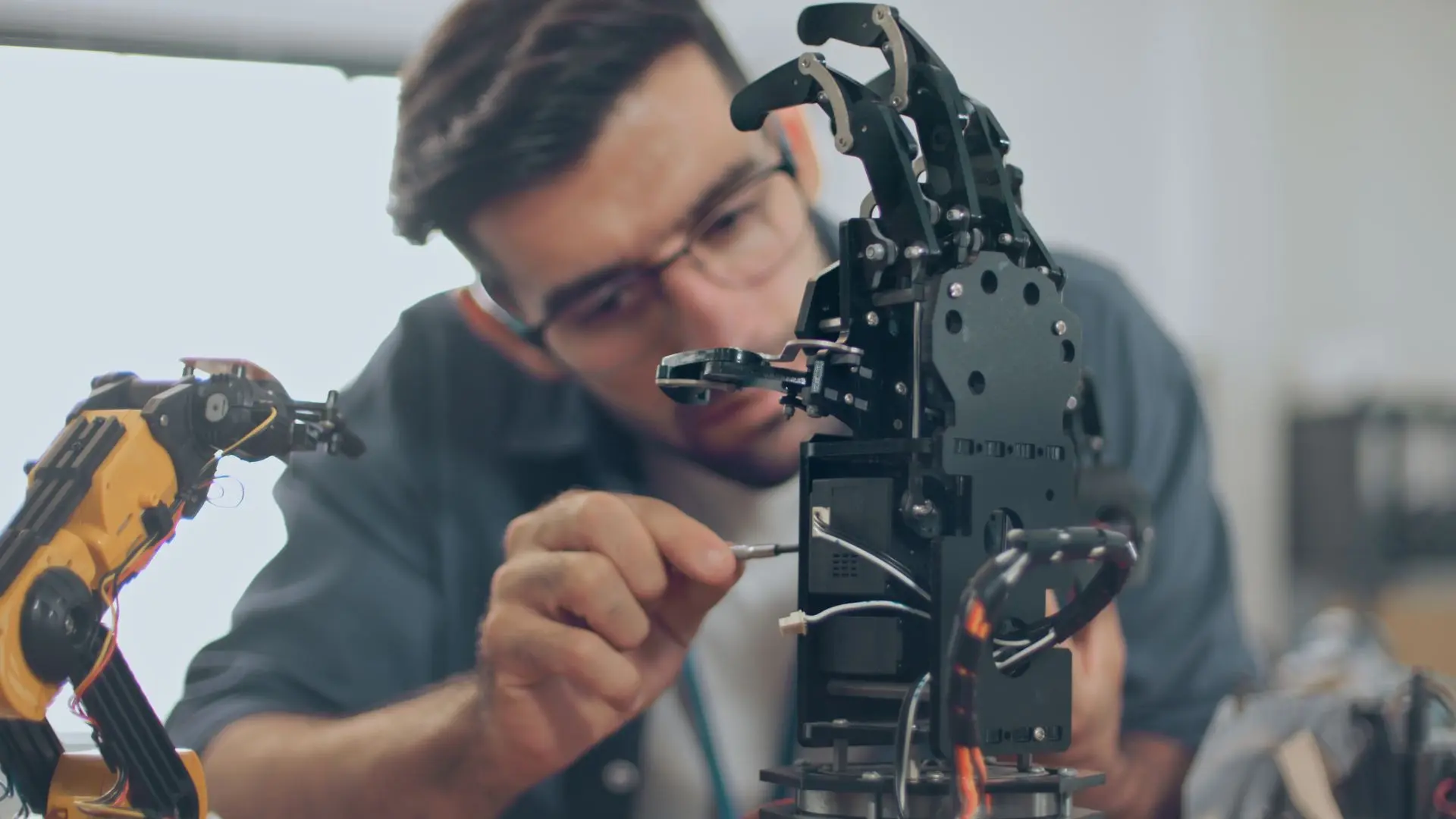
LimX Dynamics has released TRON 2, a humanoid robot that can physically reconfigure itself depending on the job. It ships as one core system that can become a dual arm desktop robot, a fast wheeled carrier, or a two legged humanoid that handles stairs. Each arm has seven joints and humanlike wrists, reaches 70 centimeters, and lifts 10 kilograms, or up to 30 with wheels. Cameras, planning software, and safety limits are built in. Battery life is up roughly 80 percent from the prior model. The price is also blunt. Around $20,000 for dual arm. About $25,000 for all three modes.
It cuts across how labs and companies usually buy robots. Instead of one platform per task, TRON 2 collapses manipulation, mobility, and perception into one system. That changes budgets and workflows. A lab that once needed a $15,000 arm, a $30,000 mobile base, and months of integration can now train on one body. Developers can program in Python, simulate first, then deploy. Teleoperation latency sits around 50 to 100 milliseconds, which is usable for real work.
This pattern shows that humanoids stop being demos and start becoming infrastructure. Modular bodies mean faster iteration and broader deployment. The risk shifts from hardware feasibility to software maturity and supply. Once platforms like this spread, the bottleneck becomes training, not mechanics.
HUMANLIKE
China’s “Most Humanlike” Robot Leaves the Demo Stage
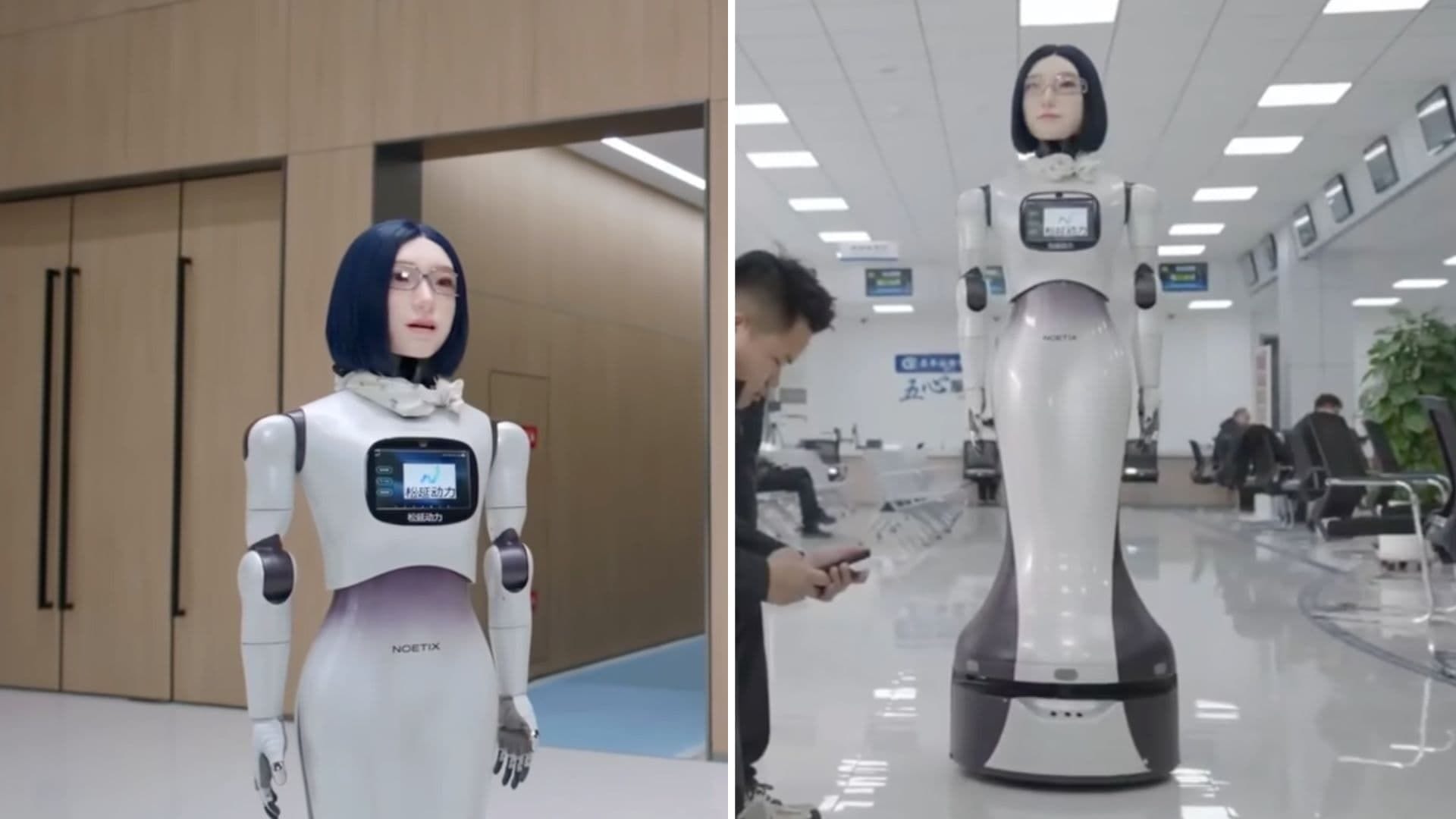
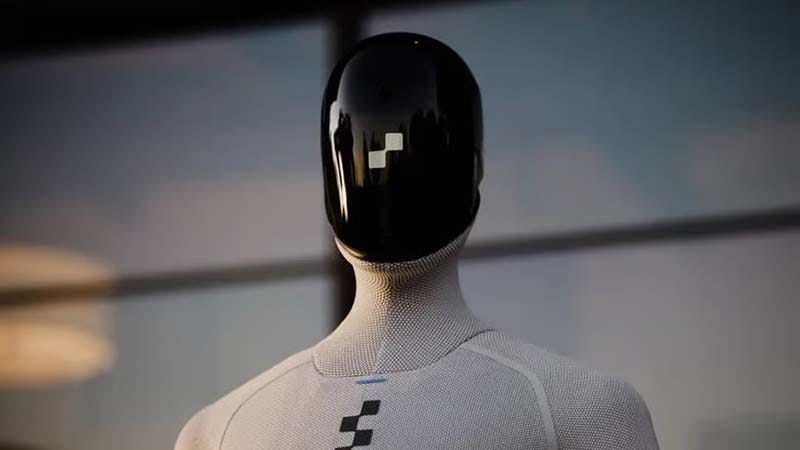
Noetix Robotics has released Hobbs W1, a service humanoid designed to operate in real commercial settings rather than controlled labs. The headline feature is its face. Skin toned, expressive, and deliberately human, paired with dexterous hands and a proportioned body meant to stand at counters or greet customers. This feels different because it is not framed as a research milestone. It is framed as something meant to show up at work and interact with people all day.
What matters is not the specs but the design choice. Most humanoids hide behind metal shells or cartoon faces. Hobbs W1 goes the other direction and tries to close the last gap. That stresses assumptions about where automation is allowed to live. Service roles rely on trust, eye contact, and social cues more than raw strength. If a robot can plausibly pass those moments, even imperfectly, it starts competing with human labor in places factories never touched.
This is probably the “most humanlike” robot to actually land in the real world so far. That is also the problem. It works, but it is unsettling. Too close, not close enough. If this path continues, the industry will have to confront the uncanny cost of realism versus usability. The risk is not technical failure. It is social rejection at scale.
QUICK HITS
- Aptiv and Vecna Robotics are partnering to develop next-generation autonomous mobile robots for industrial automation.
- Libiao Robotics has launched Europe’s first AirRob automated warehouse in Czechia, demonstrating its high-density goods-to-person solution.
- UK actors voted to reject digital scans without stronger AI safeguards, highlighting ongoing industry disputes over AI use in replicating performers.
- The University Hospital of North Tees has completed a £6.5m robotic operating theatre with an 11-bed recovery area.
- NūMove introduced a layer depalletizing robot tool combining suction, clamping, and forks to boost flexibility in high-throughput logistics.
TOGETHER WITH US
AI Secret Media Group is the world’s #1 AI & Tech Newsletter Group, reaching over 2 million leaders across the global innovation ecosystem, from OpenAI, Anthropic, Google, and Microsoft to top AI labs, VCs, and fast-growing startups.
We operate the industry’s most influential portfolio of newsletters, each shaping a different frontier of the AI & Tech revolution:
Be Smarter in 5 Minutes
- AI: AI Secret
- Tech & Business: Bay Area Letters
- Marketing: Marketing Secret
Discover the Future Products
- AI Launchpad: Oncely
- Robotics: Robotics Herald
- Hardwares: The Hardwire
We've helped promote over 500 Tech Brands. Will yours be the next?
Email our co-founder Mark directly at mark@aisecret.us if the button fails.