
🤖 Apollo Sorts Mercedes Parts

Good Morning, Roboticists!
Mercedes has humanoid robots sorting car parts. The next luxury upgrade might be a vehicle assembled entirely by machines that can't afford to drive it.
Apollo Sorts Mercedes Parts
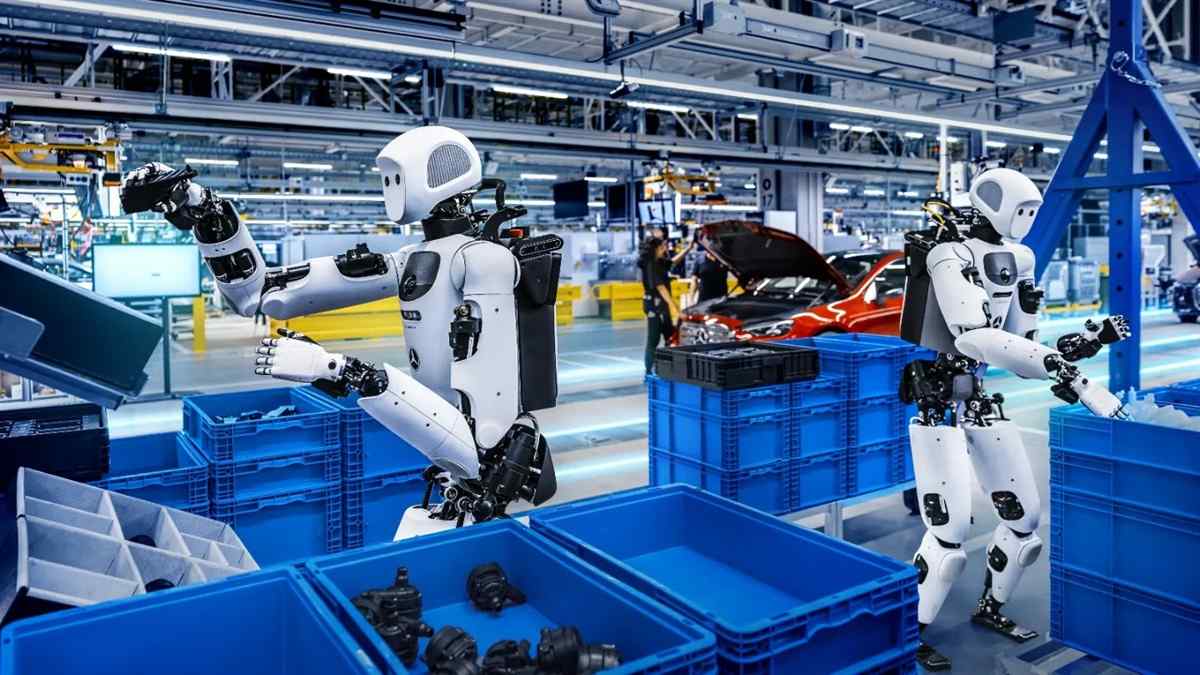
TL;DR: Apptronik’s Apollo 2 pulled metal brackets from bulk bins and sorted them into trays on active Mercedes-Benz production lines in Germany and Hungary. Google DeepMind reports 96% success in the pilot using Gemini Robotics 2.5. The company also evaluated the model across about 200 distinct tasks and is rolling it out to its robotics partners. Read more →
Welding Pulls In $300 Million
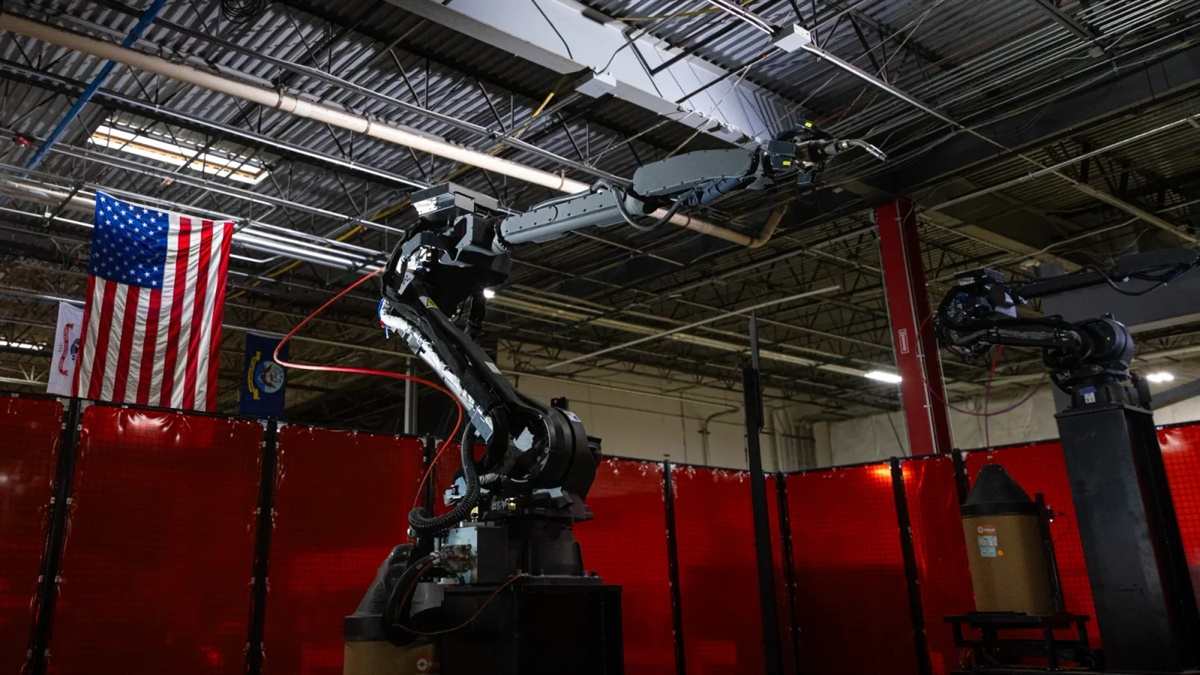
TL;DR: Path Robotics raised $300 million in a Series E led by Georgian, valuing the Ohio welding automation company at $2.45 billion after the investment. Path says annual recurring revenue grew seventeenfold in 18 months and lists HII and Lockheed Martin as customers. The funding will support more welding deployments and development of robots for other factory tasks. Read more →
Solar Robots Get More Jobs
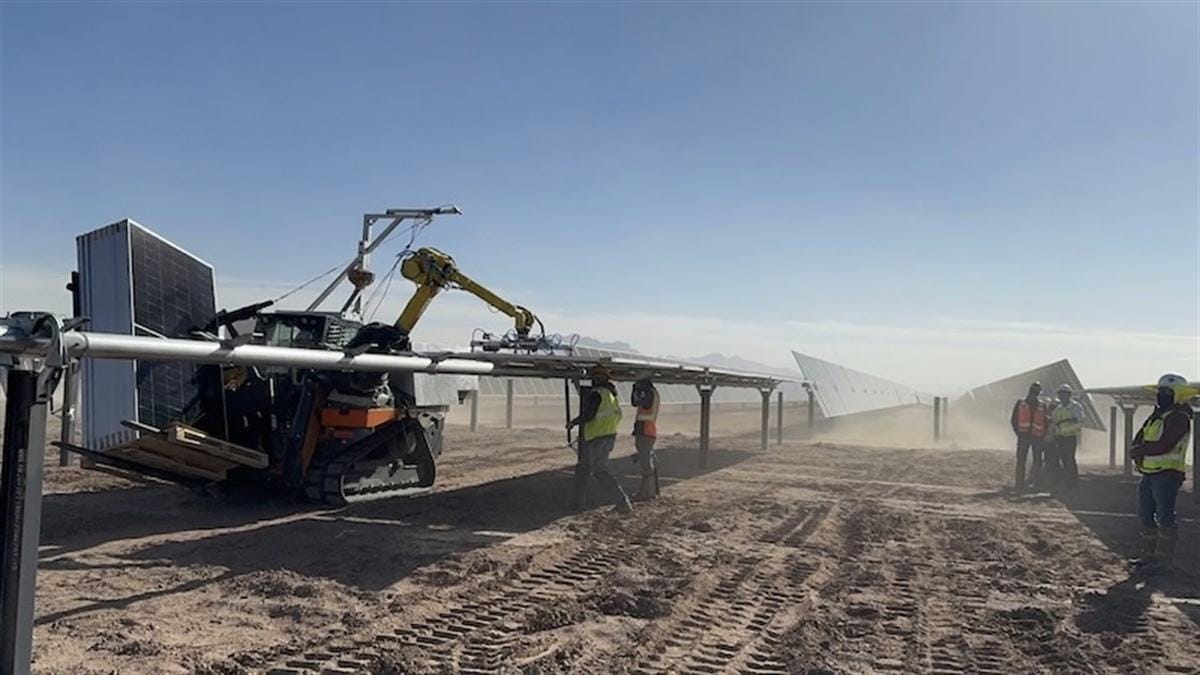
TL;DR: MasTec Renewables is expanding its work with Gritt after testing robotic attachments during the installation of megawatts of solar panels on active job sites. The attachments fit conventional construction equipment and handle tasks such as picking and placing, with crews guiding and checking the work. The expansion starts with utility-scale solar projects across several US states. Read more →
Drones Find the Missing Shoes
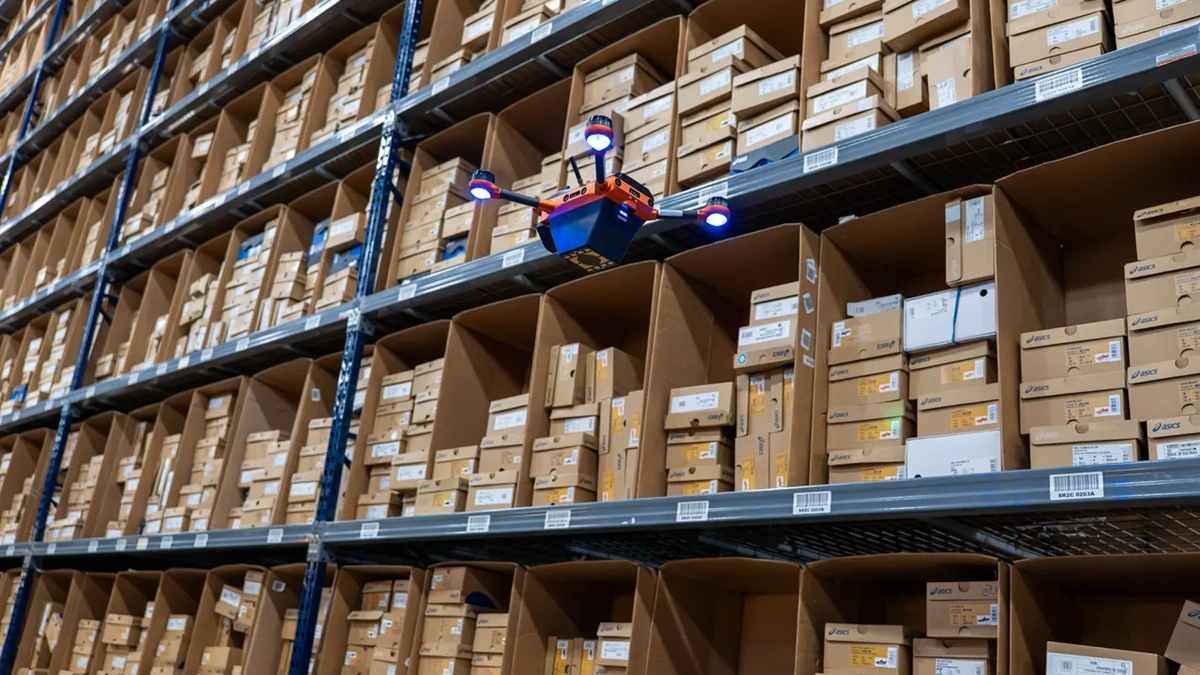
TL;DR: At ASICS America’s Mississippi distribution center, Corvus One drones scan barcodes and count shoeboxes during nightly flights. Two storage areas that used to be counted twice a year are now checked monthly. ASICS reports finding misplaced inventory about 60% faster and redirecting roughly 200 hours of counting work each month toward investigating discrepancies and reconciling stock. Read more →
Britain Funds an Undersea Watch

TL;DR: Britain announced £90 million for Atlantic Net, a Royal Navy program that will combine uncrewed systems, underwater sensors, and AI to watch the North Atlantic. A framework with Ocean Infinity Solutions brings those systems together with remote operations and data services. The network is intended to spot submarine activity earlier and help protect undersea cables and energy links. Read more →
Two Hospitals Buy Spine Robots
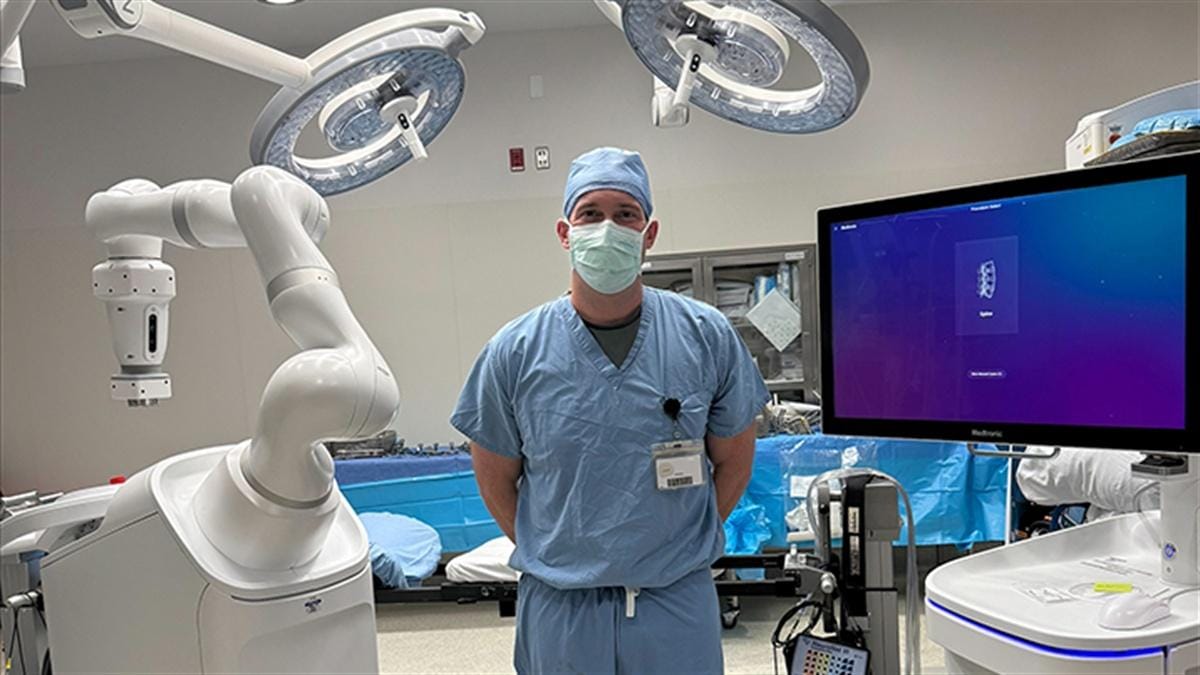
TL;DR: Allegheny Health Network put two Medtronic Stealth AXiS systems into use at Allegheny General Hospital and AHN Wexford in western Pennsylvania. Each system cost $1.6 million. Spine surgeons use the platform to plan screw placement, track anatomy during procedures, and guide bone cuts. The systems support both minimally invasive and open procedures across the two hospitals. Read more →
Ring Puts Patrols on Wheels
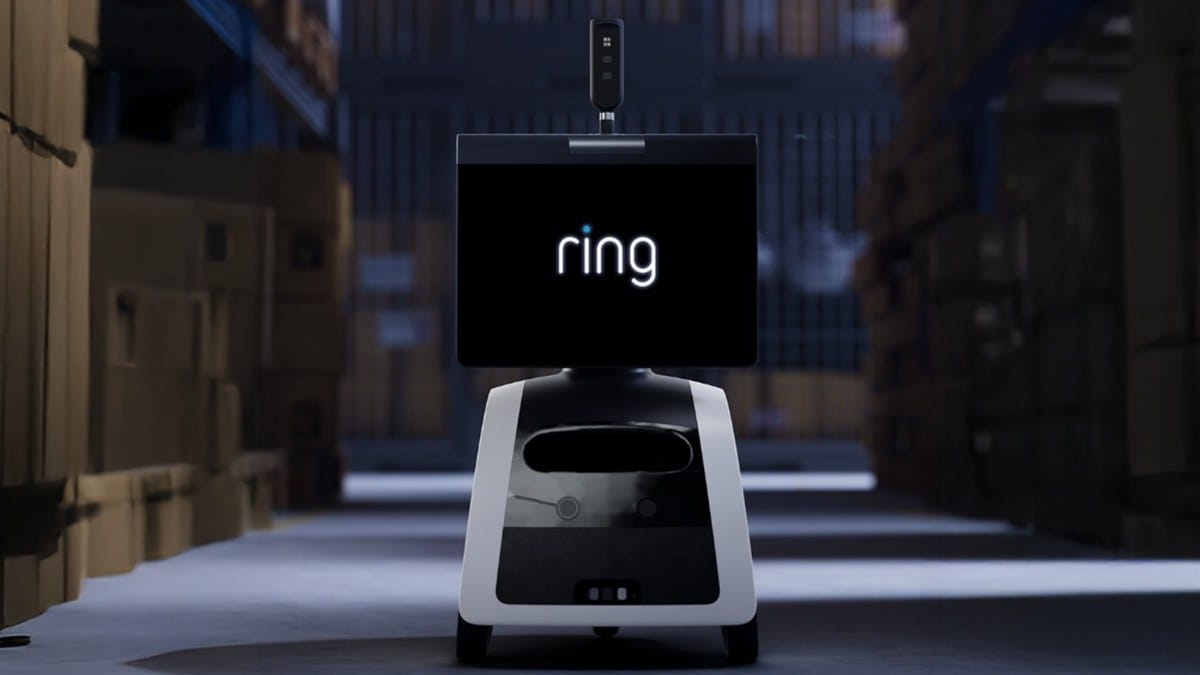
TL;DR: Ring is taking preorders for a $999.99 wheeled security robot that patrols businesses and checks preset locations when a connected alarm or sensor trips. The Rover Cam uses an adjustable camera mast to see over counters and streams up to 4K video while moving. Ring says US shipments are scheduled to begin December 16, 2026. Read more →
Three Sensors Share One Vocabulary
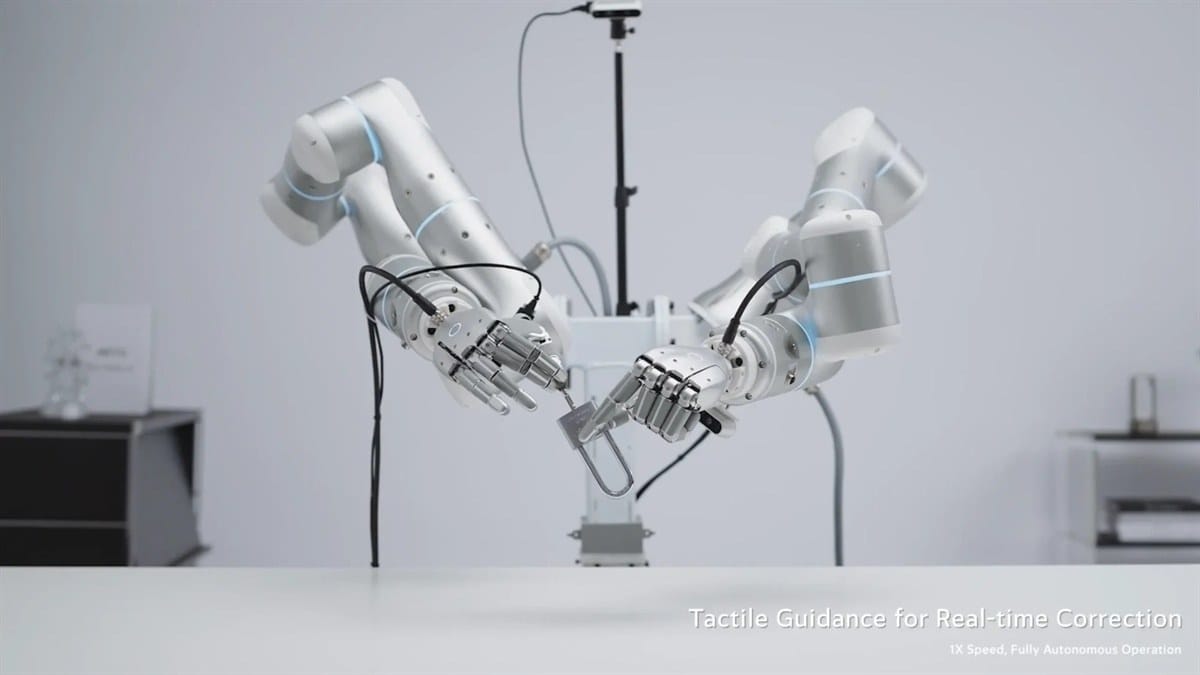
TL;DR: Robbyant released LingBot-Touch, an open tactile model that translates signals from magnetic, camera-based, and piezoresistive sensors into a shared representation. Trained on 4,983 hours of touch recordings, it improved four control policies across 26 real-robot tasks. The team also reused the encoder on a robotic hand whose specific magnetic sensor was absent from the training data. Read more →
A Soft Arm Learns Offline
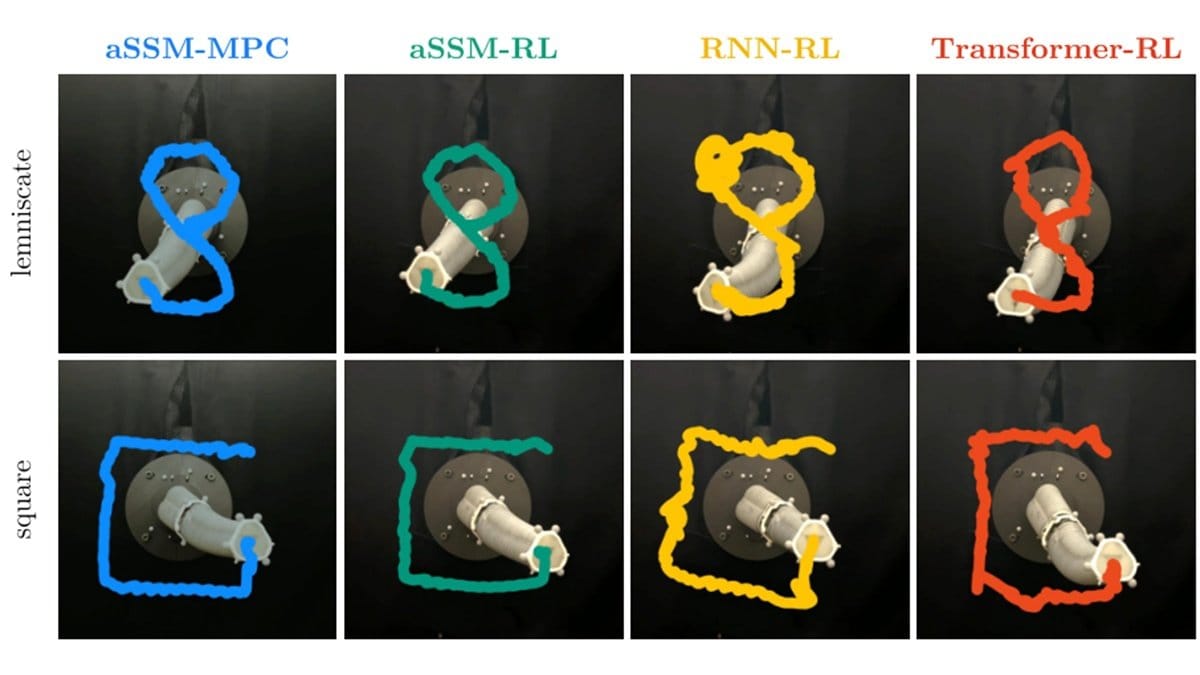
TL;DR: ETH Zürich researchers built a compact simulator from measurements of a pneumatic robot arm, then used it to train a tracking policy in three hours. The policy transferred directly to the physical arm and traced squares and figure eights. Across those tests, tracking error was 40% lower than with the strongest neural network model used for comparison. Read more →
The Lab Robot Reads Labels
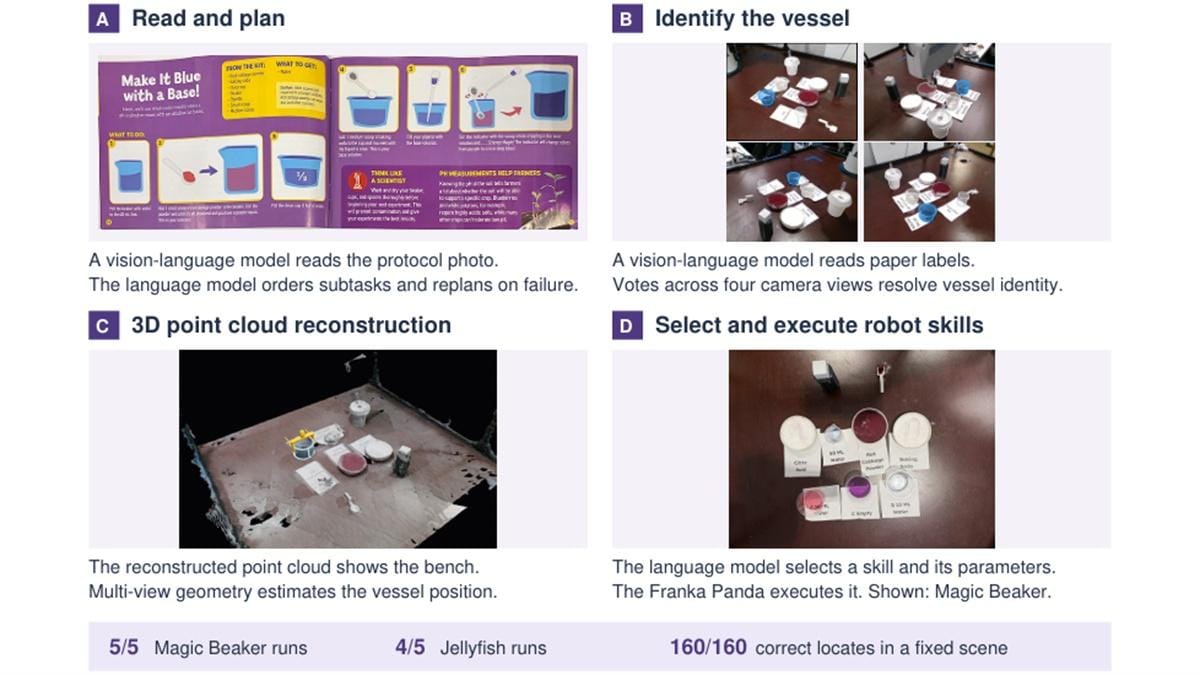
TL;DR: A Carnegie Mellon system lets a Franka Panda arm read a photographed chemistry protocol and identify similar-looking containers from their labels. The robot checked the bench again before each step. It completed five of five runs of one children’s chemistry kit experiment and four of five of another, with the successful runs requiring no human intervention. Read more →
TOGETHER WITH US
AI Secret Media Group is the world’s #1 AI & Tech Newsletter Group, reaching over 2 million leaders across the global innovation ecosystem, from OpenAI, Anthropic, Google, and Microsoft to top AI labs, VCs, and fast-growing startups.
We've helped promote over 500 Tech Brands. Will yours be the next?
Email our co-founder Mark directly at mark@aisecret.us if the button fails.