
🤖 Five Demos Teach New Tricks
Good Morning, Roboticists!
NVIDIA taught robots to learn from humans. The first lesson should probably be how to look busy when the boss walks past.
Five Demos Teach New Tricks
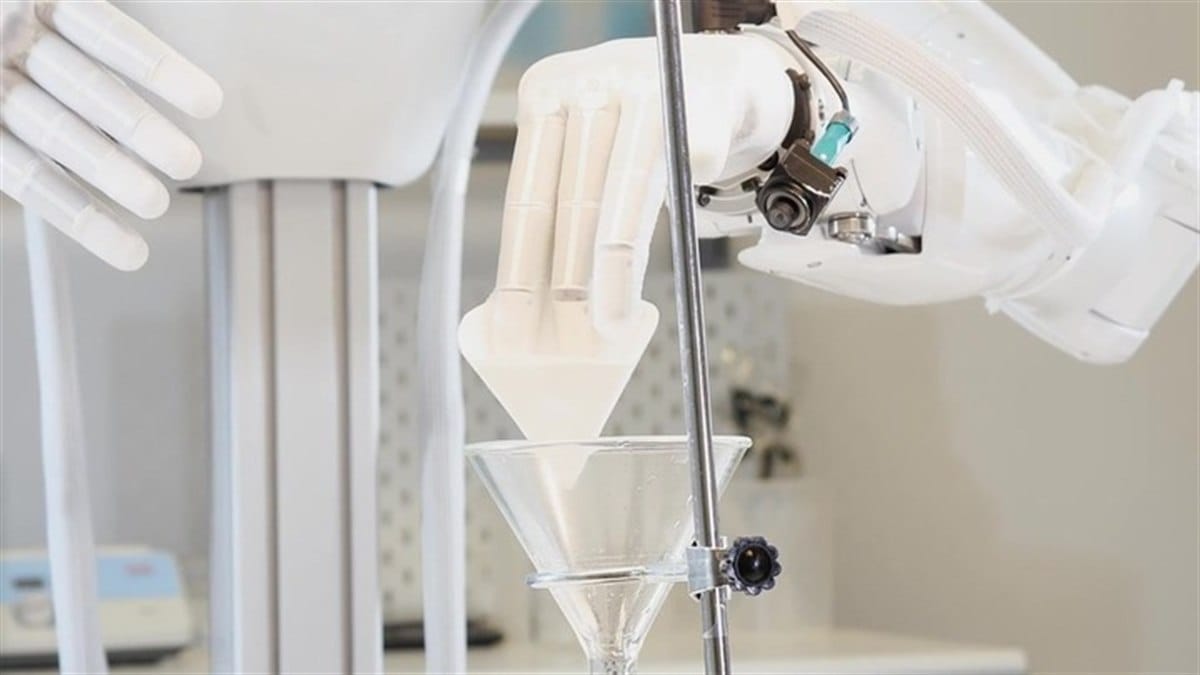
TL;DR: NVIDIA introduced GR00T 2 at CoRL, letting robots learn skills demonstrated by humans or different machines. Across 50 tasks unseen on the target robot, five demonstrations raised average success from 40% to 95% after a 30-minute fine-tune on one RTX 5090. The company plans to release model weights in December; its human-video dataset and collection hardware designs are available now. Read more →
The First Order Is $315 Million
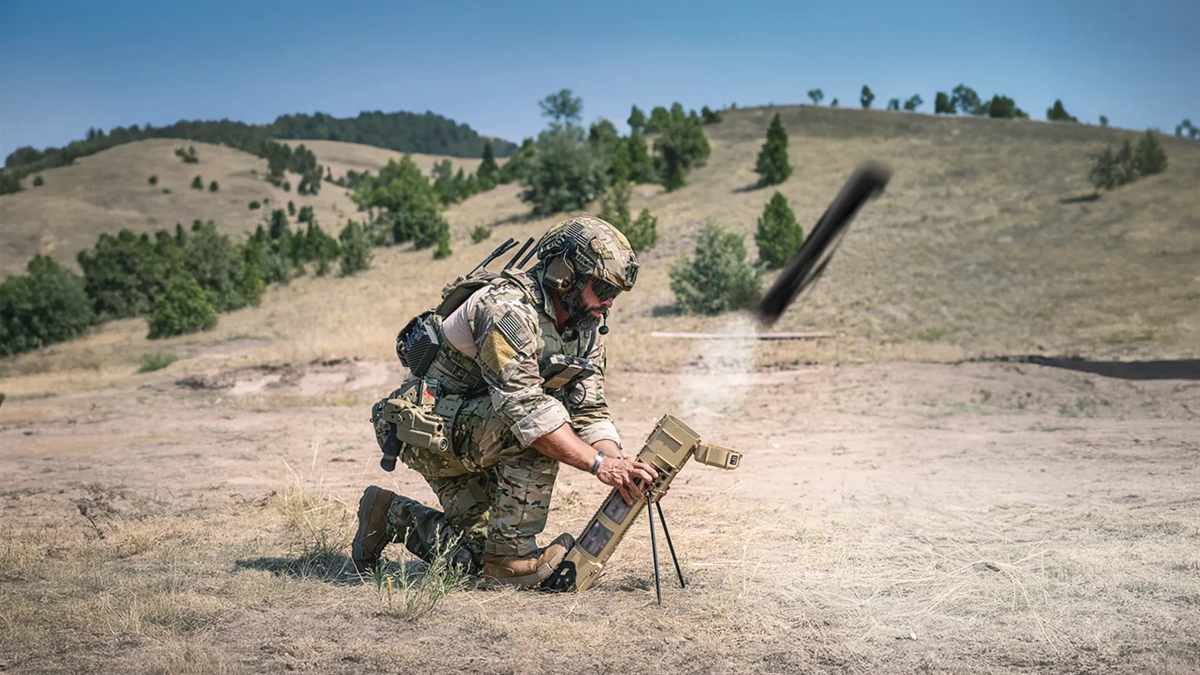
TL;DR: AeroVironment secured an initial award worth approximately $315 million under a multiyear contract with a $940 million ceiling. The work supports deliveries and services through its Autonomous Systems segment. The U.S. customer, specific systems and quantities remain undisclosed. Future orders depend on funding and customer decisions, so the headline ceiling should not be mistaken for revenue already secured. Read more →
NXP Packages the Drone Build
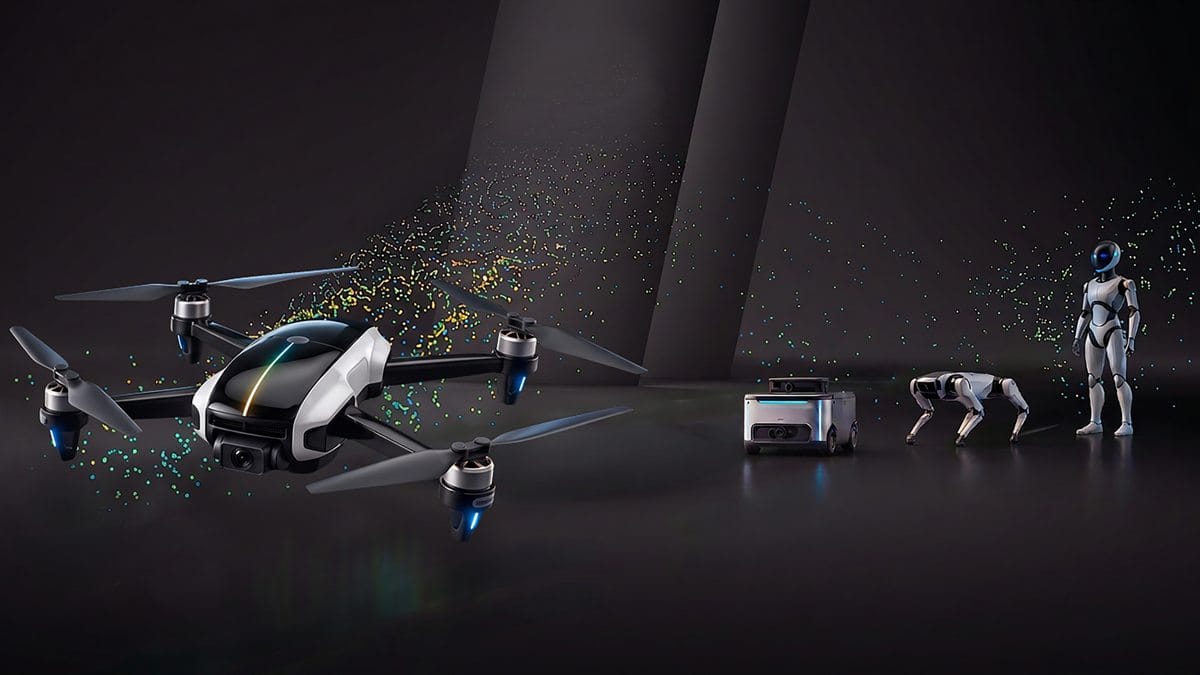
TL;DR: NXP launched a unified robotics platform combining reference hardware with an open-source SDK for sensing, navigation, flight control and motors. Its first designs target drones, claiming initial functionality within 30 minutes. The platform is available now and supports PX4, Zephyr and ROS 2. Additional designs for service robots and other autonomous systems are expected in 2027’s second half. Read more →
Atlas Rolls to Stress Its Motors
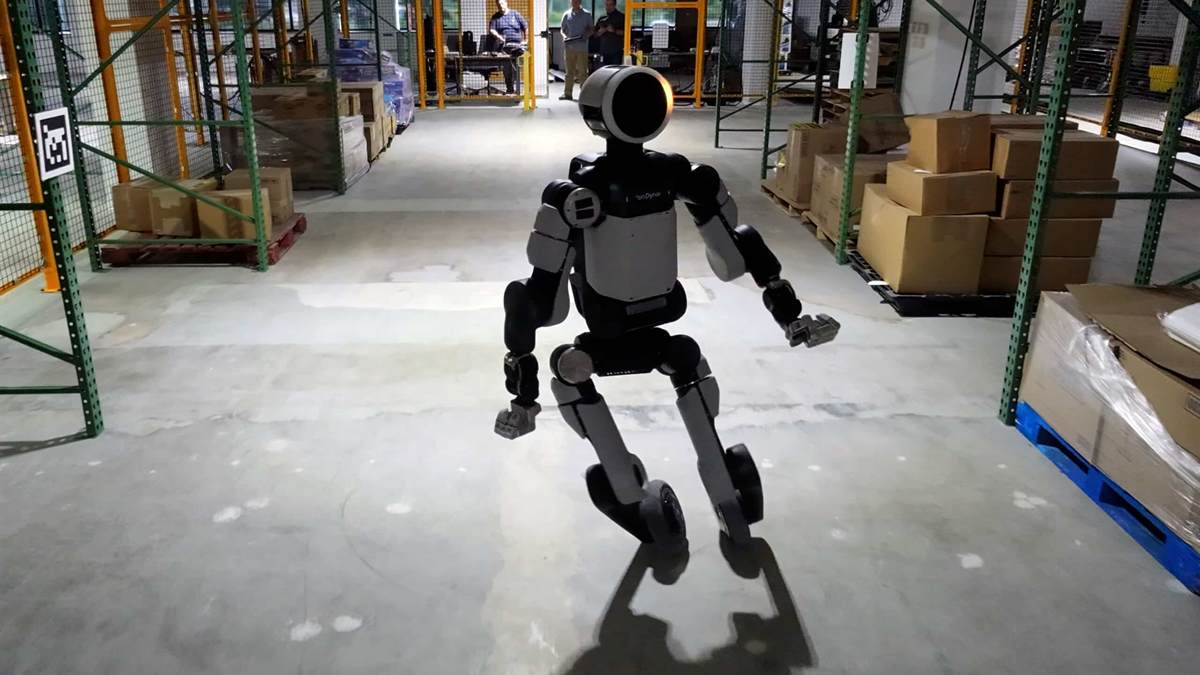
TL;DR: Boston Dynamics replaced Atlas’s feet with scooter wheels to test its motors under sustained loads. A modified reinforcement-learning controller let the humanoid roll, drift and perform a spinning jump using existing ankle actuators. The company says lessons are already feeding back into the standard legged robot. This is a research platform, with no plans to sell a wheeled Atlas. Read more →
More Robot Worlds, One Simulator
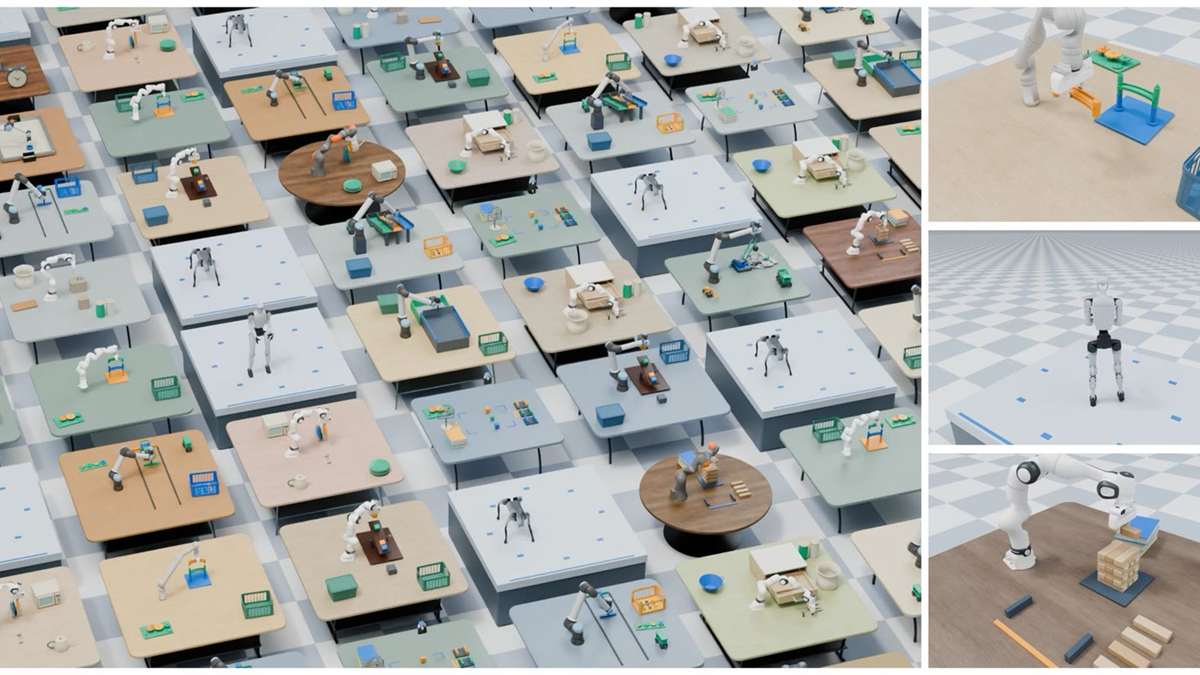
TL;DR: Skild AI and NVIDIA introduced Steel, a GPU dynamics solver for Newton designed to simulate different robots and tasks together. Across 20 benchmarks, Skild reports 3.8 times PhysX’s throughput on a geometric mean, using each engine’s best measured batch size. Mixed-task batches reached a 13-fold advantage. These are simulation-throughput measurements, and do not establish equivalent gains in complete robot-training time. Read more →
Factory Skills Get a Public Test
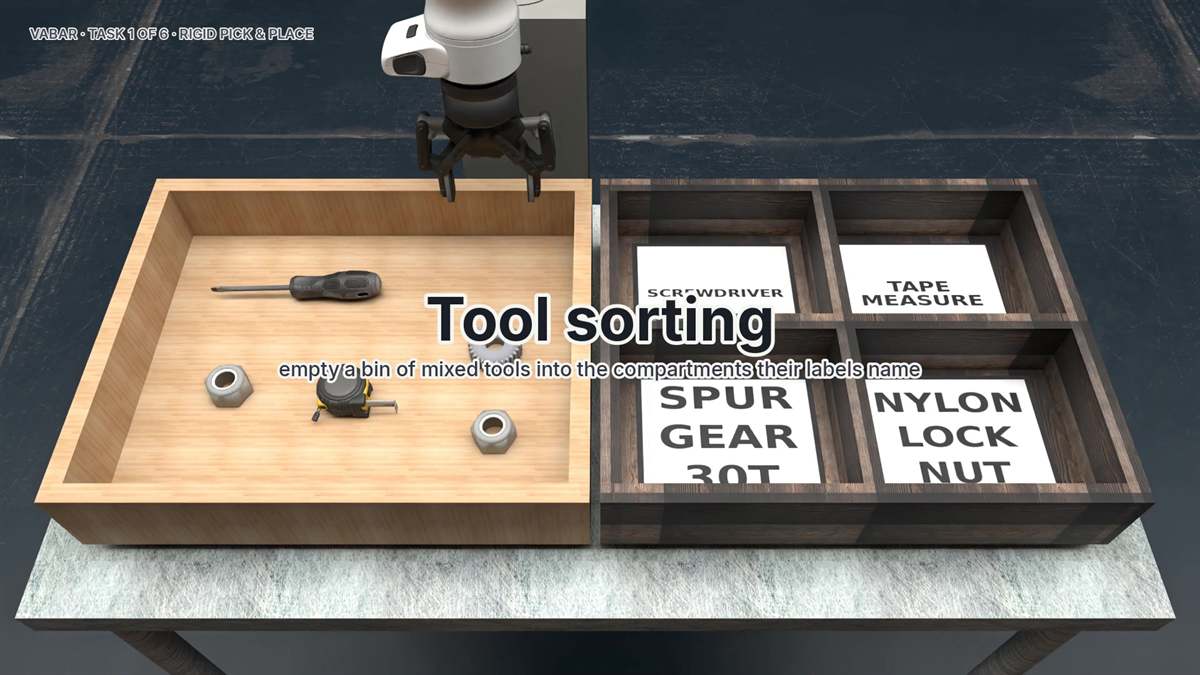
TL;DR: UC Berkeley, Siemens and NVIDIA released VABAR’s implementation for testing robot policies on six industrial task classes, including gear meshing, syringe packing and cable routing. The benchmark varies objects and layouts within bounded workcells, with scripted solutions and reusable skills supplied. Its November 9 code release makes the experiments reproducible; benchmark performance does not certify reliability on a production line. Read more →
Hand Data Comes With Conditions
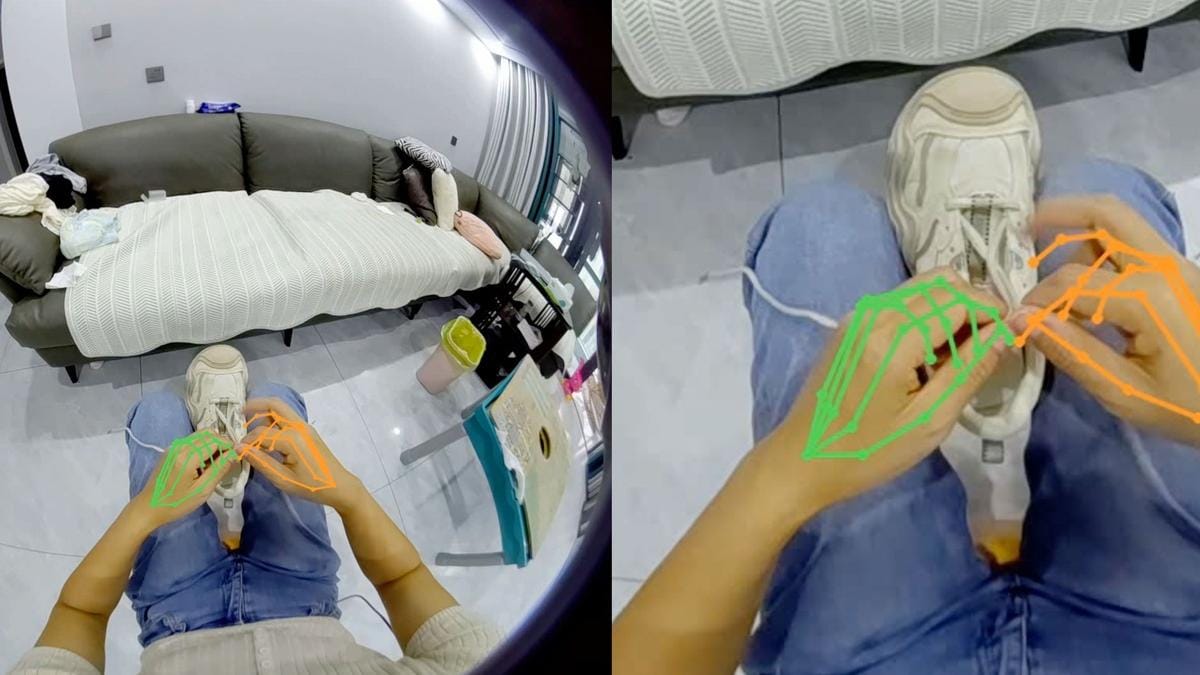
TL;DR: Noitom announced the release of HiPHI-Hand, pairing 11 hours of first-person video with optical hand-motion measurements used to train NVIDIA’s EgoHand. Finger markers provide sub-millimeter reference data, rather than a guarantee of equally accurate model predictions. Researchers must request dataset access, and commercial use needs separate licensing. The formal release follows an earlier preview and accompanies a CoRL demonstration. Read more →
Puzzle Pieces Learn to Make Room
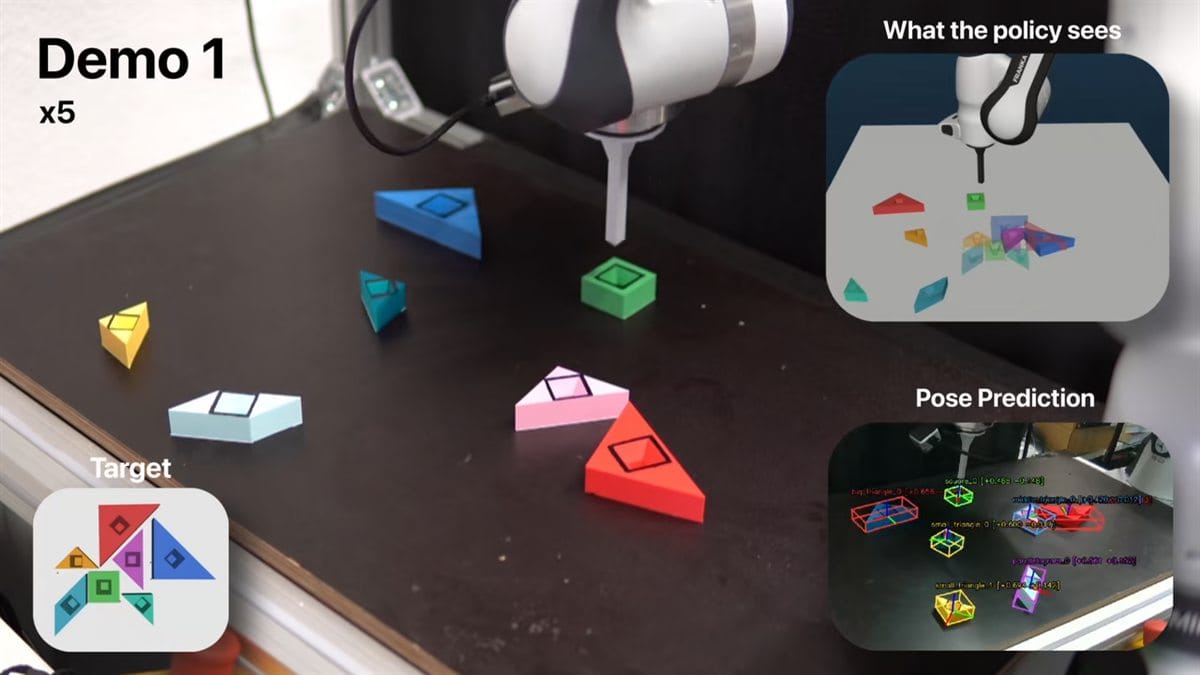
TL;DR: TU Darmstadt researchers trained a graph-based policy that treats each Tangram piece as an agent, coordinating movements to avoid blocking neighboring parts. They transferred the policy to a Franka FR3 without further training, using cameras and a custom peg tool. Simulation moves pieces concurrently; the physical arm handles them sequentially. The demonstration establishes feasibility, without proving industrial assembly reliability. Read more →
The Follower Keeps Its Underwater Bearings
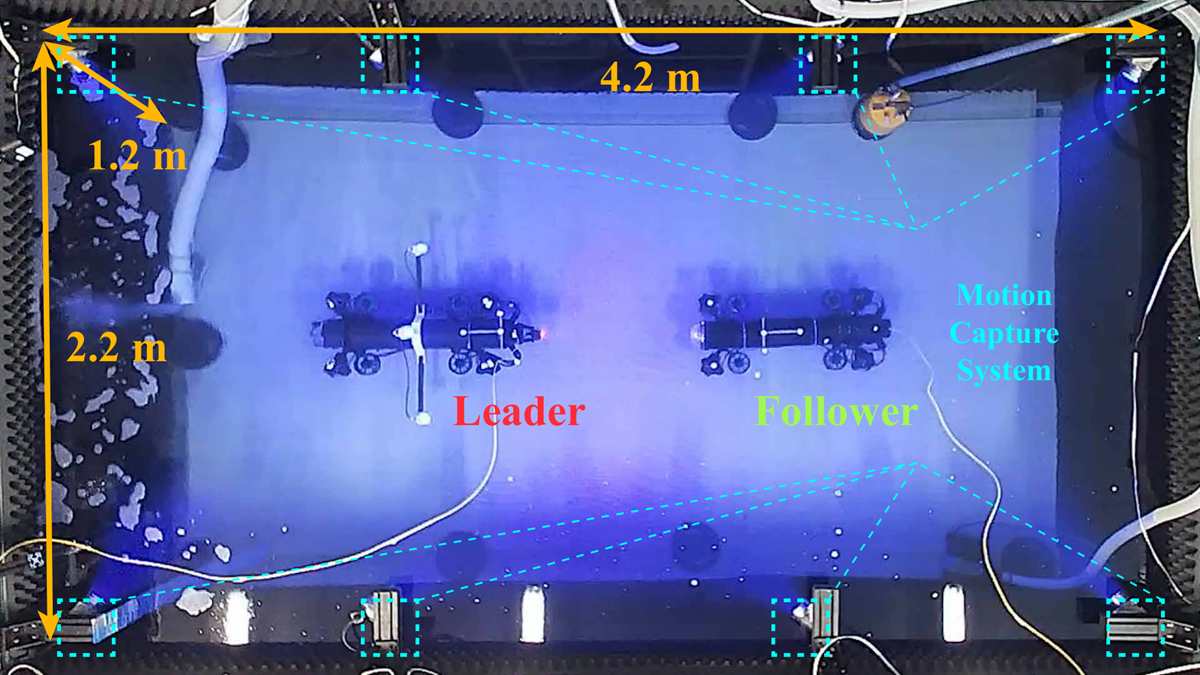
TL;DR: Peking University’s FATHOM lets an underwater robot follow another vehicle using sparse light markers, inertial sensing and a predictive world model. In indoor-tank trials, it completed all 12 challenging trials while running onboard, without motion-capture feedback to the follower. Motion capture still supported evaluation and leader movements. The results address controlled tracking, rather than demonstrating open-water fleet operations or deployment. Read more →
TOGETHER WITH US
AI Secret Media Group is the world’s #1 AI & Tech Newsletter Group, reaching over 2 million leaders across the global innovation ecosystem, from OpenAI, Anthropic, Google, and Microsoft to top AI labs, VCs, and fast-growing startups.
We've helped promote over 500 Tech Brands. Will yours be the next?
Email our co-founder Mark directly at mark@aisecret.us if the button fails.