
🤖 Cobots Roll Up to Testing

Good Morning, Roboticists!
Scientists have taught robots to flinch when touched. The next challenge is teaching them to pretend they didn't get scared.
Cobots Roll Up to Testing
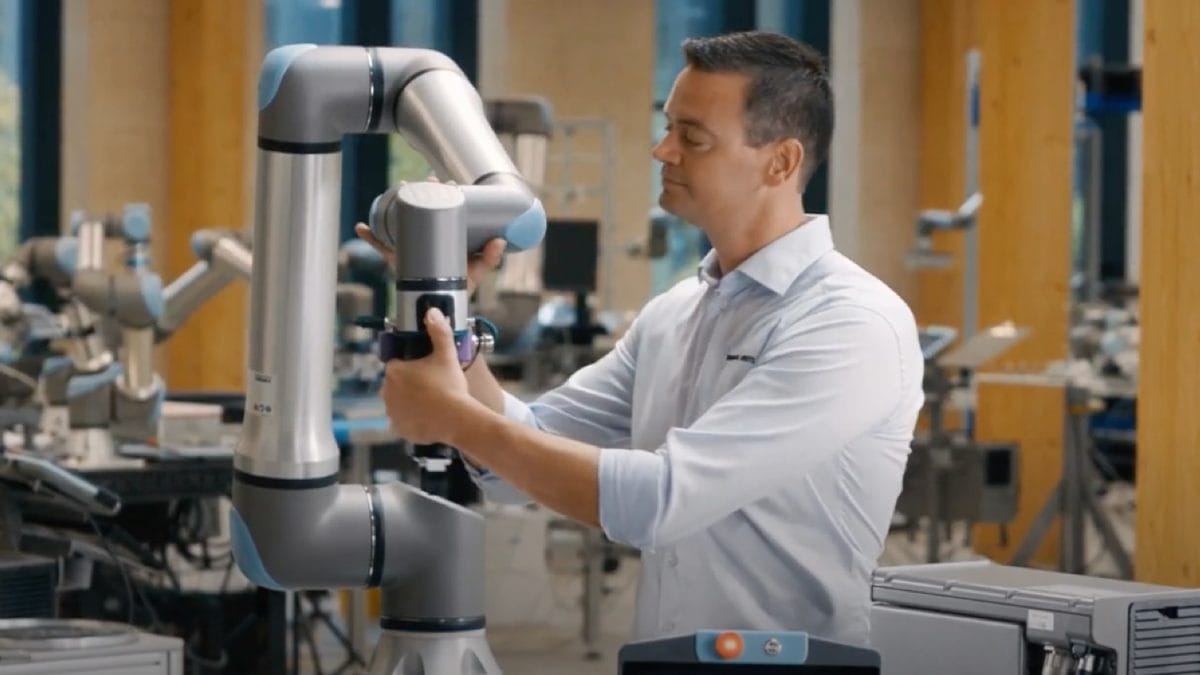
TL;DR: Teradyne Robotics has outlined a Munich demonstration that pairs a mobile base with a collaborative arm to load an offline circuit board tester. Universal Robots will also show its Gen 7 platform in Europe for the first time. The planned workcell puts material transport and machine tending in the same workflow, alongside separate demos for inspection and bin picking. Read more →
Pudu Brings Six Lines Together
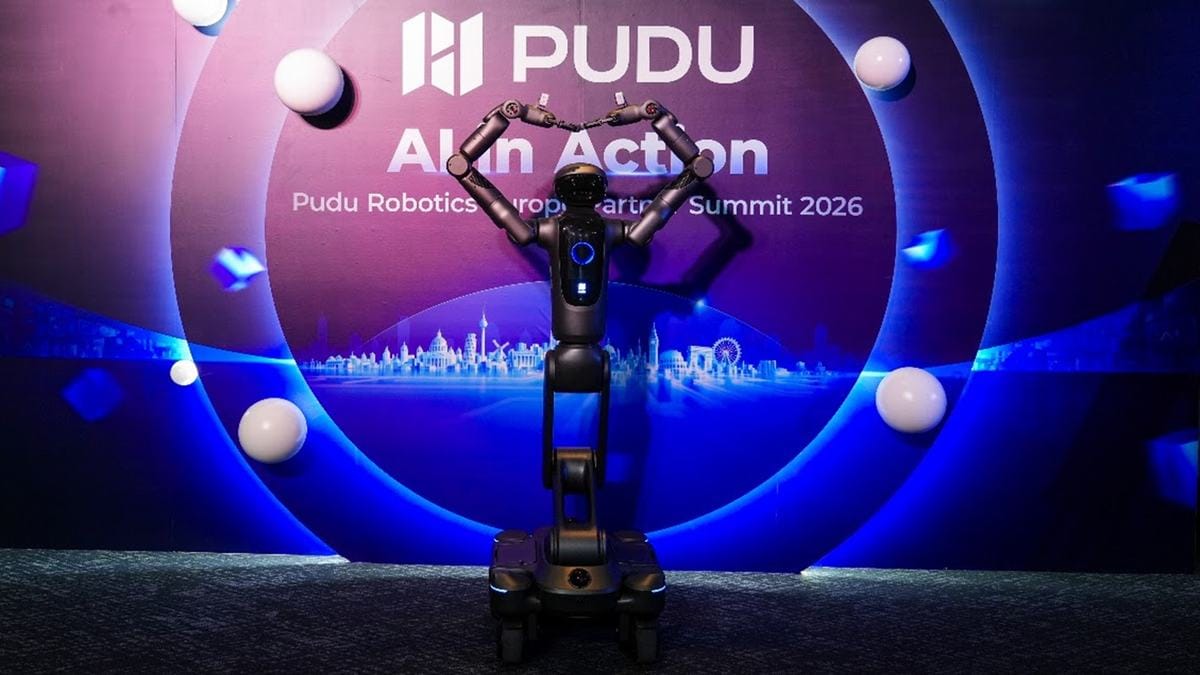
TL;DR: Pudu brought all six of its robot product lines to its European Partner Summit in Amsterdam. The lineup ranged from the D7 semi-humanoid and D5 quadruped to the BellaBot Pro restaurant runner and the MP2000 pallet mover. The company used the event to outline its new shared intelligence strategy across machines built for different jobs. Read more →
KAPEX Builds With Korean Parts
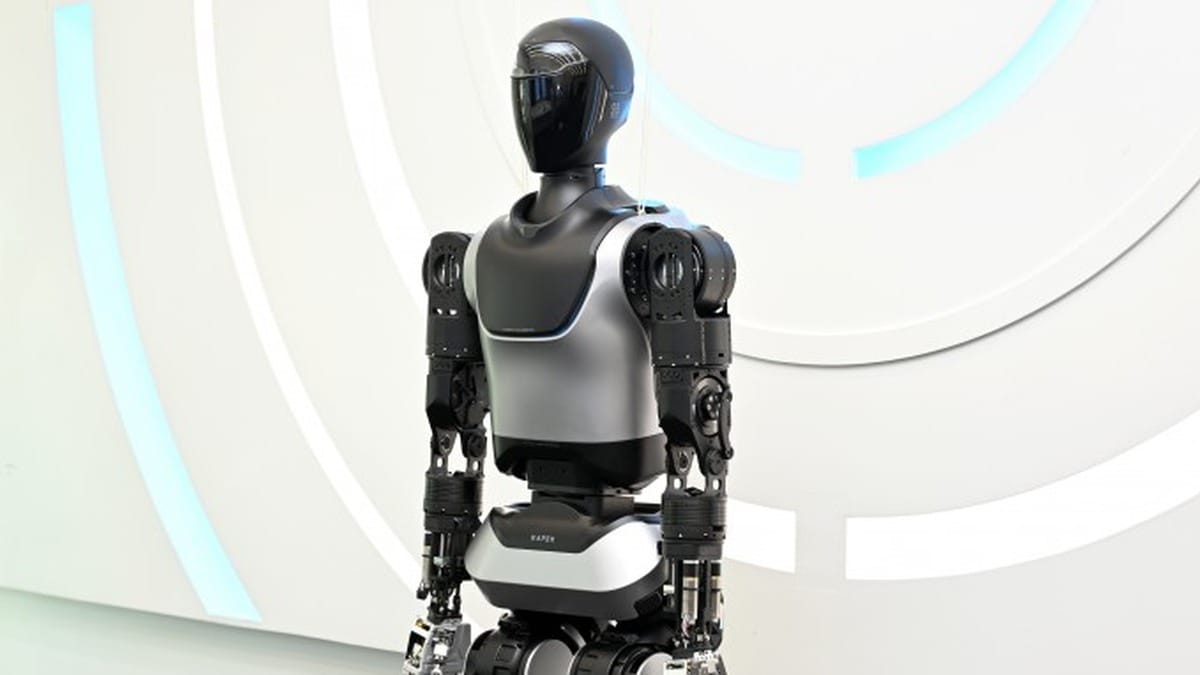
TL;DR: More than 90 percent of the KAPEX humanoid’s core components are reportedly made in South Korea. The prototype can walk while carrying more than 20 kilograms, according to the latest reporting. KIST previously transferred key technology to LG Electronics, and the commercialization effort assigns platform development, AI, batteries and manufacturing to different partners, including Robostar. Read more →
RoboWorld Puts Buyers Beside Builders
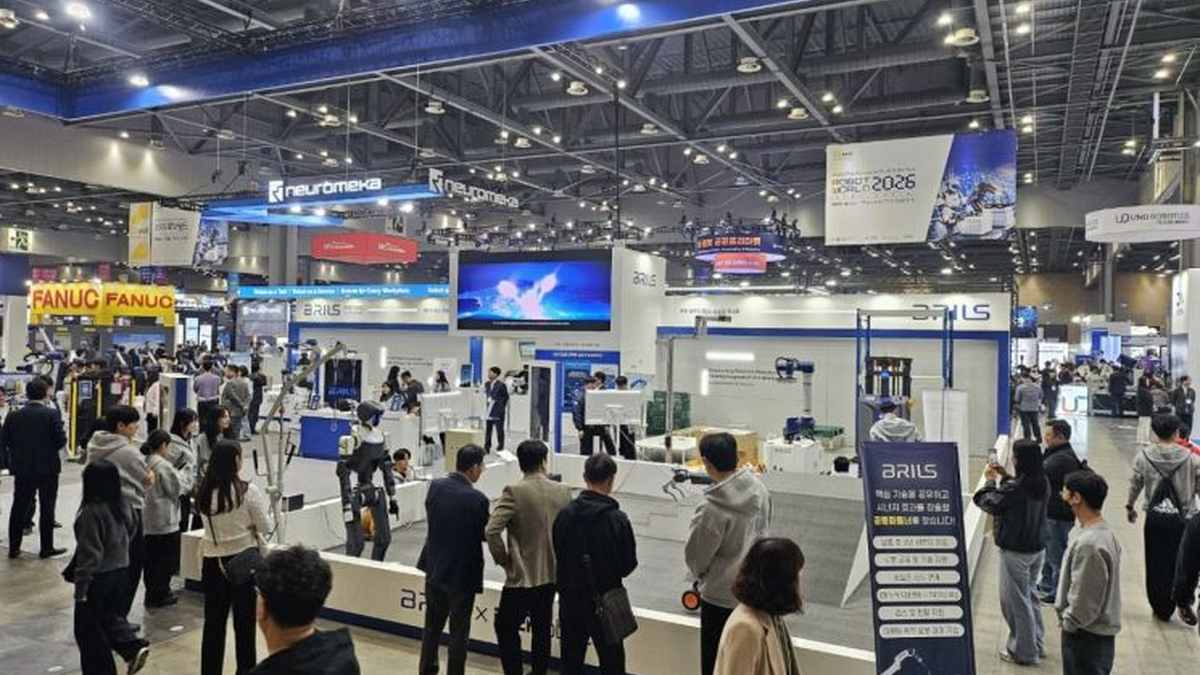
TL;DR: RoboWorld opened in Goyang with 402 companies from 17 countries. The lineup includes a machine tending system from DN Solutions for loading and unloading materials and a heavy payload mobile robot from Samhyun. Organizers also scheduled meetings with overseas buyers and domestic procurement teams, giving suppliers a chance to pitch specific factory and logistics applications. Read more →
Spot Figures Out What You Mean
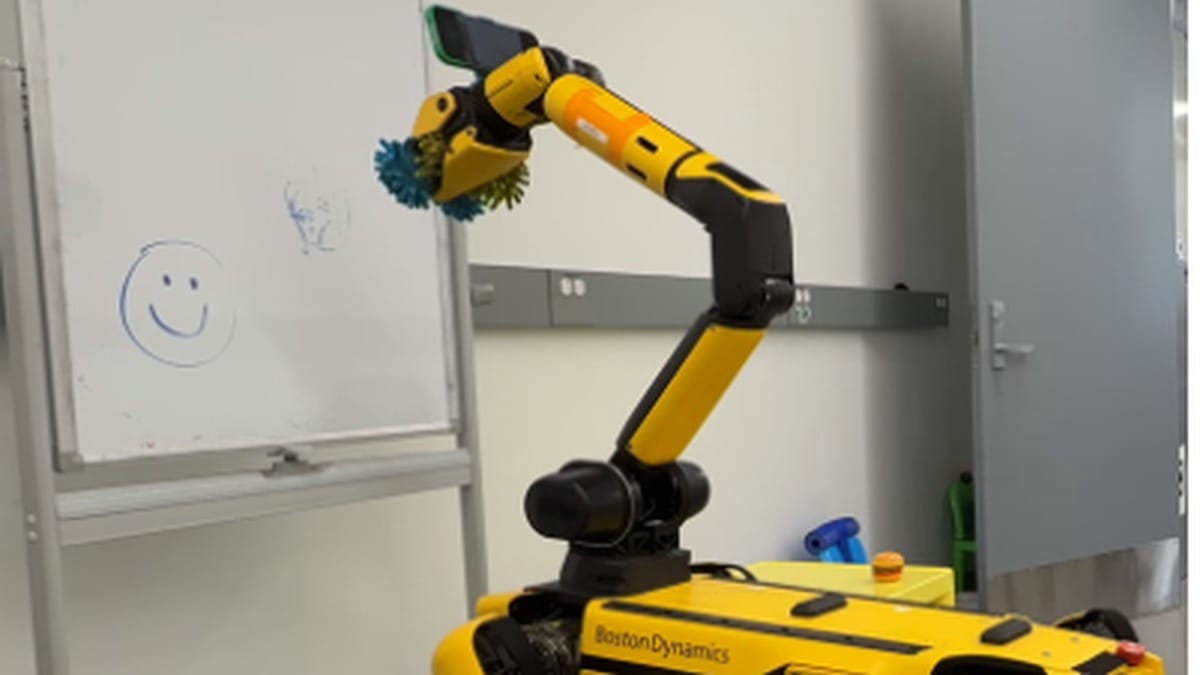
TL;DR: MIT researchers gave Spot ambiguous chores and let it query a scene scan as it worked out what the user meant. The system checks reachability and verifies the result after acting. Spot completed 35 of 50 real trials, including 17 that succeeded after a tool or verification failure. Physical skills caused 13 of the 15 failures. Read more →
Street Directions Become Robot Routes
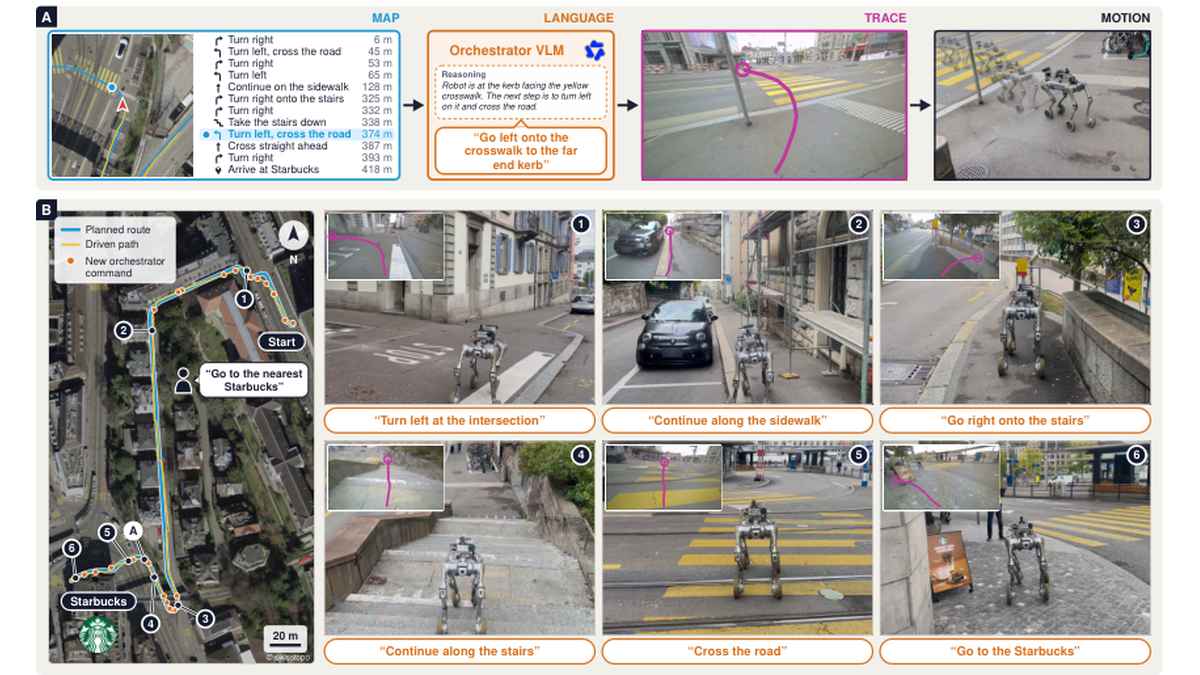
TL;DR: WayTrace turns ordinary web walking directions into short commands a wheeled-legged robot can follow. An onboard model draws each next path over camera images, then a controller tracks it. Researchers from ETH Zurich and collaborators tested routes of up to 1.37 kilometers in the real world, including a city center, rural trails and a university campus. Read more →
A Second Scope Tests Depth
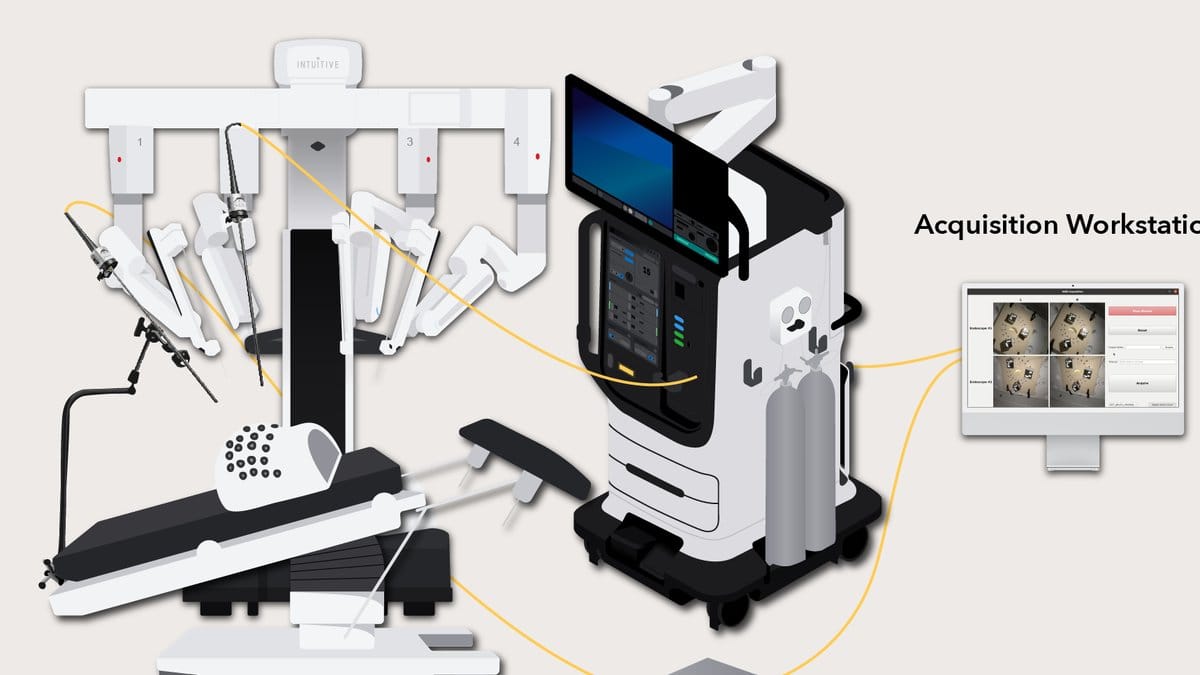
TL;DR: Researchers at University College London and Intuitive recorded 340 sequences with two synchronized stereo endoscopes. Their iMED dataset lets researchers train a view synthesis model on one endoscope and check it from the other. Methods relying mainly on image appearance struggled more than those with explicit geometric constraints when asked to reconstruct the scene from that independent viewpoint. Read more →
A Humanoid Flinches Before Impact Peaks
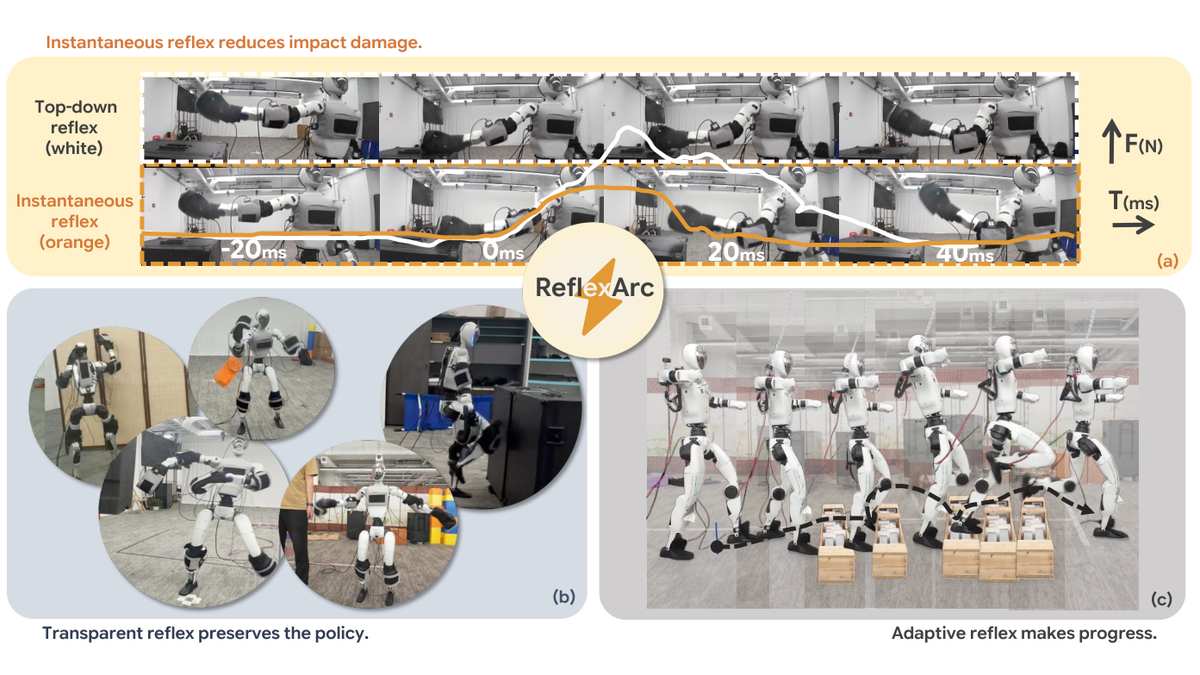
TL;DR: A Unitree G1 uses touch sensors to detect unexpected contact and send a withdrawal pose directly to its motors within 10 milliseconds. Researchers tested the reflex across three kinds of contact. Against the same reflex with a 20-millisecond delay, the faster version reduced the first force peak by 34.1 percent, while the learned controller helped maintain balance. Read more →
Same Swarm Code, Different Reactions
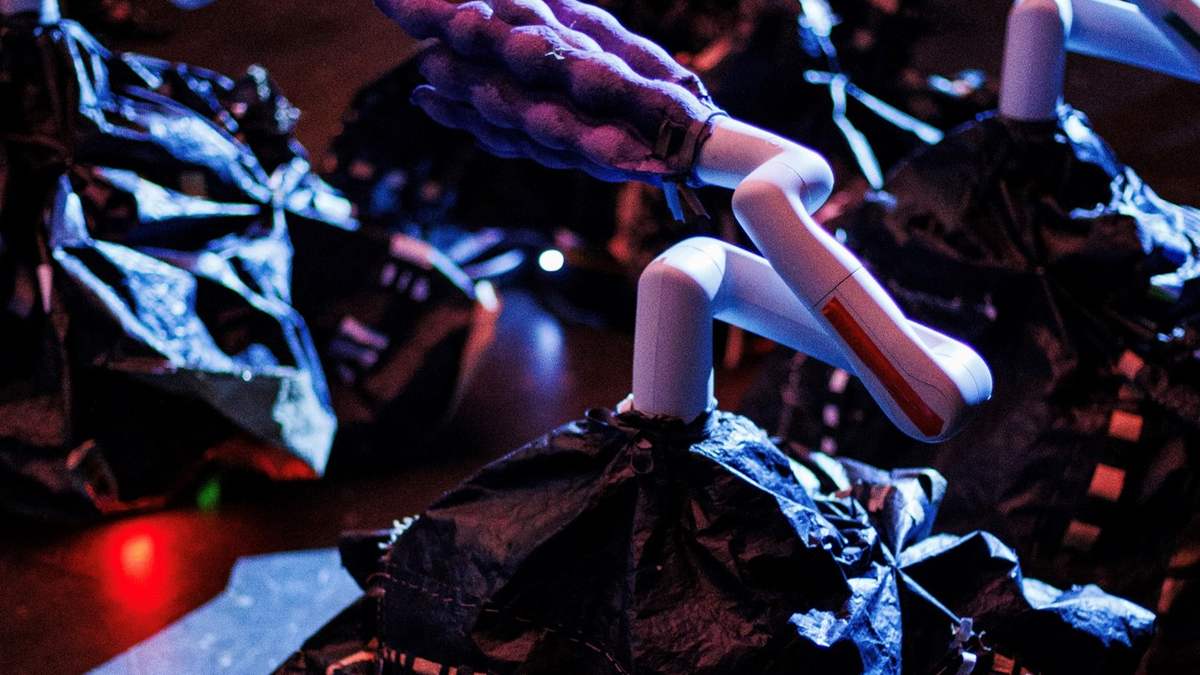
TL;DR: Montréal researchers ran the same coordination code on tabletop robots, aerial robots and human-scale mobile manipulators during live performances. The code worked across all three, but the machines moved on visibly different timescales and traced different paths. Audience surveys showed that the robots’ physical form also changed how purposeful or threatening people found their movements. Read more →
A Robot Finger’s Weakest Pose
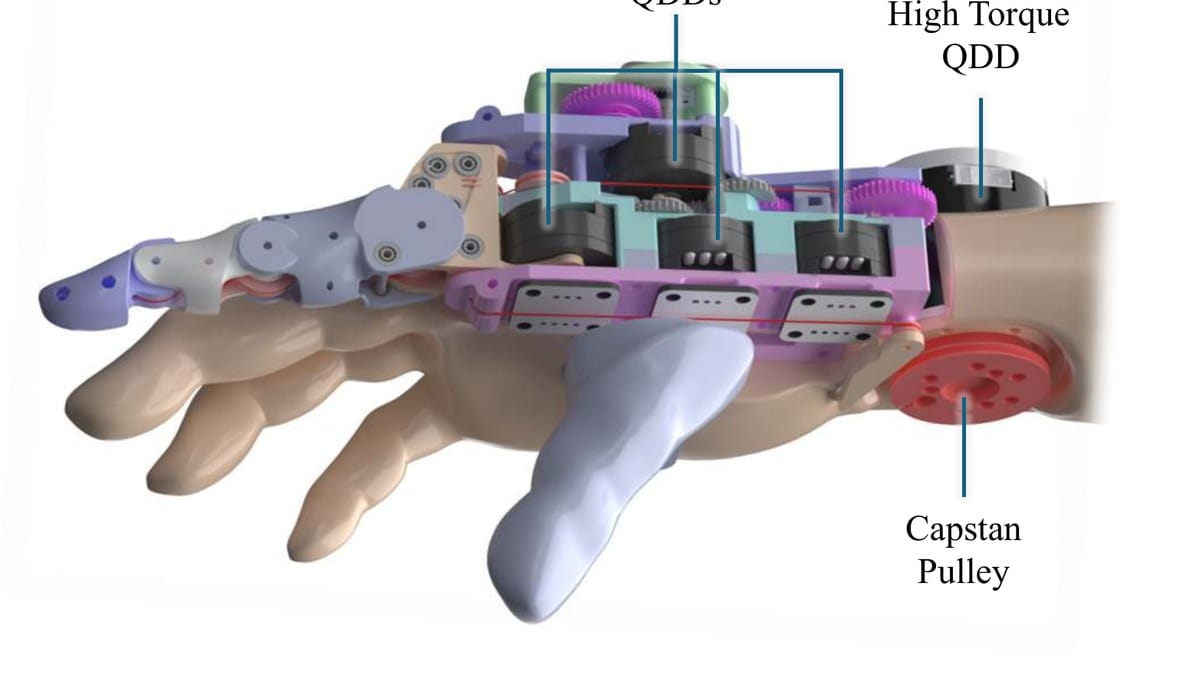
TL;DR: PACT designs a tendon-driven robot finger around its weakest posture. The method chooses tendon routes, pulley dimensions and leverage together so the finger can apply useful force across eight modeled poses. The team built a four-degree-of-freedom prototype and measured the forces at its fingertip. Some readings differed from predictions by up to 24.5 percent, largely because of transmission losses. Read more →
TOGETHER WITH US
AI Secret Media Group is the world’s #1 AI & Tech Newsletter Group, reaching over 2 million leaders across the global innovation ecosystem, from OpenAI, Anthropic, Google, and Microsoft to top AI labs, VCs, and fast-growing startups.
We've helped promote over 500 Tech Brands. Will yours be the next?
Email our co-founder Mark directly at mark@aisecret.us if the button fails.