
🤖 Gloves Beat Two Million Hours

Good Morning, Roboticists!
A robot learned more from 10,000 hours of gloves than two million hours of internet video. Apparently, even machines need to stop doomscrolling.
Gloves Beat Two Million Hours
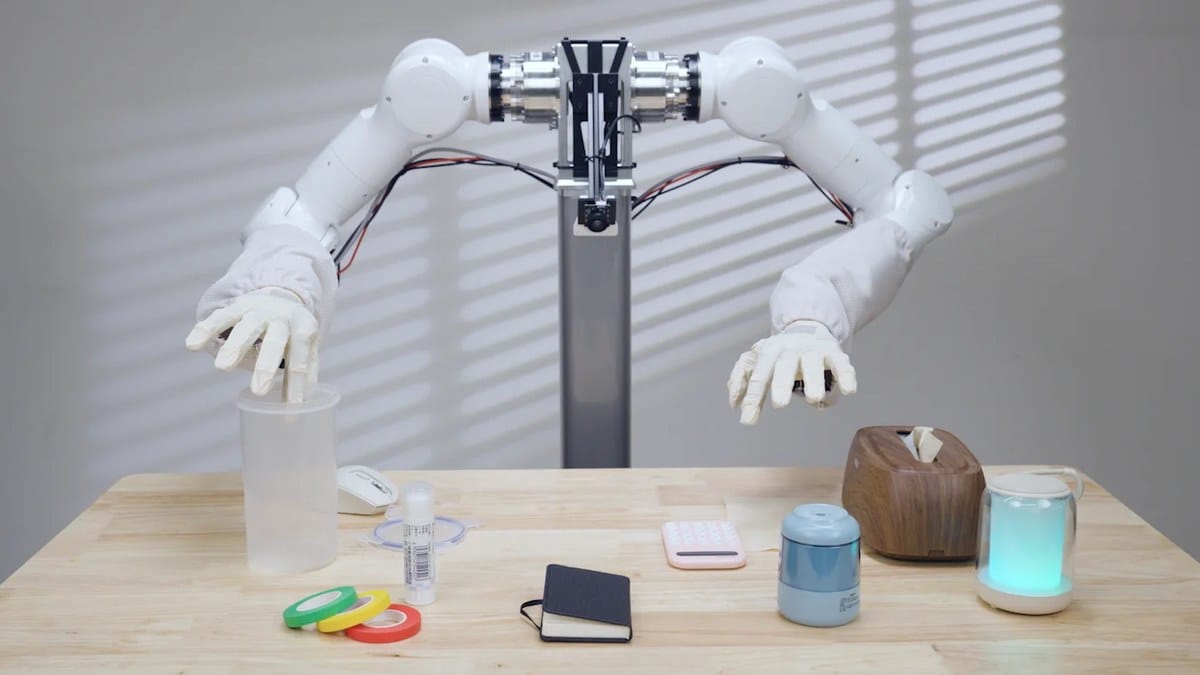
TL;DR: LiberAI trained Liber-0 on human video, then used glove recordings and robot demonstrations to connect what it saw with actions it could execute. In one controlled comparison, 10,000 hours of glove data beat two million hours of web video. The company reports 36 percent success across 600 trials on 60 tasks without robot demonstrations collected for those tasks. Read more →
Stretch Gets Easier to Fix
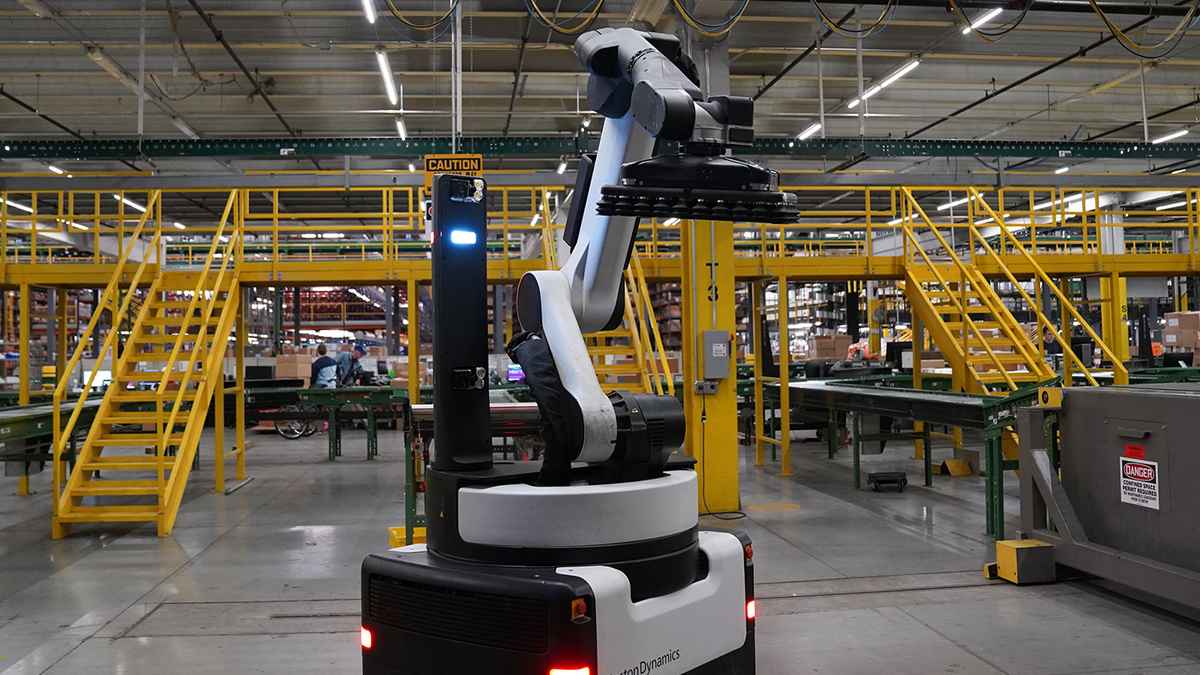
TL;DR: Boston Dynamics studied more than 100,000 operating hours before redesigning Stretch, its trailer unloading robot. The second generation cuts internal cabling by 81 percent and adds modular parts that technicians can swap at the dock. The company says replacing a swerve drive now takes about an hour, down from a full day on the previous model. Read more →
Cainiao Climbs for Denser Storage

TL;DR: At CeMAT Asia in Shanghai, Cainiao showed climbing robots that can reach totes on both sides of an aisle and pull them from two positions deep. The company says the upgrade increases storage density by 20 percent. It also demonstrated new fleet scheduling and a simulator that lets customers test layouts before committing to a warehouse design. Read more →
Korea Builds a Robot Dataset
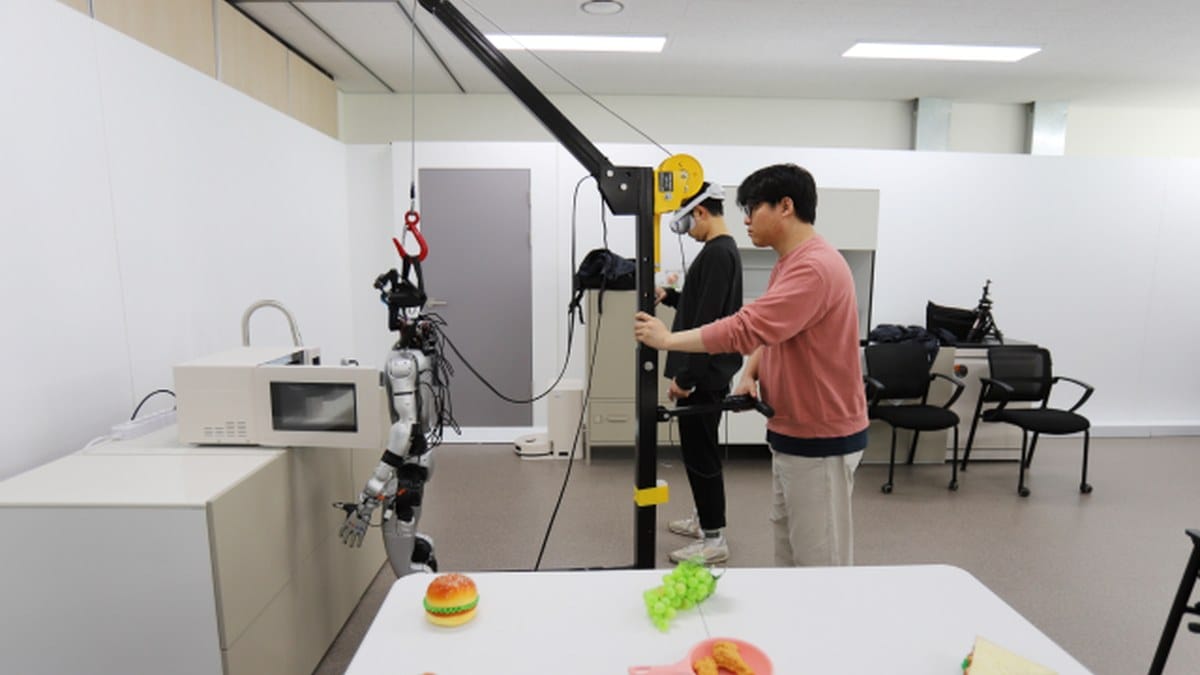
TL;DR: At South Korea’s new humanoid data factory, operators remotely steer 12 robots and record how they move through household and industrial tasks. Opening demonstrations included taking items from a refrigerator, handling laundry and operating vehicle controls. KIMM and ETRI built the facility, and KIMM plans to open it gradually to outside researchers and companies starting in late 2027. Read more →
Schaeffler Bets on Humanoid Parts

TL;DR: Schaeffler plans to cut a net 3,460 jobs in Europe and close five sites as it reshapes its automotive operations. The German supplier expects new roles in humanoid robotics and defense to offset some of the reductions. Its latest earnings release says the humanoid business won new customers and expanded its order book during the reporting period. Read more →
WizGene Packs the Robot Joint
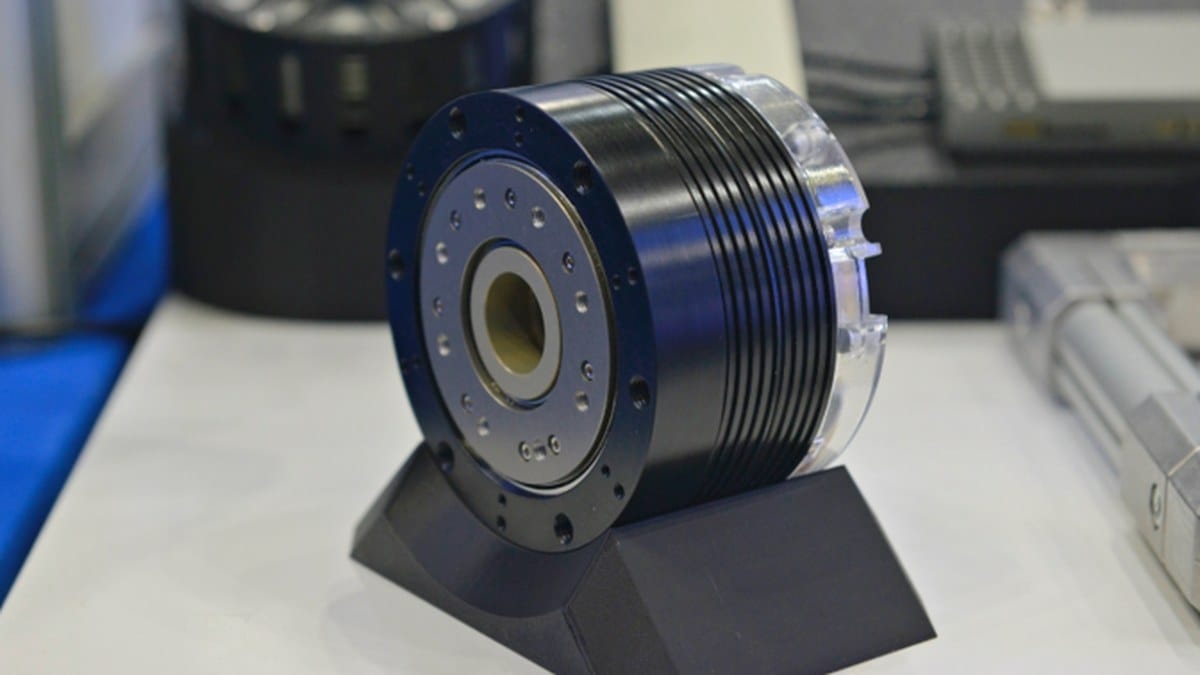
TL;DR: WizGene announced an actuator for RoboWorld in South Korea that packs a motor, reducer, driver and encoder into a single unit. The Fluxium R80 measures 90 millimeters across and is rated at about 27 newton meters. WizGene is testing durability in a low-profile warehouse robot designed to carry up to 600 kilograms using two units. Read more →
Pixel Builds Around Wheels
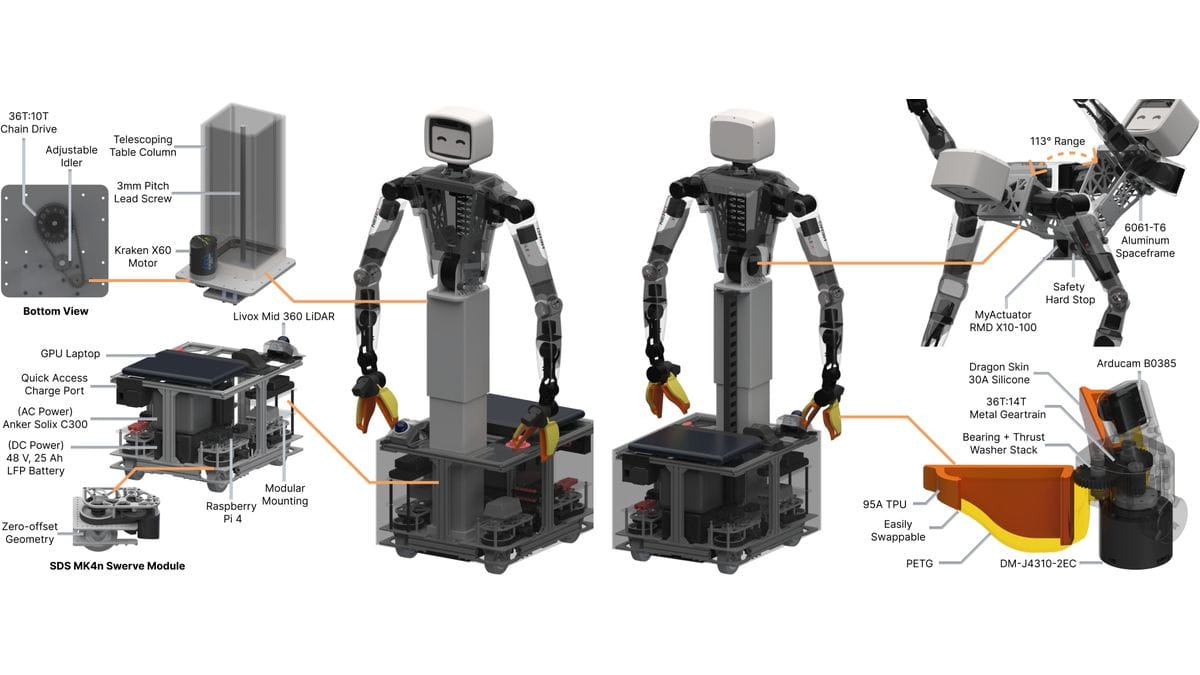
TL;DR: Pixel pairs a human-proportioned upper body with a wheeled base, a vertical lift and compliant grippers. Its researchers say the hardware can be assembled for under $15,000. They designed the robot, wearable demonstration rig and whole-body controller together, so the same learning system can train on movements captured from people or from operators driving the robot. Read more →
Moon Rovers Get a Springboard
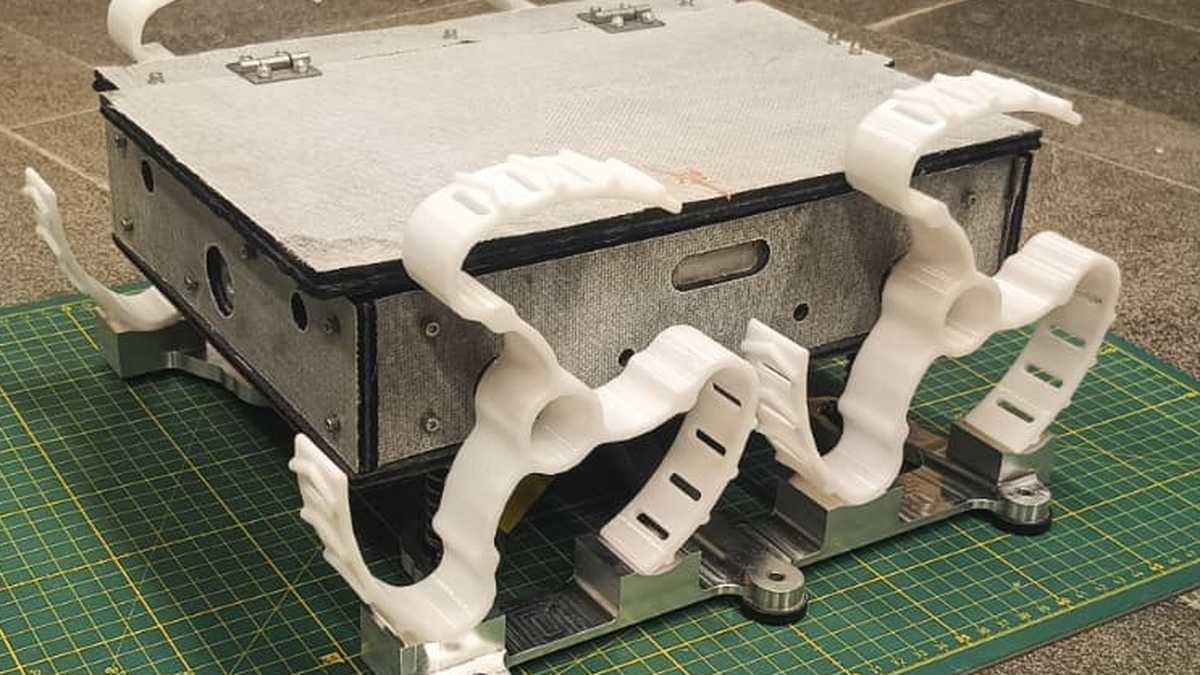
TL;DR: A five-kilogram lunar rover needs enough spring force to clear its lander without a heavy ramp. Türkiye’s Middle East Technical University redesigned CHERI’s release plate after early vibration failures. The final mechanism passed vibration and shock tests, and a scaled ground model cleared the lander in separation trials. The rover also incorporates a mechanism to right itself after landing. Read more →
A Cutaway Sharpens Robot Targeting
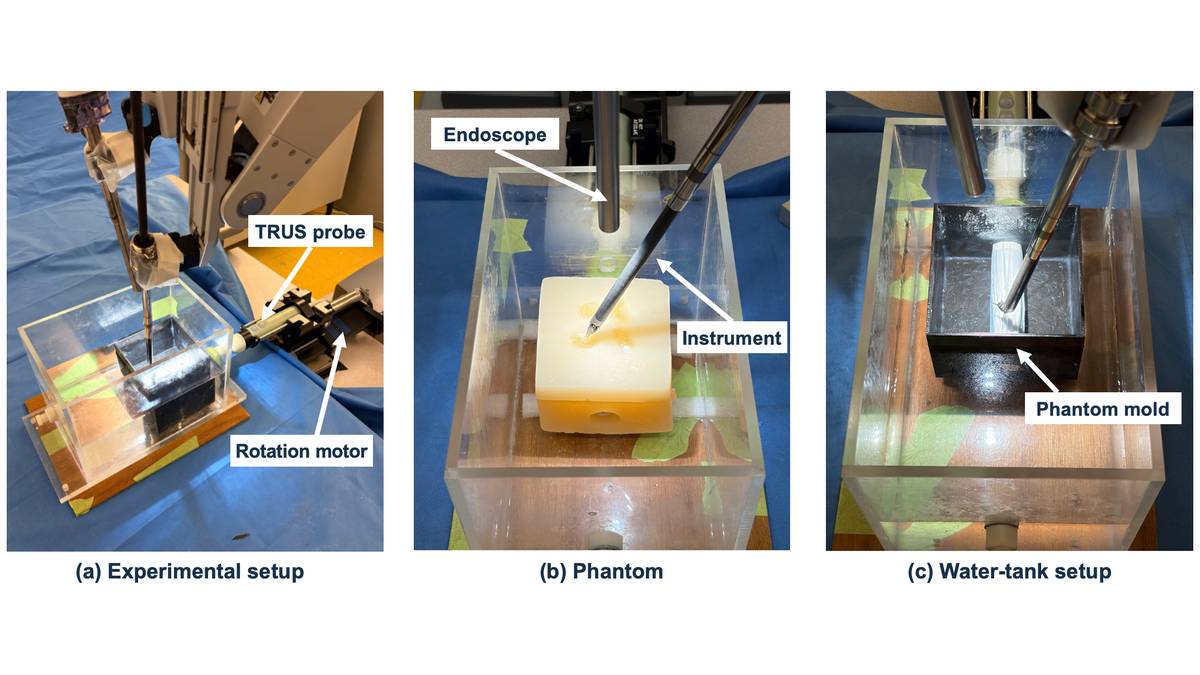
TL;DR: University of British Columbia researchers gave 15 engineering students a rotatable cutaway view while they guided a da Vinci instrument toward hidden targets in a tissue phantom. Average positioning error fell from 12.92 to 4.96 millimeters compared with an augmented reality overlay. Participants took about 33 seconds per target with the cutaway, up from about 22. Read more →
Geometry Checks the Robot’s Route
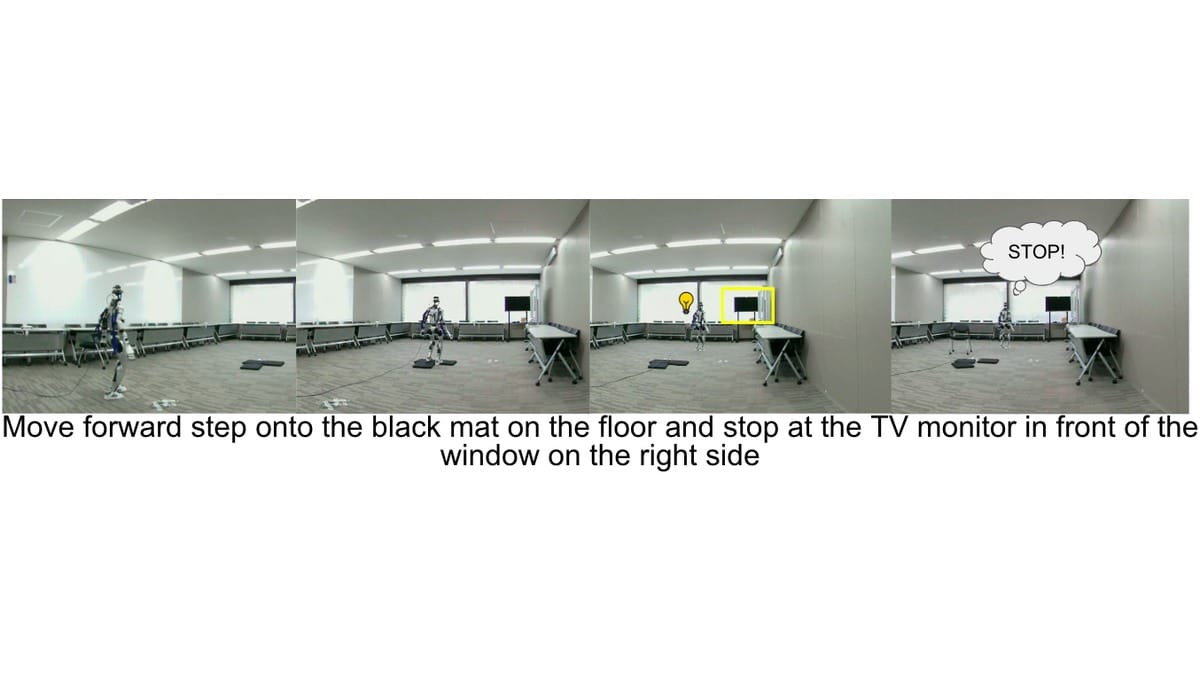
TL;DR: A navigation system lets an AI model propose where a robot should go, then checks the route against a live map of nearby obstacles. Tests on a Unitree G1 and a Ghost Robotics Vision 60 showed fewer collisions with the safety layer enabled. The quadruped still hit obstacles that its sensors missed, including thin wires and narrow poles. Read more →
TOGETHER WITH US
AI Secret Media Group is the world’s #1 AI & Tech Newsletter Group, reaching over 2 million leaders across the global innovation ecosystem, from OpenAI, Anthropic, Google, and Microsoft to top AI labs, VCs, and fast-growing startups.
We've helped promote over 500 Tech Brands. Will yours be the next?
Email our co-founder Mark directly at mark@aisecret.us if the button fails.