
🤖 Humanoids Learn Where To Lean

Good Morning, Roboticists!
Robots are growing skin, buying faces, and making babies. Evolution just got venture funding.
Humanoids Learn Where To Lean
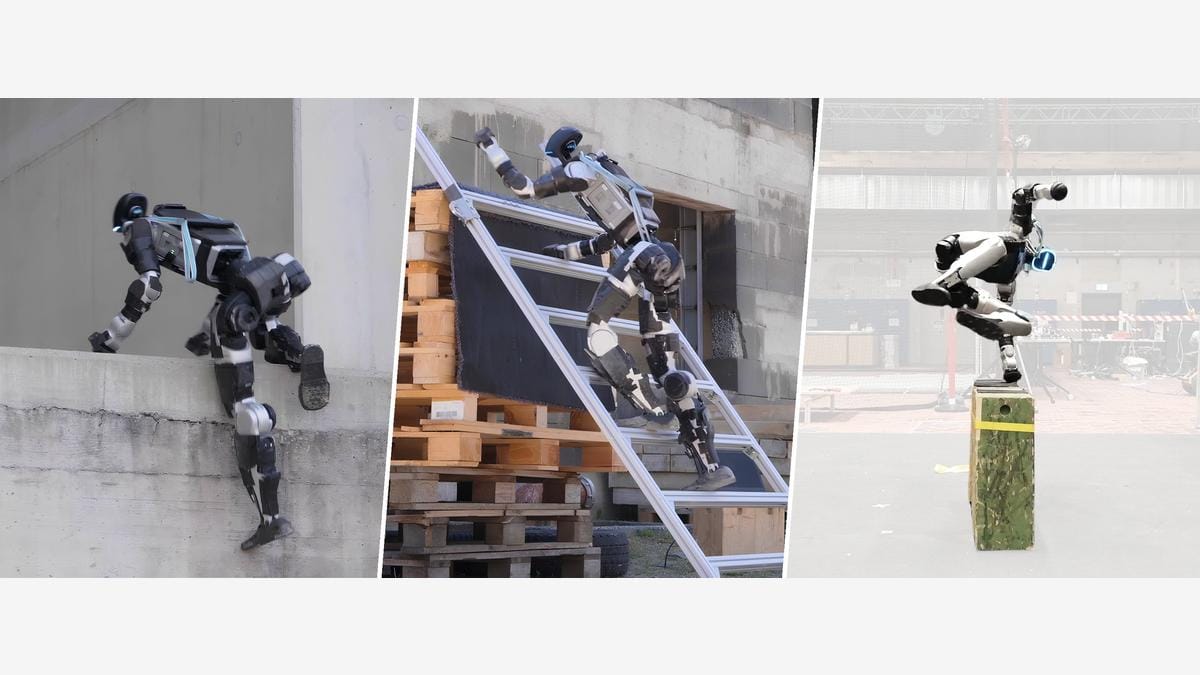
TL;DR: ETH Zürich researchers taught a Unitree G1 to climb ladders, vault obstacles and recover from falls by planning body contacts. Their system combines 13.2 minutes of human motion data with reinforcement learning and onboard terrain sensing. One policy connects multiple mobility skills, while the reported 92.5 percent average success rate comes from simulated courses, not equivalent physical field trials. Read more →
Robot Skin Finds Its Backers
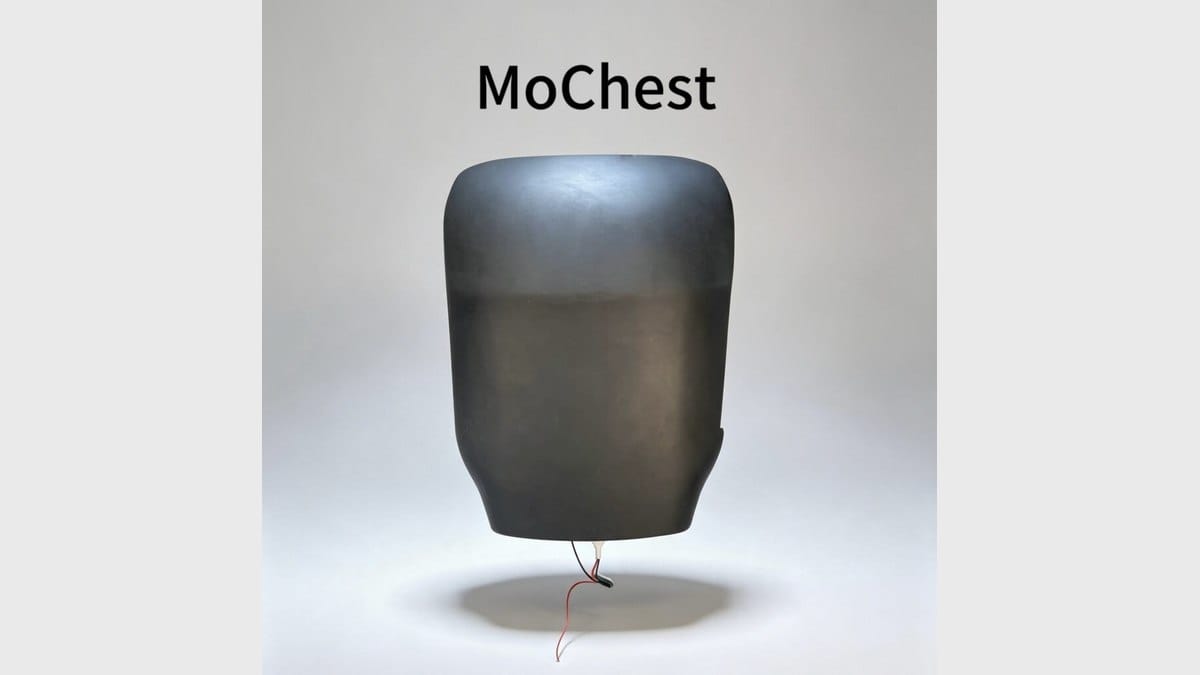
TL;DR: MoSense has raised an Angel Plus round in the hundred-million-yuan range to develop full-body multimodal tactile solutions. CDH Investments and Oasis Capital led the financing, joined by robotics and semiconductor investors. Earlier backers include HSG, GL Ventures and Agibot. The round backs a specialized supplier of robot touch, rather than another company building an entire humanoid. Read more →
The Personal Robot Line Hits 5,000
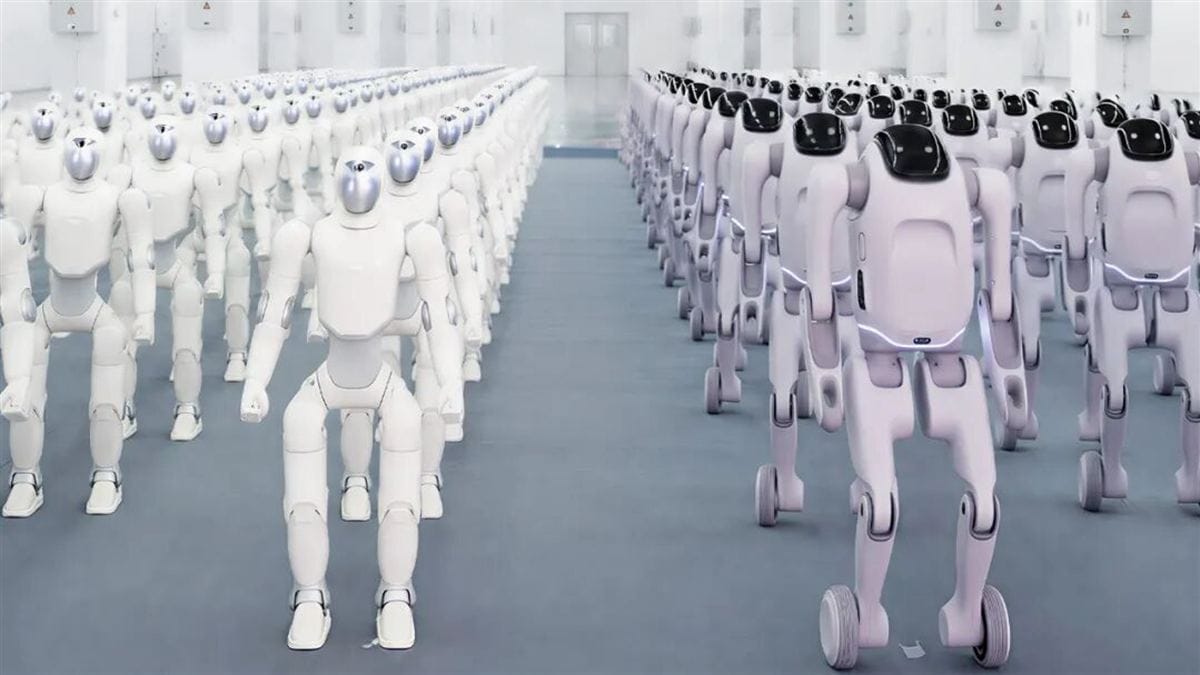
TL;DR: Qiyuan Robotics says its 5,000th personal robot has rolled off the line, roughly a month after its Q1 and T1 went on sale. Co-president Gao Quanzhong reports one robot every 2.5 minutes and daily capacity above 200 units. The milestone measures manufacturing output, while sustained household use, customer deliveries and independent reliability data remain separate tests of commercial progress. Read more →
Four Legs Beat The Cube
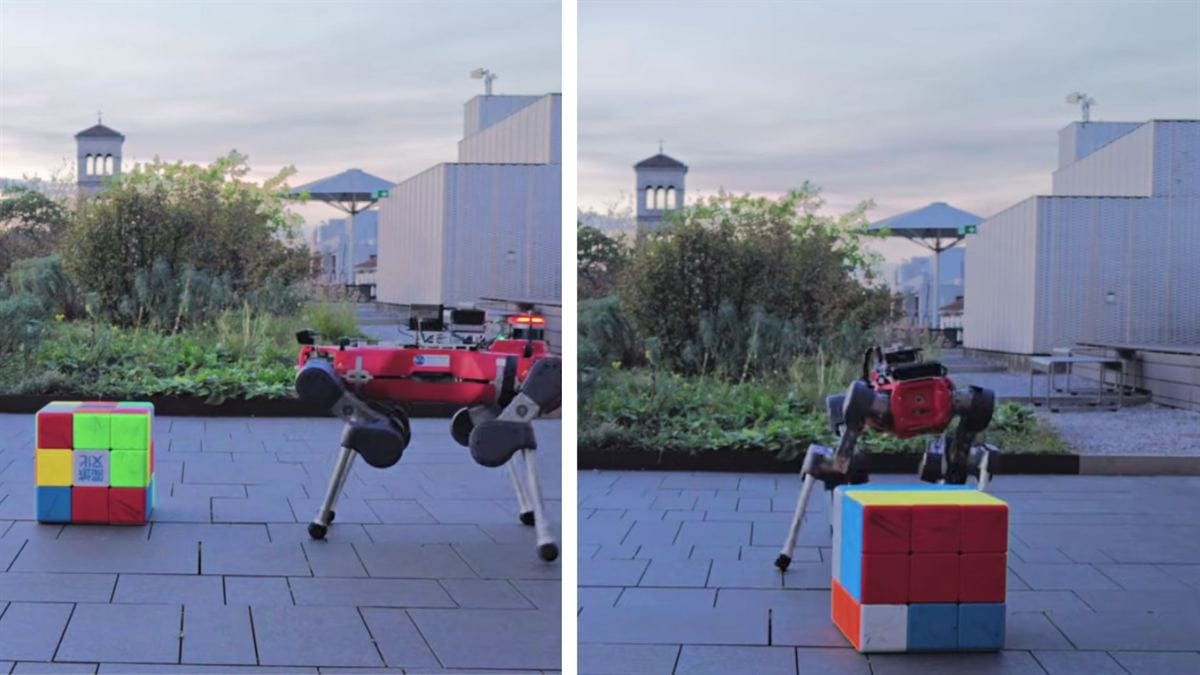
TL;DR: ETH Zürich’s ANYmal-D solved a giant Rubik’s Cube using its feet while balancing on its remaining legs. Vision identifies the colors, a classical solver chooses rotations, and learned control performs the physical moves. The team reports three successful autonomous solves, each taking eight to nine minutes and around 30 actions, demonstrating manipulation without adding a separate robot arm. Read more →
Robot Code Learns To Feel
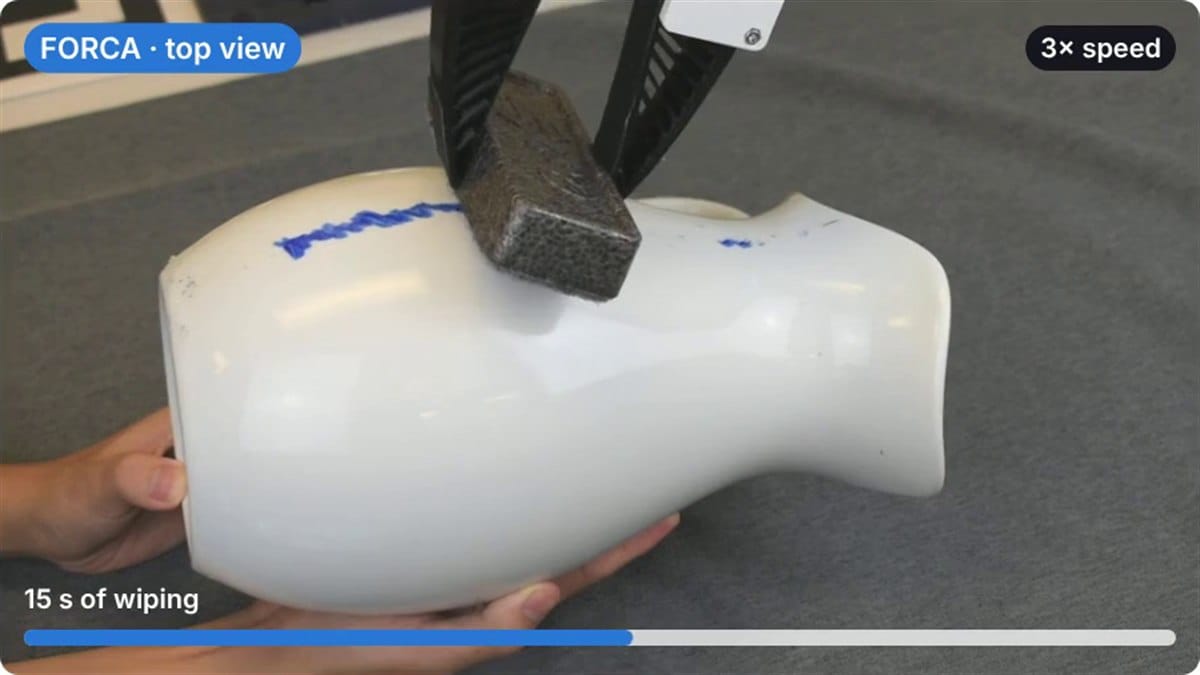
TL;DR: FORCA writes robot control programs that respond to force, then revises them after inspecting what happened. Researchers tested the system on five physical tasks with a UR5e arm, including opening drawers, wiping vases and peeling cucumbers. Wrist force measurements helped it maintain contact and correct mistakes without demonstrations, task-specific training or simulation, outperforming an otherwise comparable vision-only coding agent. Read more →
Humanoids Are Buying A Face

TL;DR: China startup Lingyan Technology has secured tens of millions of yuan across seed and seed-plus rounds to build expressive robot faces. Its FaceSoul Agent combines cable-driven facial hardware with models that synchronize speech, lips and eye movements. The company reports 32 facial degrees of freedom and plans to spend the financing on components, algorithms, product development and hiring. Read more →
Robot Skills Leave The Lab
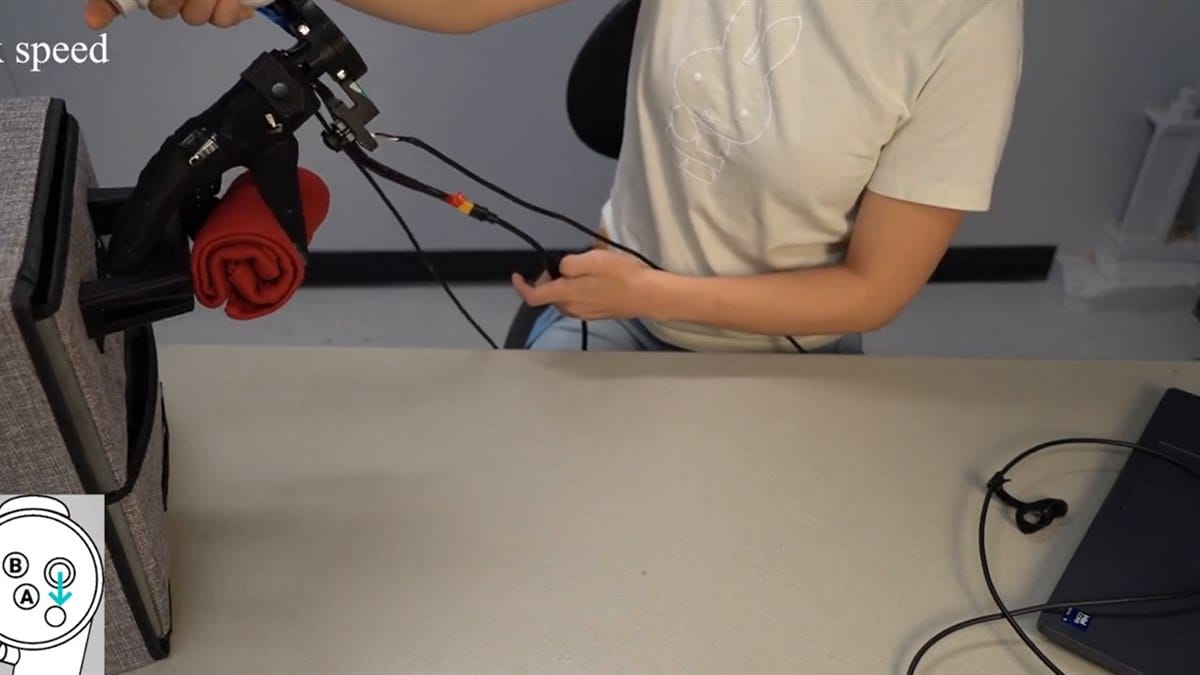
TL;DR: DexPort lets people collect dexterous robot demonstrations without carrying a robot arm. Its portable controller uses the same robotic hand later deployed on the machine, recording executable finger commands while the operator moves its wrist. Researchers collected more than 2,500 demonstrations across homes, offices and laboratories, then trained robots for picking, screwing, drawer handling and bimanual barcode scanning tasks. Read more →
Cameras Catch A Failing Motor
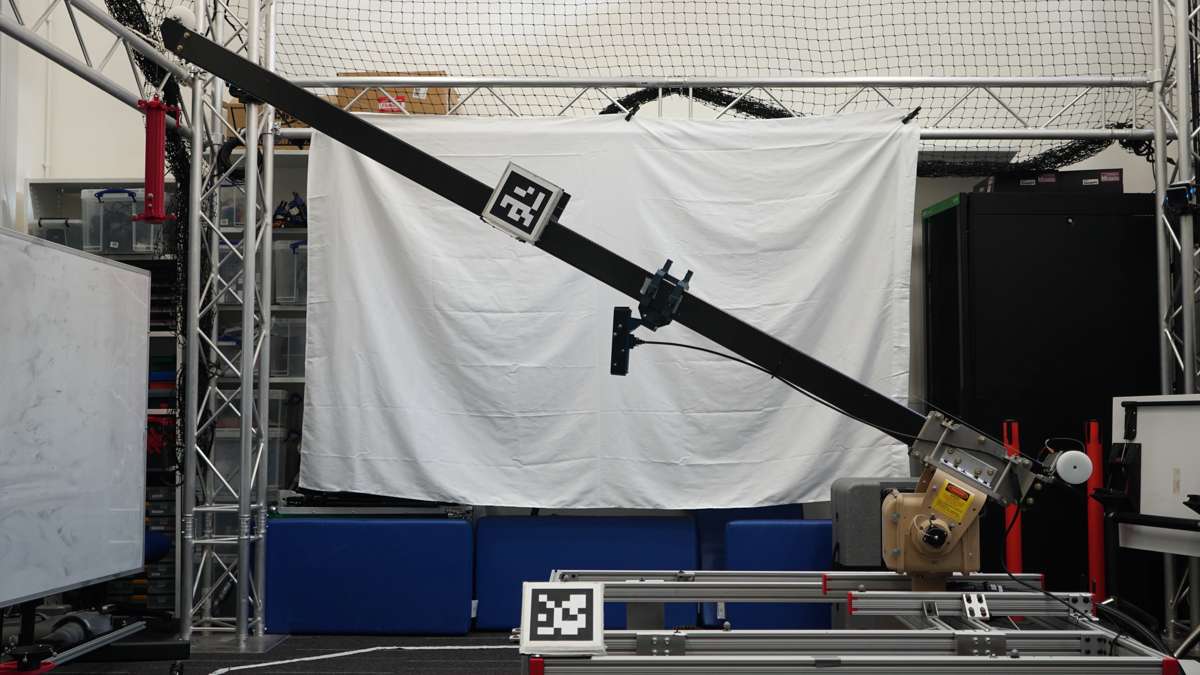
TL;DR: Researchers at Imperial College London developed AWARE to spot robotic crane faults using external cameras rather than onboard sensor access. A learned world model compares expected movement with observed behavior to flag collisions and motor degradation. Tests covered 240 real crane trajectories, with the paper reporting 88 percent accuracy in locating degraded motors under the evaluated camera-based monitoring conditions. Read more →
A Robot Builds Its Double
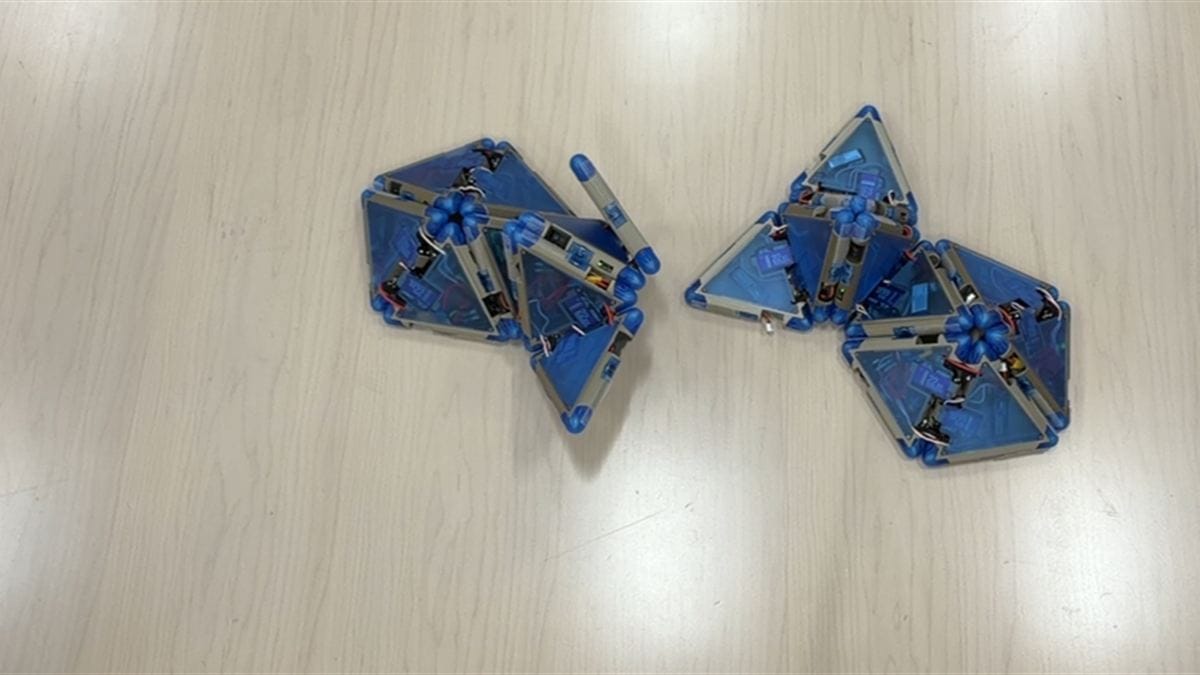
TL;DR: Columbia University researchers demonstrated modular robots assembling physical copies of themselves from spare magnetic modules. A three-module trilobite and five-module seal each collected parts, formed a matching body and separated from the offspring while retaining their original components. Humans teleoperated the process, and each morphology has one successful demonstration, so autonomous reproduction and repeated generations remain untested. Read more →
TOGETHER WITH US
AI Secret Media Group is the world’s #1 AI & Tech Newsletter Group, reaching over 2 million leaders across the global innovation ecosystem, from OpenAI, Anthropic, Google, and Microsoft to top AI labs, VCs, and fast-growing startups.
We've helped promote over 500 Tech Brands. Will yours be the next?
Email our co-founder Mark directly at mark@aisecret.us if the button fails.