
🤖 Soccer Starts Teaching Itself

Good Morning, Roboticists!
Simulation used to be rehearsal. Now it is where robots spend entire lifetimes before breakfast.
Soccer Starts Teaching Itself
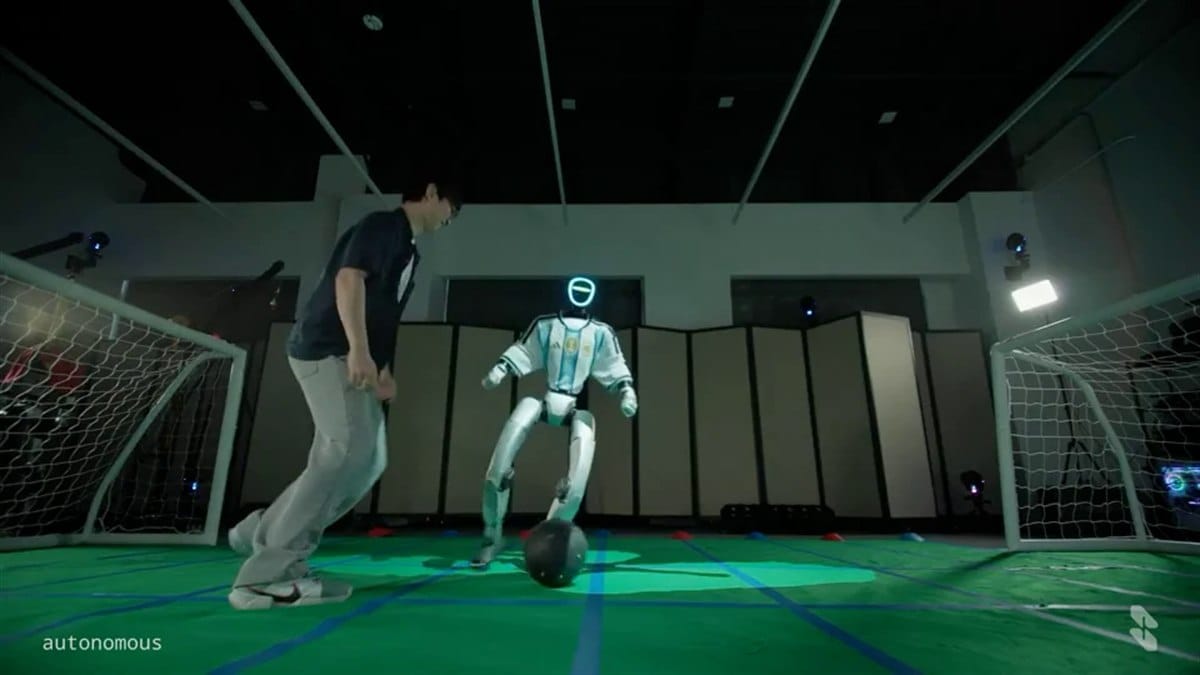
TL;DR: Skild AI says its S1 humanoid learned soccer after accumulating more than 140 years of simulated self-play in NVIDIA Isaac Sim. Following human-referenced dribbling and kicking drills, the model competed against successive versions of itself using goals as the only self-play reward. Skild reports real-world play against people and early four-robot passing, with fuller transfer details still pending. Read more →
A Newcomer Skips The Script
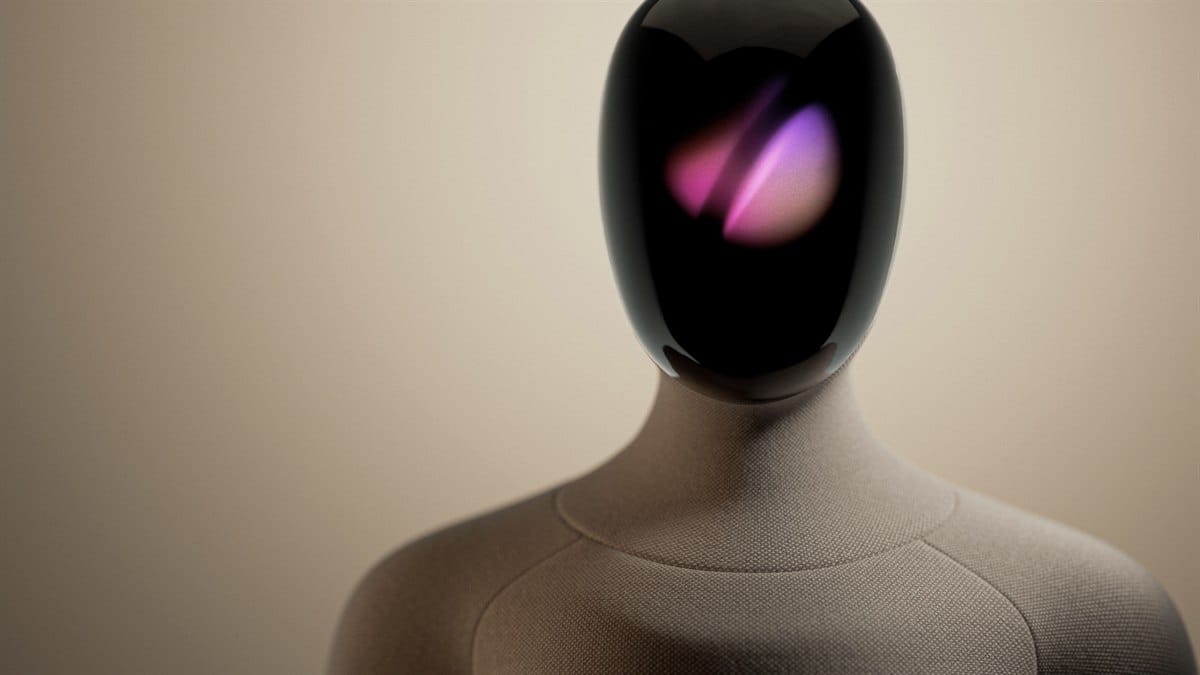
TL;DR: European startup Vesoma emerged from stealth with a first humanoid, Vesoma 1, now being built after six months of prototype development. The company has more than 60 people in Munich and Limassol, led by Synapticon co-founder Nikolai Ensslen and former Google DeepMind director Martin Riedmiller. Its published product images remain design visualizations, while manipulation performance and delivery plans are unannounced. Read more →
The Body Joins The Lesson
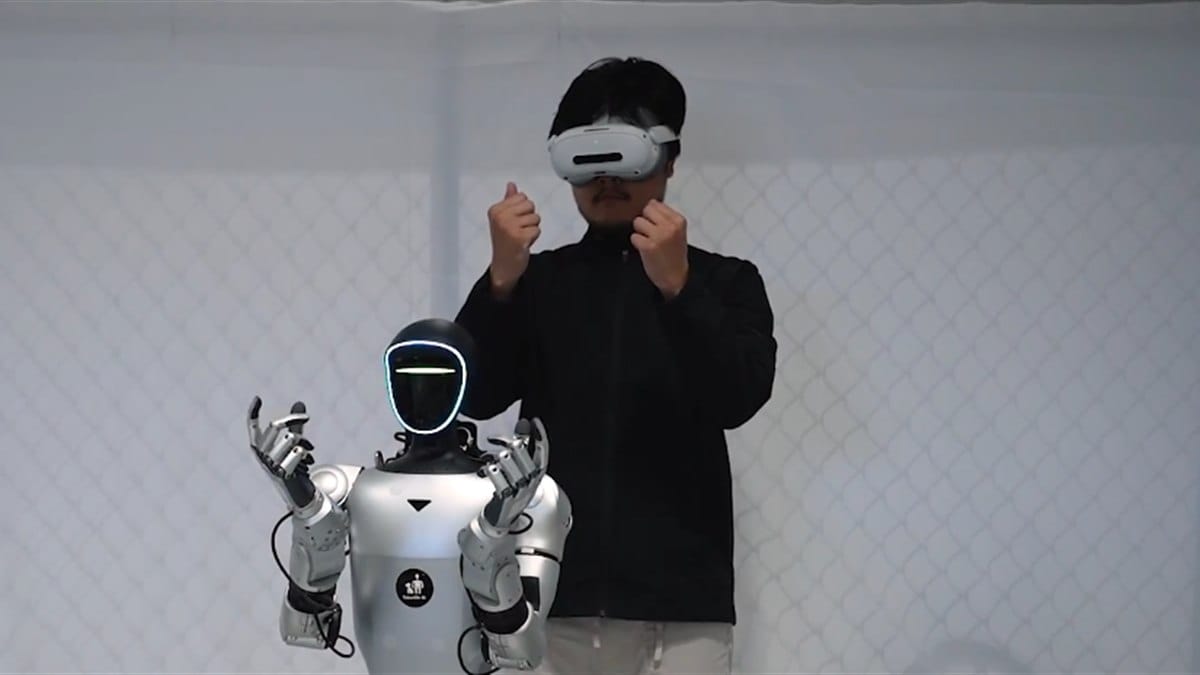
TL;DR: Toborlife AI launched a full-body teleoperation system for Unitree's G1 Edu humanoid, pairing a PICO VR headset with real-time control of the robot's arms, legs, torso, and optional hands. The U.S.-based stack records demonstrations at finger level in training-ready form and keeps the data on customer hardware, targeting labs, universities, and developers building task-specific models. Read more →
One Charge, A Marathon
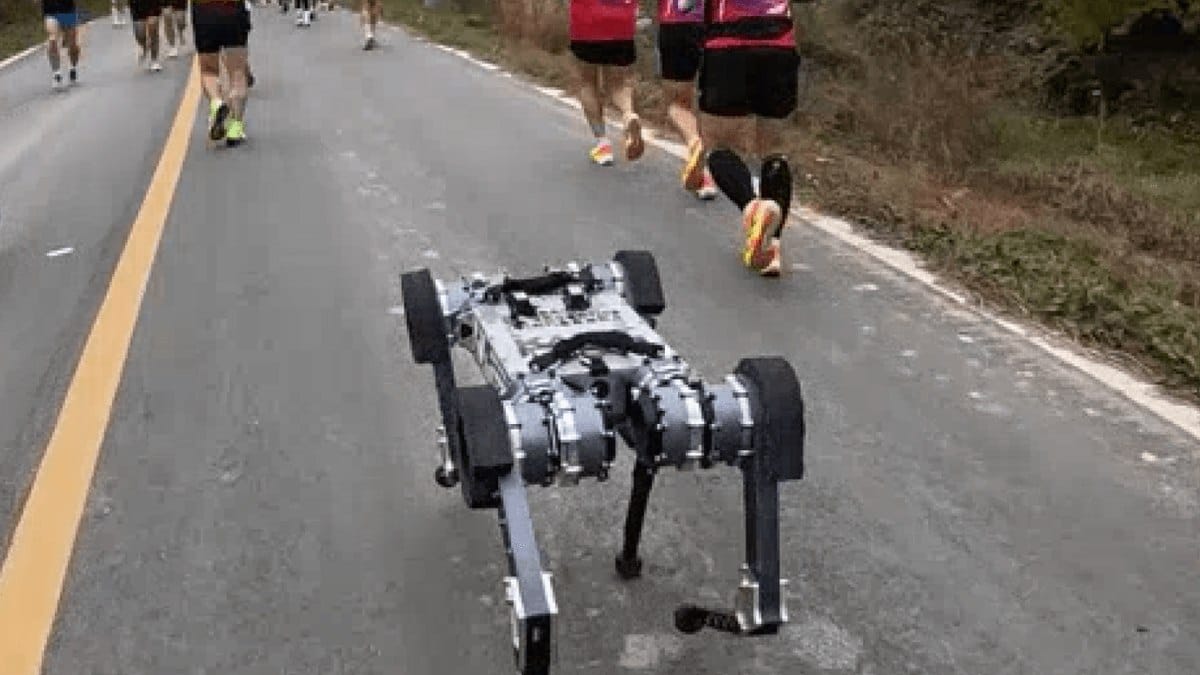
TL;DR: KAIST's RAIBO2 completed the 26.2-mile Sangju Marathon in South Korea on one battery charge, finishing in four hours, 19 minutes, and 52 seconds. The quadruped's design reduces losses in motors, electronics, gears, foot slip, and impacts, while downhill stretches recover energy. It still needed a human operator to steer because its onboard camera could not interpret the course. Read more →
Egypt Builds Its First Factory Robot
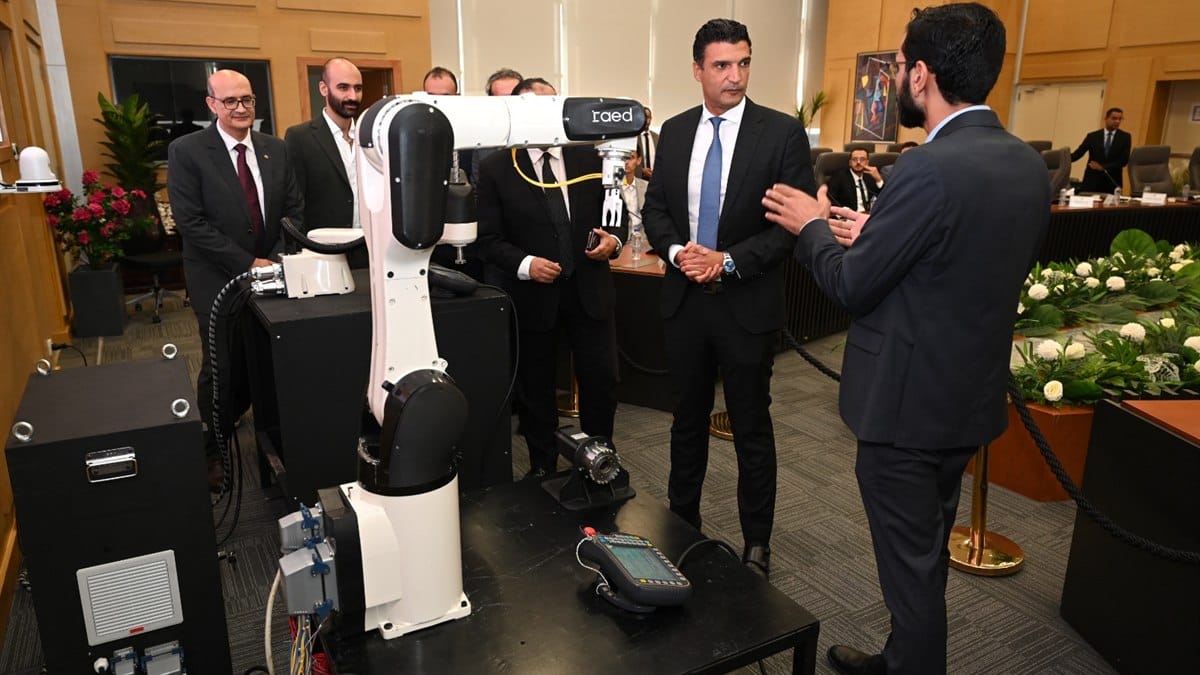
TL;DR: Egypt launched and handed over its first locally developed industrial robot, built by Raed Bots with the Industrial Modernization Center and Qubee for a real manufacturing application. Industry Minister Khaled Hashem attended the demonstration, while Qubee agreed to use robots in packaging machinery. Developers say local content is 80% today and aim for 90% after locally manufacturing the motor. Read more →
The Body Joins Navigation
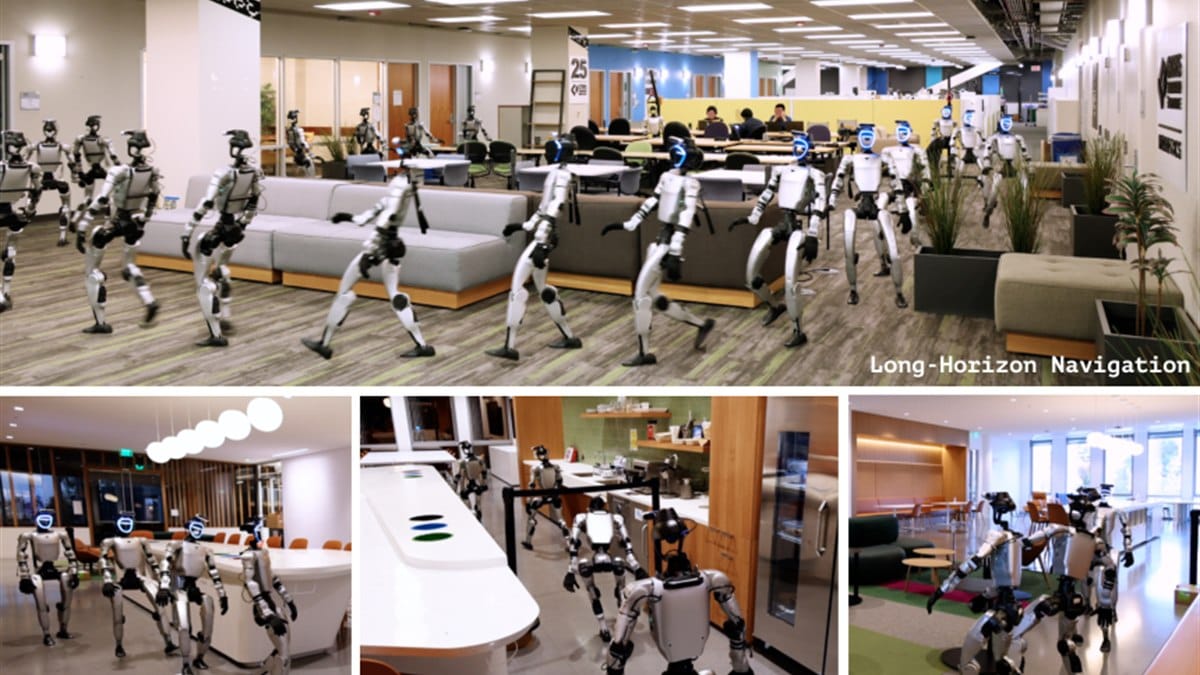
TL;DR: UC Berkeley and Princeton researchers introduced TANGO, a vision-language-action system that plans humanoid movement as full-body motion rather than a flat route. Trained only on 65,000 synthetic, verified trajectories, it directly predicts actions for 29 joints from language and camera views. On a Unitree G1, it navigated cluttered offices, reduced collisions, and transferred without real-world navigation training. Read more →
Tiny Machines Move The Heat
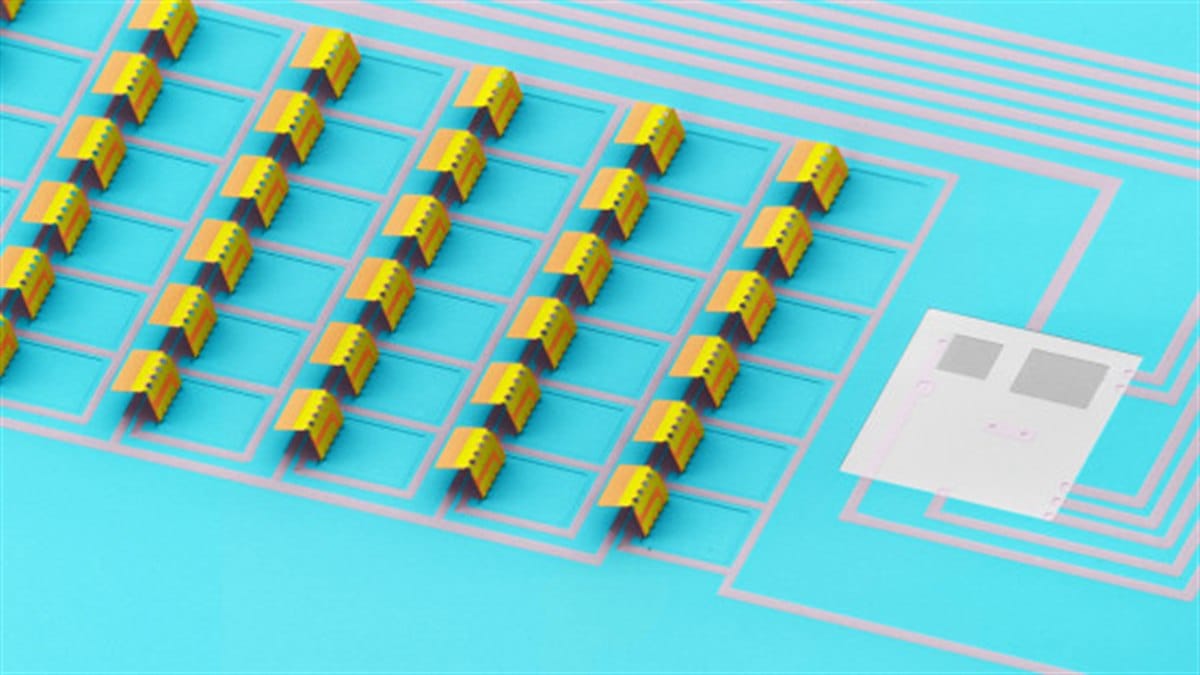
TL;DR: Cornell researchers built microscopic robots that sense temperature, communicate, and pump liquid together from hotter regions to colder ones or back again. The 54 hinged artificial cilia synchronize through paired sensing circuits, creating a feedback loop that changes their surroundings. Published in Nature Electronics, the work points toward future systems that could react to light, pH, or chemicals. Read more →
A Better Hop Lands Cheap
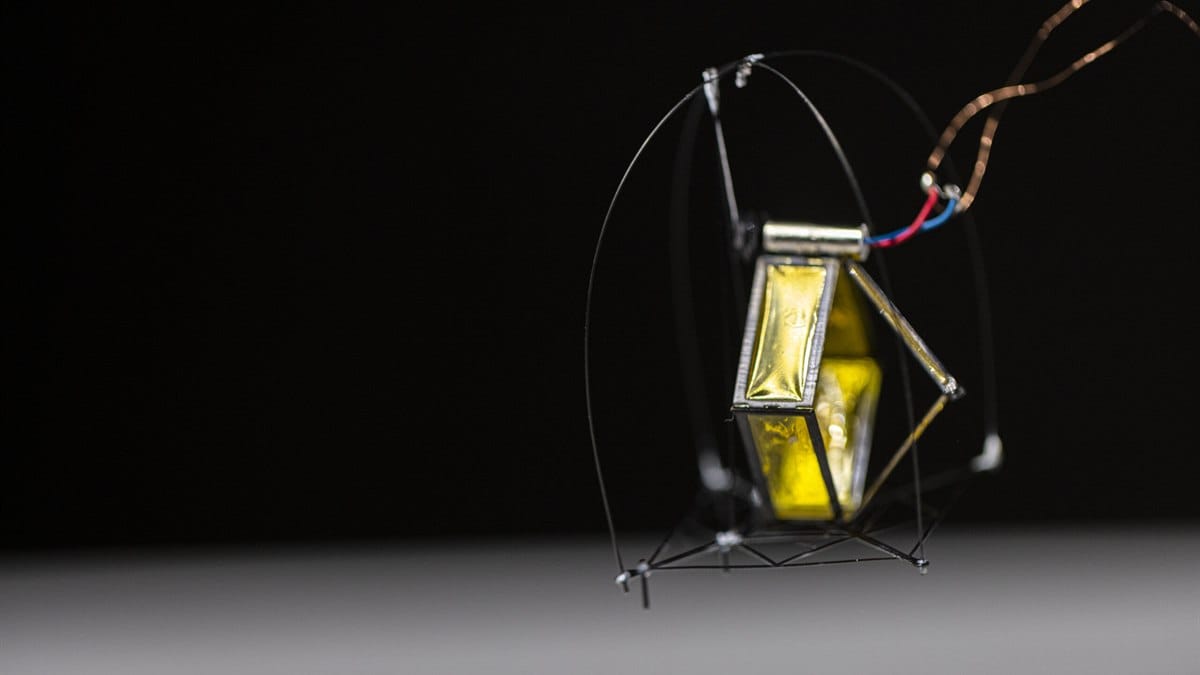
TL;DR: University of Washington engineers built DirectHop, a one-gram robot that clears a standard stair step and sets its jump height with one-centimeter accuracy. Instead of a spring, a tiny motor pulls a line through a three-legged mechanism, allowing repeated hops. The tethered prototype rights itself 90% of the time; onboard power, steering, and navigation remain future work. Read more →
The Robot Stack Opens Up
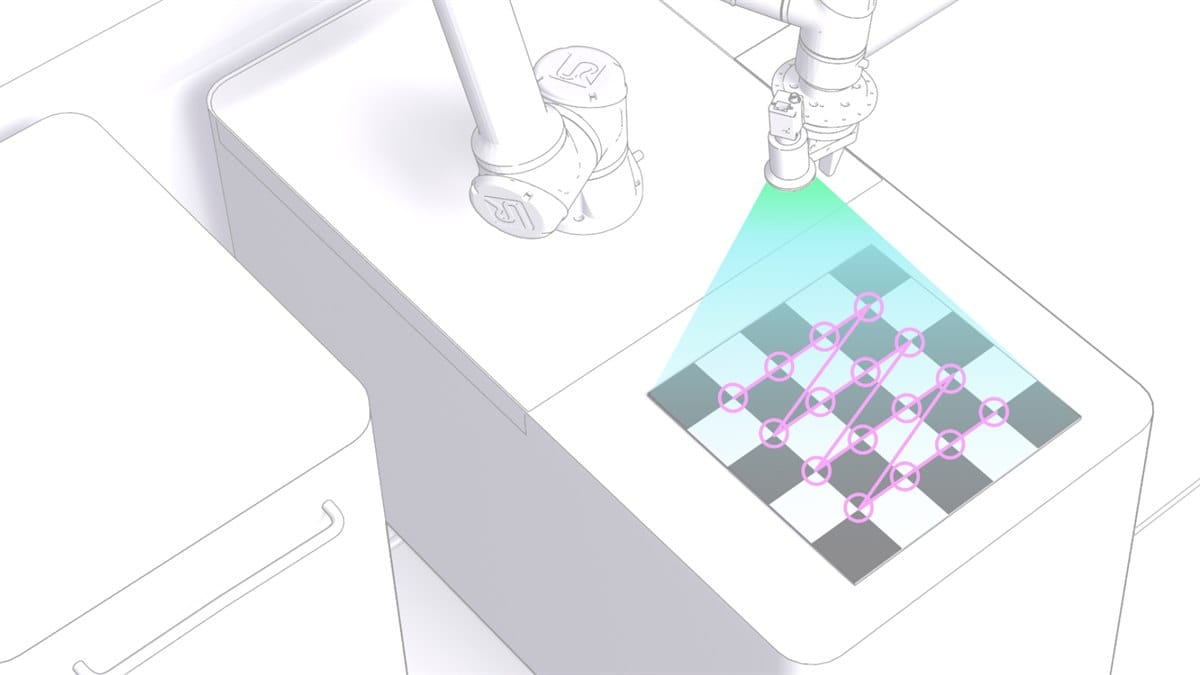
TL;DR: Google's Intrinsic open-sourced Core, a ROS-compatible set of industrial robotics tools that includes real-time, hardware-agnostic control, a digital twin, planning, perception, simulation, and drivers. Released at ROSCon in Toronto, it runs locally under Apache 2.0 and includes an open machine-tending reference design, giving developers reusable building blocks instead of rebuilding the underlying robotics stack from scratch each time. Read more →
The Sim Finally Grips Back
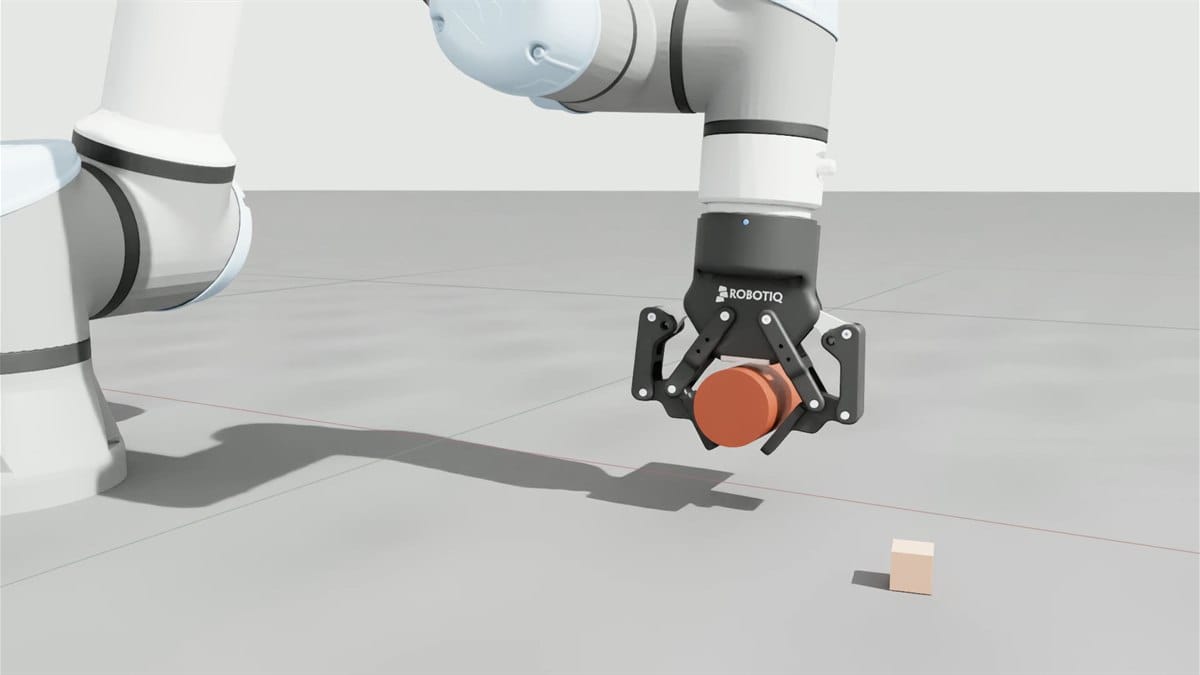
TL;DR: Robotiq released a maintained Isaac Sim asset for its 2F-85 adaptive gripper, tackling a simulation flaw that made the real mechanism bend or snap unrealistically. The new Newton version preserves the gripper's closed-loop, spring-driven behavior, while a PhysX option favors speed and stability. Robotiq published the assets and documentation as open-source developer tools for training and integration. Read more →
UNDERSTAND WHAT CHANGES AND WHY IT MATTERS
From breakthrough models to billion-dollar bets—we follow the technology, business, and people shaping AI. Get the free daily briefing in your inbox.
- AI Secret uncovers your daily edge in AI
- Bay Area Letters decodes AI, tech, and business from Silicon Valley
- Robotics Herald tracks how robots move from labs into daily life
- Marketing Secret breaks down real growth and go-to-market playbooks
- The Hardwire explores hardware, consumer tech, and what’s coming next
TOGETHER WITH US
AI Secret Media Group is the world’s #1 AI & Tech Newsletter Group, reaching over 2 million leaders across the global innovation ecosystem, from OpenAI, Anthropic, Google, and Microsoft to top AI labs, VCs, and fast-growing startups.
We've helped promote over 500 Tech Brands. Will yours be the next?
Email our co-founder Mark directly at mark@aisecret.us if the button fails.